LOST SONG
a review by SapphicNohrian
a review by SapphicNohrian
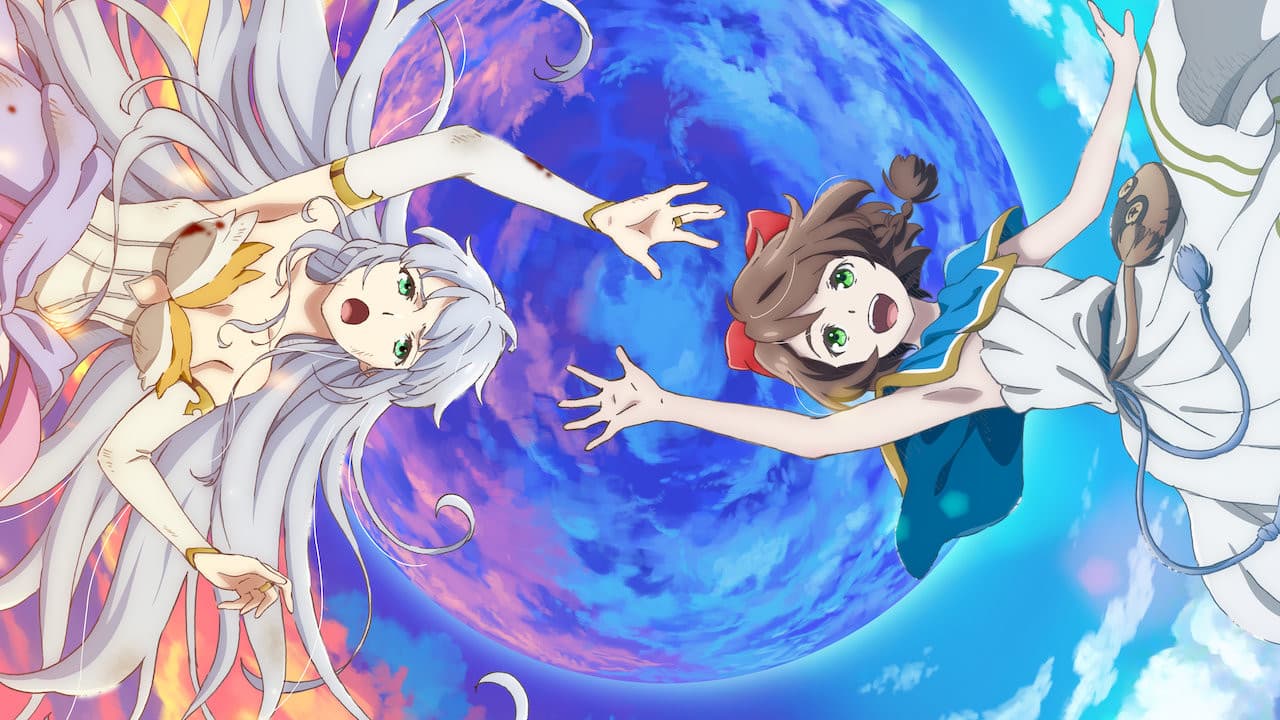
The Premise: In a world where songs have magic power and everyone has intelligence rivaling a particularly clever farm animal, a girl who loves singing goes on a journey to a generic fantasy capital while some Very Bad Men try to stab her in her thin, grade-school neck. Meanwhile a princess engaged to a warmongering slimeball falls in love with an Aryan Prince Charming archetype for reasons that the writers never bothered to establish.
The Positive Side: ...The music's nice. "The Song of Mortality, " in particular is a bop.
The Negative Side: Lost Song is so inept in so many aspects that it's hard to know where to start picking it apart.
If you have played any JRPG made after 1988, you have seen characters deeper than the cast of Lost Song. Everyone has one to two traits apiece—the science-obsessed nerd, the courageous knight, the scheming noble, the demure, hyper-feminine jerk-off fodder. The protagonist, Rin, is probably the least terrible character. She loves singing a lot, but she doesn't like people getting hurt because of her singing. This happens almost constantly, because the writers will bend narrative logic and suspension of disbelief into pretzels if it means they can shoehorn in some more melodramatic tear-wringing. If this bitch hummed "Twinkle, Twinkle, Little Star," five local villages would be sacked and somebody's dog would spontaneously combust. This conflict between Rin's desire to sing and her desire to not watch everyone around her get murdered with swords very nearly constitutes psychological depth. It's not much, but it's an almost okay imitation of an actual character. The only time the writers attempt to create a character arc, we get, "My boyfriend's reincarnation friend-zoned me, so now I'm going to destroy the entire fucking planet," so maybe it's for the best that most of the cast remains static.
A cast already limp in concept is hurt further by bad character designs and worse dialogue. Pony Goodlight (yes, really) is probably the biggest eyesore of the cast. Witness her turquoise hair, orange collar, purple sleeves and pink skirt over some kind of Frakenstein-combination of athletic shorts and a French maid fetish outfit. Pony flaunts breasts bared by the massive hole carved into her top and animated by someone who has never seen an actual breast. She looks like she failed in her career as a circus clown and became a stripper out of necessity. This is how much of the cast are designed. Spin the color wheel like you're playing roulette and cut a titty-window for any woman out of puberty.
The dialogue comes in several flavors. The first is repeating things that have already been said, sometimes in the previous episode, sometimes in the last two minutes, sometimes both. Hope you're looking forwards to hearing about how important is it that Rin sings and how happy that makes everyone around her, because nobody is going to shut up about that, ever. The show also likes having characters say things that are contradicted by things they just said, say things that are obvious, say things that are obviously wrong and deliver lines too corny to exist outside of a children's show. This clearly isn't a children's show, what with all the titties and blood and stabbing, so I can only assume the writers were never informed what they were actually working on.
Lost Song’s plot is not as obviously and immediately terrible as its other aspects. There are two storylines that are set up at the beginning of the show. The first is Rin's journey. The second follows the plight of Finnis, her love interest Henry, and her douchebag fiancee's ongoing efforts to turn her into a walking nuclear weapons allegory. Neither of these are particularly gripping, as both suffer from the underdeveloped cast, and Rin’s journey suffers further from being as episodic and meandering as a first time Dungeons and Dragons campaign, however, this effort to juggle two plots at once is probably the closest thing Lost Song displays to artistic ambition, and for this I will give some reserved applause.
Then Episode 8 hits, and introduces time travel to Lost Song, and the plot coherence is not so much broken as it is carpet-bombed into smoldering ashes. Time-travel is a difficult plot element for even great writers to manage, and great writers did not make Lost Song. Skirting around spoilers is difficult here, but I will do my very best to thread that needle. A character is trapped in a time loop (please, don’t ask me how or why) in which they repeatedly suffer and grow distant from the people they care about. Madoka Magica used this same idea, however, Madoka Magica took care to demonstrate how the trapped character strove to break the cycle, was unable to and perpetually failed. Lost Song seems to have forgotten that part. If you were to ask me why this character, who is gifted both with incredibly powerful magical abilities and detailed knowledge of how her mistakes led to the tragedy of the first timeline, was not able to secure a happy conclusion in the second timeline, I would meet you with a blank stare. The cycle is not broken by the character herself, but by an absolutely astonishing Deus Ex Machina in which magic is used in a way we have never seen it used before and that was never even hinted as being possible, resulting in the creation of a new human being from a song itself, this new person being the one to break the cycle. The story ends with a last grab for pathos, effectively killing off one character and pretending to kill off another (who is saved via the power of cliches), which might have worked better if any of the characters were worth giving a shit about to begin with.
Final Verdict: Lost Song is a trainwreck, a sprawling, smoking heap of artistic decisions that are either lazy or boldly disastrous. There’s nothing offensive about it (aside from, perhaps, the idea that it was worthy of being professionally produced and released to a public audience), and if you’re looking for a show to point at and laugh, it’s an excellent pick. Just don’t come here expecting genuine artistic merit. In that regard, Lost Song is one sour note after another.
35.5 out of 42 users liked this review
