JoJo's Bizarre Adventure (ジ ョ ジ ョ の 奇妙 な 冒 険 Jojo no kimyō na bōken) is a manga written and drawn by Hirohiko Araki, published in Japan since 1987 in the Shōnen Weekly Shōnen Jump magazine by the Shūeisha publishing house and since 2005 in the monthly seinen Ultra Jump.
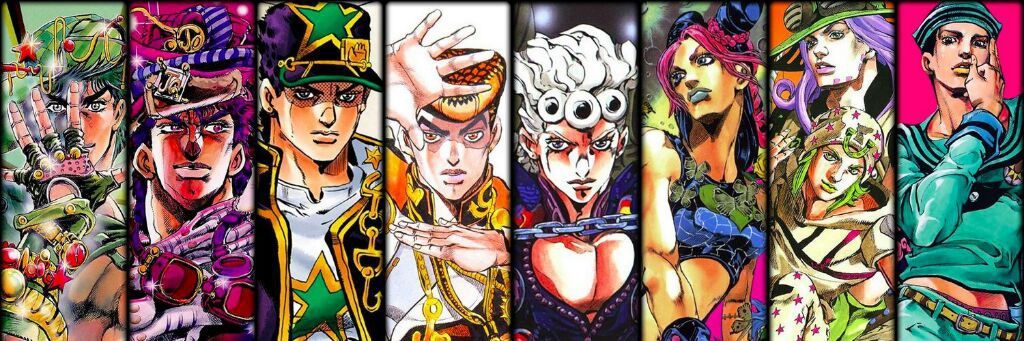
JoJo's Bizarre Adventure tells the story of Jonathan Joestar, for friends JoJo, and his descendants, starting with Phantom Blood, the first series set in 1886 and gradually reaching the present day through the other series (Battle Tendency, Stardust Crusaders, etc…). Even if each series is independent, readable and enjoyable even if you have skipped the others, there are many points in common between them, in particular the presence from the third season of the Stands, semi-physical manifestations of the inner strength of the owners, often endowed with strange powers not limited simply to mild upgrades of power and speed, but to completely new powers capable of continually changing the rules of many encounters, during which cunning counts much more than brute strength...
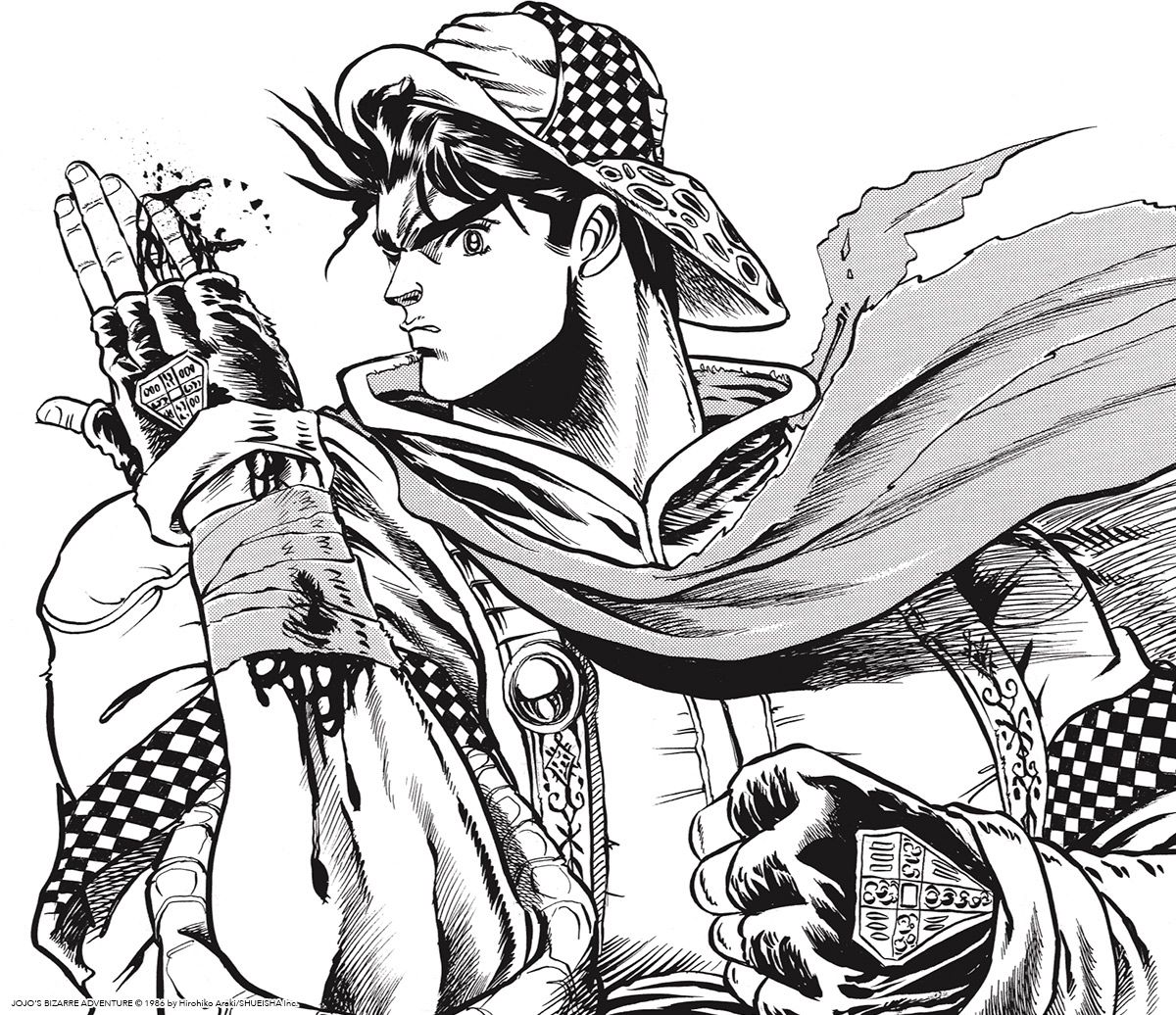
Phantom Blood in particular, starts as a normal series that tells the life of a young scion of a noble English family, the friendship with his dog, the first loves, the relationship with his father and friends, in short, normal things. His comfortable life is turned upside down when, due to a tragic misunderstanding, his father decides to welcome as a son a boy named Dio Brando, a cunning and cruel criminal determined to reclaim for himself all the inheritance of Jonathan's father, trying to bring him to madness, and that's just for starters. In the first of the 3 volumes of Phantom Blood, the author carves out a lot of space to present his protagonists, and already in the middle of the book you have the feeling of knowing them well, like old friends. The chivalry and goodness of heart of Jonathan is counterbalanced by the cold and calculated cruelty of Dio.
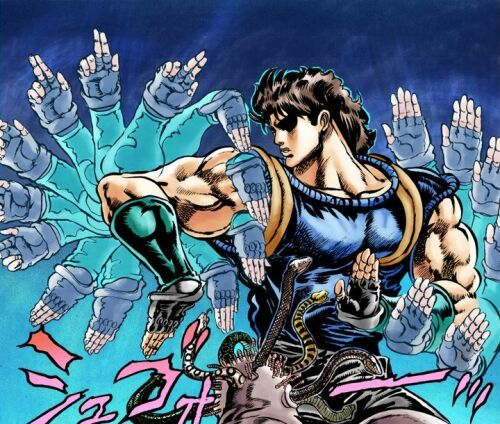
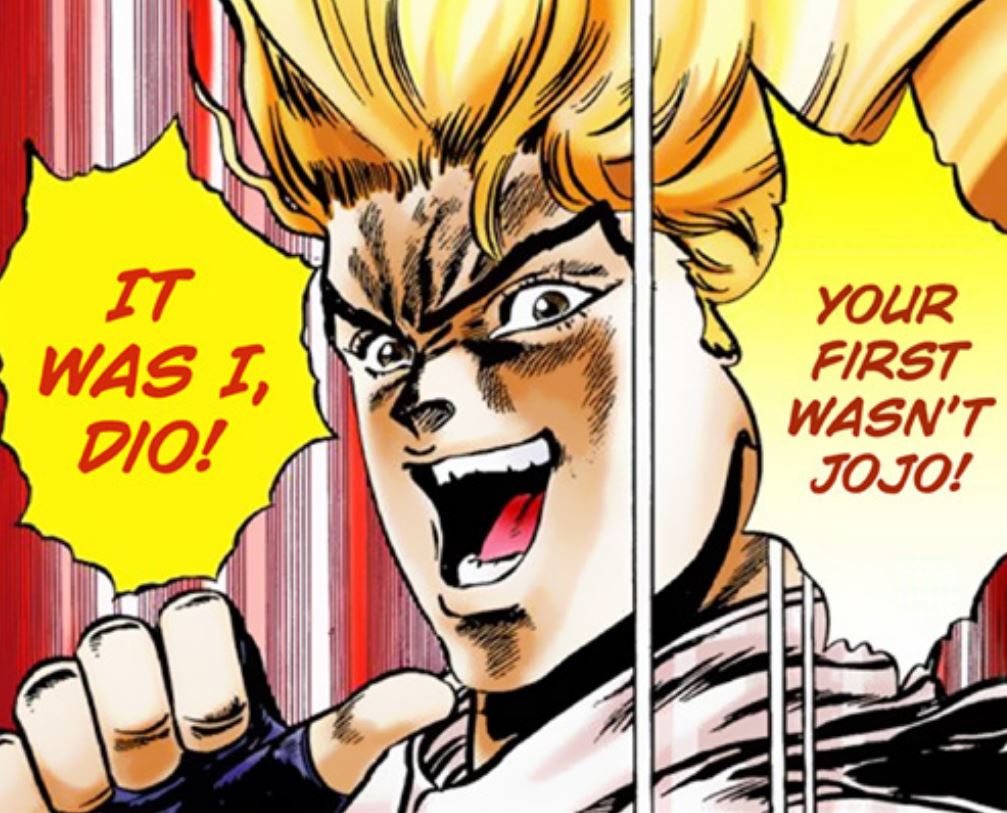
The plot is really interesting, initially it develops on two fronts which then gradually end up coinciding. On the one hand, there is the mystery of the stone mask capable of giving superhuman powers. On the other hand, the relationship of hatred and rivalry that will be created between the two main characters, Jonathan Joestar and Dio Brando. The latter is undoubtedly the real engine of the story. If the main character and the rest of the main characters were done well overall, Dio was divinely realized. He is characterized in depth from the first chapters. His intentions, his ways, his intelligence are clear in the eyes of the reader in an unequivocal way. But Dio is not only this. If there was one thing that the author wanted to convey it was the deep hatred caused by his character and his deeds. And he did it perfectly. The protagonist-antagonist relationship is therefore developed very effectively and is certainly one of the pillars of the story. The horror component of this first part is also decidedly inspired, very suggestive. The historical setting has been worthily recreated and is full of interesting details. JoJo, however, is also an action manga and even on this level one cannot but speak well of it. Excellent combat scenes, extraordinary on a visual level and formidable on a conceptual level. The series will in fact be increasingly characterized by a strategic component in the clashes, which this first part had the merit of making its debut.
Dio is one of the characters that will recur more often as the series continues, but it is his youthful incarnation that is the most hateful. At the beginning of Phantom Blood in the end, he is just a kid traumatized by a difficult past, with all the credentials to find redemption and become a romantic hero. If this were a Dickens novel, once he welcomed Joestar home he would find in Jonathan a spoiled and petty rival, who would do anything to get rid of the usurper of his little golden kingdom. The most disturbing aspect of his character is precisely the refusal of moral redemption, even when he comes face to face with the goodness of his stepbrother, he rejects his humanity, becoming a monster long before the activation of the power of his mask.
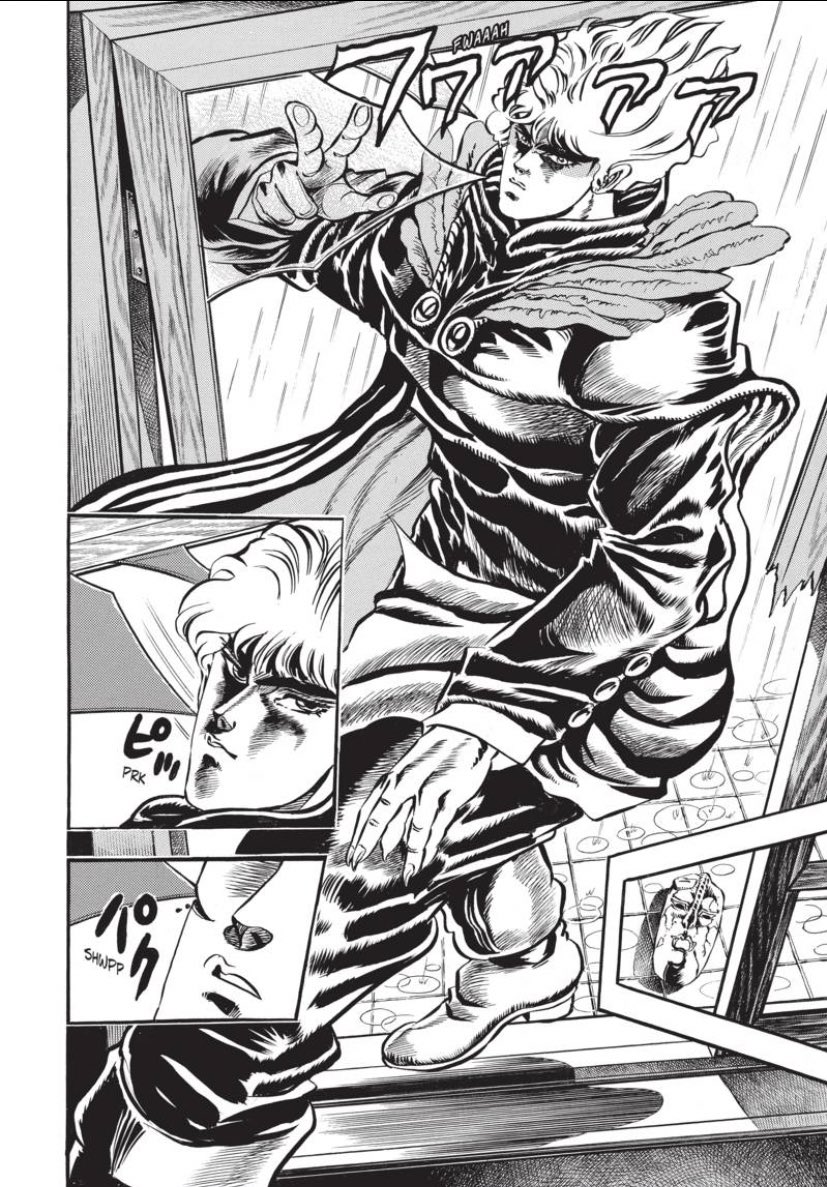
The stroke is characterized by a "statuesque dynamism" in which characters in almost plastic poses still seem to move with the use of a "moving background" or with few kinetic lines. The style is still immature, but the fighting sequences are clear, and it can even be perceived that each character has his own peculiar movements that belong only to him. A feast for the eyes made especially for those who love to dwell on the drawings instead of scrolling through the pages quickly.
In conclusion, I think this first part of JoJo is very valid and original, thanks to an excellent story, great characters and a fast pace. Anyone who wants to start reading JoJo should start from this series, not so much because the others would otherwise be incomprehensible, but because it is in itself an excellent story, satisfying and interesting even today