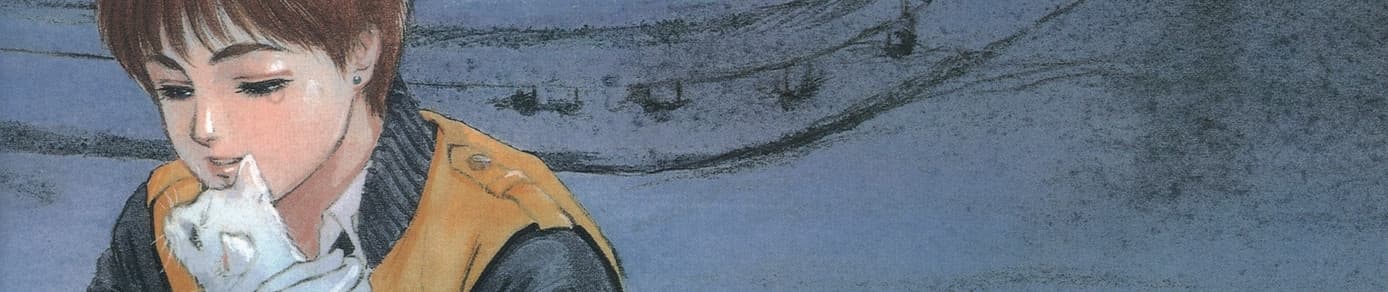

When I first watched Patlabor 2, I didn't really say much about it, I was actually kind of overwhelmed by the whole deal upon first watch. As my 2nd Mamoru Oshii movie after Patlabor 1, I wasn't really used to the Oshii’s style either but if there was 1 thing I can say is that I loved it, the overtly political nature of it stuck with me. I even looked into post WW2 US-Japan Relations the movie mentioned, and before my rewatch of the movie I went into more media that had this as a topic.
Patlabor 2 is an audio visual treat, from the animation to the sound design to the pacing of the story itself its extremely engaging from start to finish. It's well executed on every single front even the typical Oshii movie thing of having long sequences of philosophy being spewed out of all the Oshii. It's the most eloquent and there’s a layer of subtlety to it all. The best part is that the movie never seems to forget the characters behind the dialogue. And while not a comedy like the other Patlabor media I have watched namely the first movie and the OVA, its has its comedic moments as well, which feel very natural and sometimes its just frames of Goto, Arakawa and Shinobu staring at a screen while melodramatic travel video music plays. The overall movie is tonally serious but the small humorous aspects like these just sell the whole thing really well.

The animations are also excellent, a clear step up from Patlabor 1, there’s a reason why the section near the start of the movie with Noa operating the Labor is iconic.
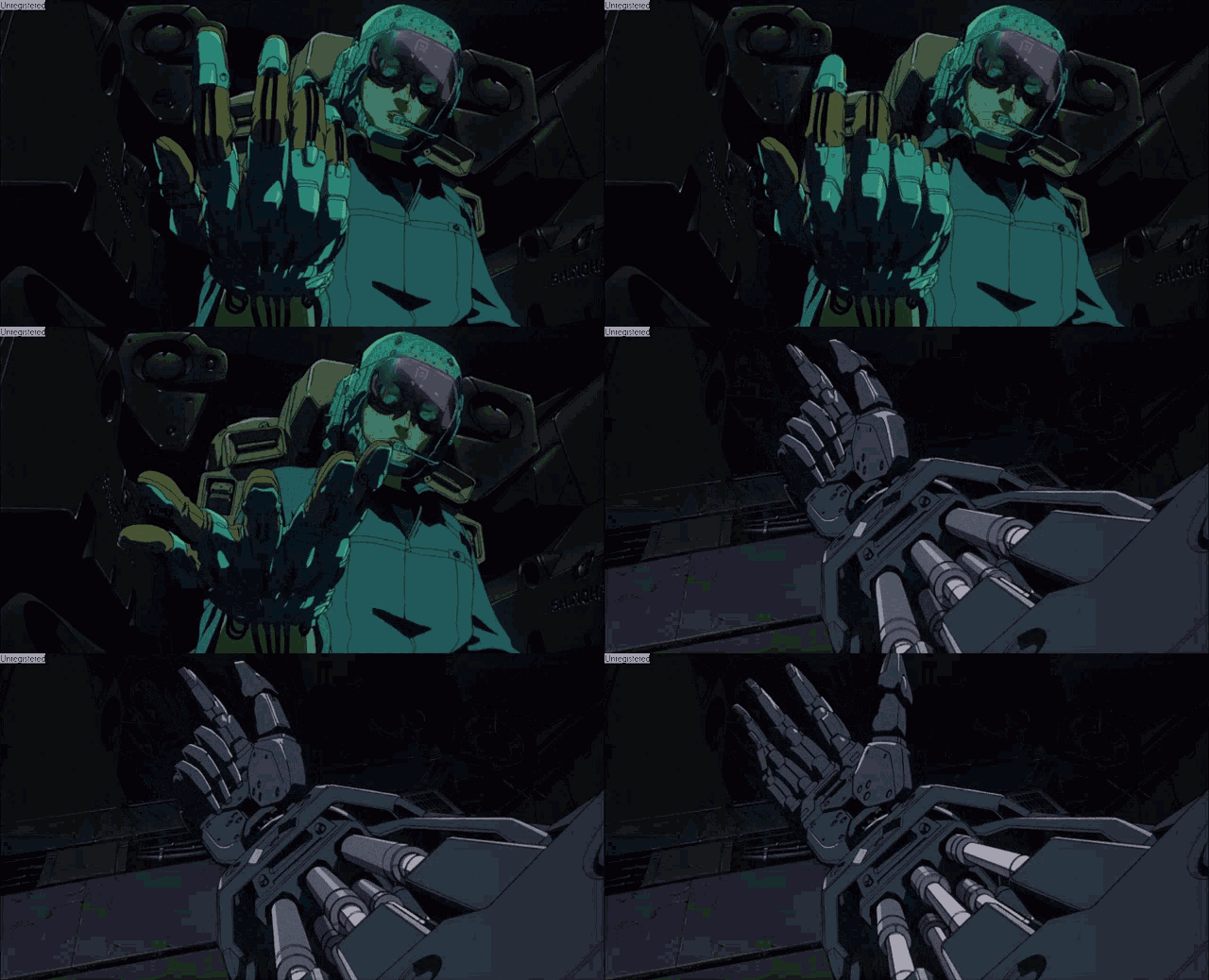
From the Jet’s, the labors, to even the blimps are very well animated and designed, the character animation is also excellent, together with the shot selection, I was consistently engrossed in it visually. The way lights and harsh shadows are used during dialogue scenes and often the fisheye effect on the characters keep the dialogue which is also accompanied by wider shots interesting. And All of this is brought together by the excellent soundtrack by Kenji Kawai. The soundtrack matches the pace of the movie perfectly, as the dense and packed plot plays out in the background.
The movie is also overtly political.
__
The obsession with Peace__
In Patlabor 2 we see the main antagonist Tsuge at the start, injured after having his whole squad killed in a guerilla attack, he was ordered not to engage the enemy but to flee, the orders clearly given by someone who had no idea of the ground level situation, and someone who just wanted to keep the ideal of not engaging on their own.
We see this time and time again in the movie, the ground level people are consistently kept in the black and given orders that just don't suit the reality because of the obsession with maintaining public peace. When a phantom plane was used to stage an illusory attack on Tokyo, the government didn't want to say that their system was compromised that led them to be vulnerable for a situation like this. Instead they made sure to ground all the Squadrons at Misawa control who were managing the airspace and arrested their base commander. What could have easily been handled with open communication snowballed into the possibility of a civil war. The Misawa air force base organised a sit in protest followed by numerous SDF forces joining them. And when they used the police to control the situation they even blamed the police for exacerbating the situation. In all of this the Government refused to take responsibility.

Turning a situation from bad to worse as they refuse to listen to the ground level due to their optimism in the peace. The movie even criticises this peace as fake, the whole of the peace is built upon reaping the benefits from foreign wars and as we see by Tsuge’s actions this peace is also a very fragile one. They rolled out parts of the army along with the police to quell the protests and keep the peace as Arakawa said in the movie itself “A State of War in all but Name”.

What's funny in all of this is that the war staged by Tsuge is also not really one, it's meant to shake the complacency everyone is used to,to show them the reality of how it works but it's hardly real itself. He uses confusion to promote his goals.
And in the midst of this, The Japanese Air Defence Force Marked Helicopters attack communication centres and bridges, and in this mess the US decides that it's time they should intervene in the situation.
The SDF aren't supposed to be used for anything other than the name suggests Self Defence and in the end Japan is left in a vulnerable position due to infighting which the US is ready to exploit.
We see just how connected Japan's military is to the US as well. Japan does not intervene in foreign conflicts themselves as we see in the start of the movie with Tsuges squad ordered not to engage, but it does seem to help by deployment.
Tsuge probably won already when martial law started, but maybe there's more to it,when in the end Tsuge replies that he wanted to see the future of the city, what did he mean, his impact on the city, or just how people return to their normal lives?
As I understand the movie really supports clear communication both internationally, and nationally between the people on the ground and at the top. It really wants to bring people out of the facade that is the current peace. But I don't believe it supports the creation of a war like state, cause it's the confusion that created the state in the first place. If anything it's pushing people to be more informed. It could be seen as nationalistic somewhat, but I feel that with its major critics of the prosperity brought along by war, it's anything but.