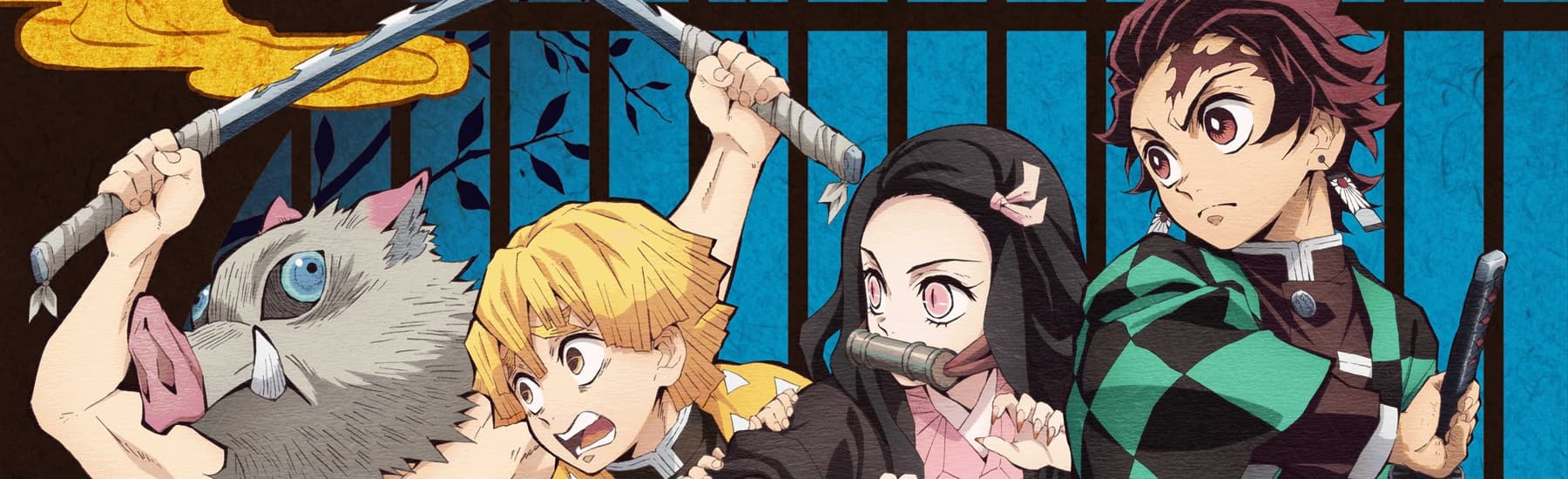
Just going to focus on my critiques of the writing for the show and skip most of the controversy regarding how many consider the series to have gained a considerable marketing boost through the anime. While this isn't untrue, I find the degree to which people tell the story is often exaggerated. For example, the claim that the manga sales were flopping before the advent of the show.
Starting from the beginning, one of my critiques of the initial Demon Slayer episodes is how quickly the main character's family is killed and his sister turns into a Demon. We get little insight into their relationship beyond the fact that they are siblings, and the family lacks much characterization.
The swift tragedy that befalls the Kamado family comes off more as shock-value horror than a genuinely emotional impact. Presenting tragedy without a foundation of character development and context can feel less impactful and may even come across as emotionally manipulative or sensationalized.
Understanding the family dynamic, especially with Nezuko, is crucial. Her transformation into a Demon would hit harder with more complexities and layers to their bond. Learning about Nezuko's personality and the dynamic between the siblings would contribute to a much richer understanding of their connection, heightening the tragedy when it eventually strikes.
The issue with Nezuko's character is significant. Her current status in the narrative makes it challenging to weave character growth into a mentally regressed character. From a marketing perspective, it reduces her character to that of a toy rather than a dynamic, changing character in the narrative.
Demon Slayer often feels rushed, not taking the time to build things up and executing emotional impacts that haven't been earned. The progression doesn't match up with what is being presented.
A scene that exemplifies this issue involves Tanjiro's training with Urokodaki. The revelation that two years have passed is meant to evoke emotion, but it falls short due to the limited episodes to communicate the breadth of time and challenges Tanjiro has faced. Visually, the perceived time seems short, and the story seems to want to tell rather than show the characters' emotions.
A remedy for this could be visibly aging Tanjiro and incorporating scars from the early training stages. This visual change would enhance the disparity between Tanjiro and Nezuko, emphasizing Tanjiro's growth and Nezuko's static, child form.
Timeskips can be effective tools, but authors need to ensure the perceived brevity of time from the audience's perspective doesn't interfere with feeling the full weight and impact of the time that has passed from the character's perspective.
Animation-wise, Ufotable's style of blending 2D animation on top of digital 3D environments creates a sleek appearance, with visually gorgeous characters. While the integration of 3D is mostly effective, there are instances where it seems excessive or superfluous, detracting from the overall experience.
In conclusion, while the animation is appealing, the story and writing do not effectively capitalize on the premise of the characters, at times underscoring the weight in ways that are quite incensing.
60 out of 81 users liked this review