
Sousou no Frieren: The Dreamy Adaptation
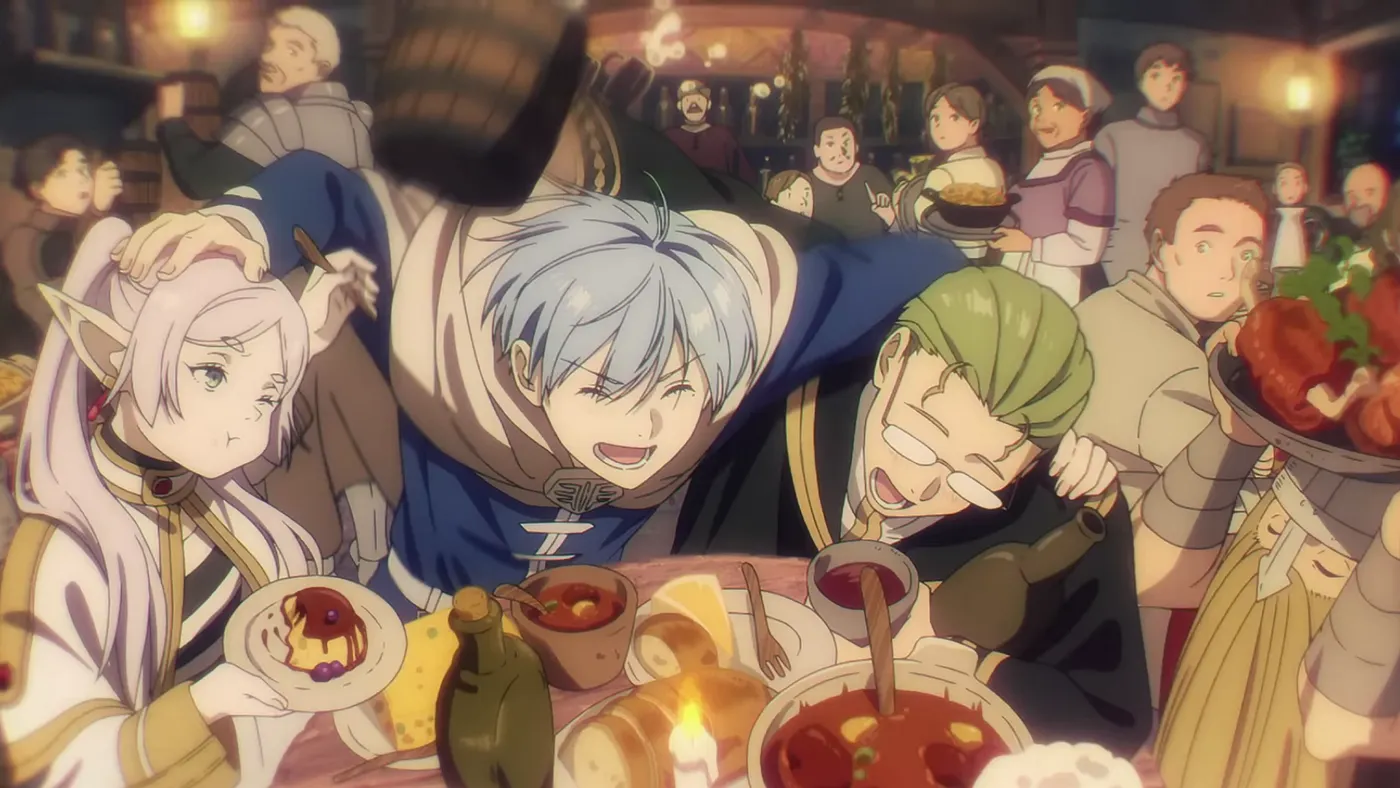
After just finishing his directorial debut in one of the best anime airing just a year before, Keiichirou Saitou (斎藤圭一郎) takes on another challenge as a director of none other than an award-winning manga title that is loved by many. Holding hands with many great talents across the industry and MADHOUSE as the home production, he answered the earlier question.
and the title is Sousou no Frieren, Frieren: Beyond Journey’s End.
Sousou no Frieren (葬送のフリーレン), is a manga written by Kanehito Yamada (山田鐘人) and illustrated by Tsukasa Abe (アベツカサ). Serialized in Shougakukan’s shounen magazine Weekly Shounen Sunday since April 2020, Sousou no Frieren notably won the 14th Manga Taishō and the New Creator Prize of the 25th annual Tezuka Osamu Cultural Prize in 2021 and the 69th Shogakukan Manga Award in 2024.
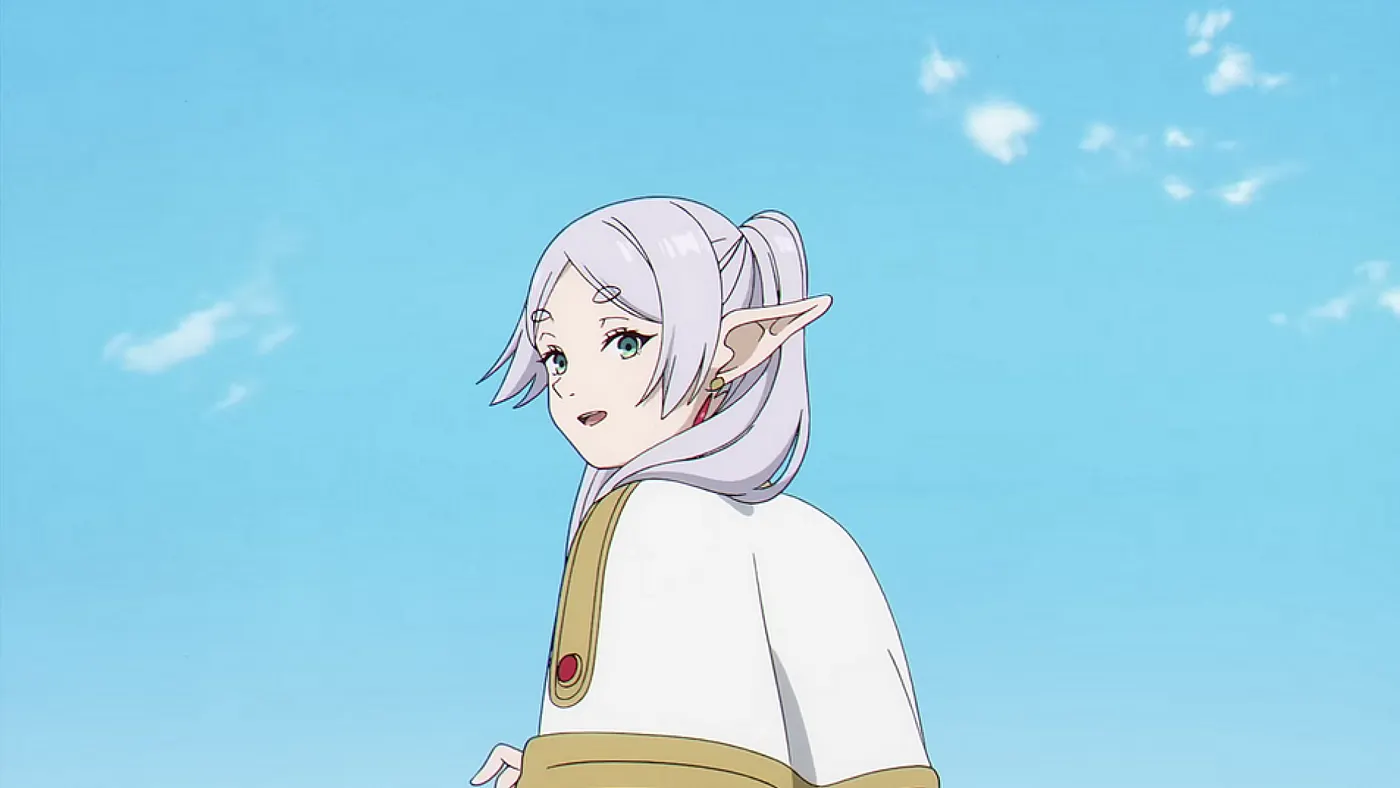
As the title implies, Sousou no Frieren centered around an elf called Frieren. Following her journey and her party after defeating the demon lord. While this sounds like your very typical JRPG setting which has a hero party defeating the demon lord you can find practically everywhere nowadays, Sousou no Frieren approaches this typical troupe with interesting perspectives. One is the story starts only AFTER the demon lord is defeated, and another one is as an individual elf. In a way, it’s not entirely wrong to say it felt like a JRPG with SayoAsa flavor in it.
Immaculate conversation of time
With the story revolves around an elf who has a tremendously long lifespan, Sousou no Frieren utilizes time as a powerful weapon in its storytelling. Coming back and forth around the events from various periods that Frieren lived the story forms its own charm.
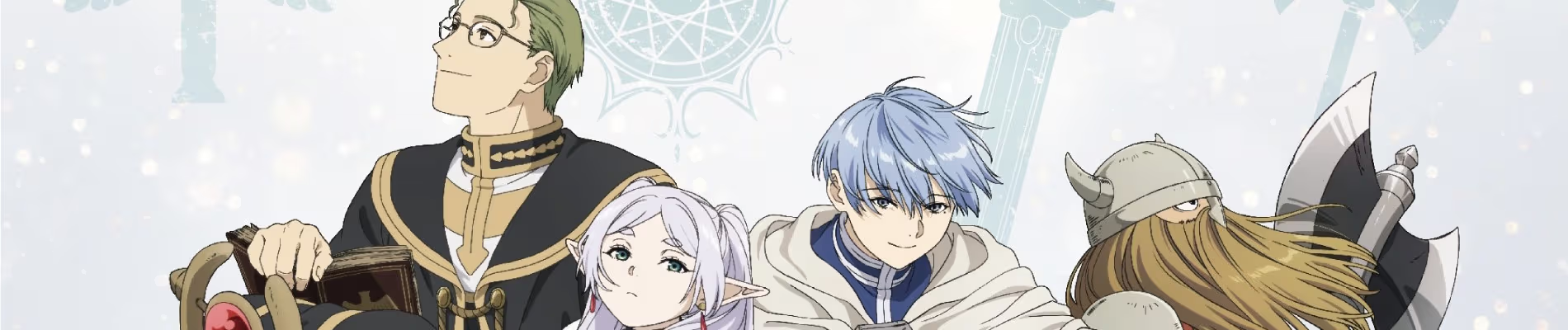
Among the thousand more years Frieren has lived, three big periods are so impactful to Frieren that are entwining and entangling in the narrative of Sousou no Frieren; The Great Mage Flamme period (around 1000 years before the passing of Himmel the Hero); where Frieren learns her demon-killing mastery magic from its very best Great Mage Flamme, The Hero Party’s Journey period (60–50 years before the passing of Himmel the Hero); where Frieren joined the hero party in their journey to defeat the demon lord, and The Aureole Journey period (after the passing of Himmel the Hero); where the story of Sousou no Frieren starts.
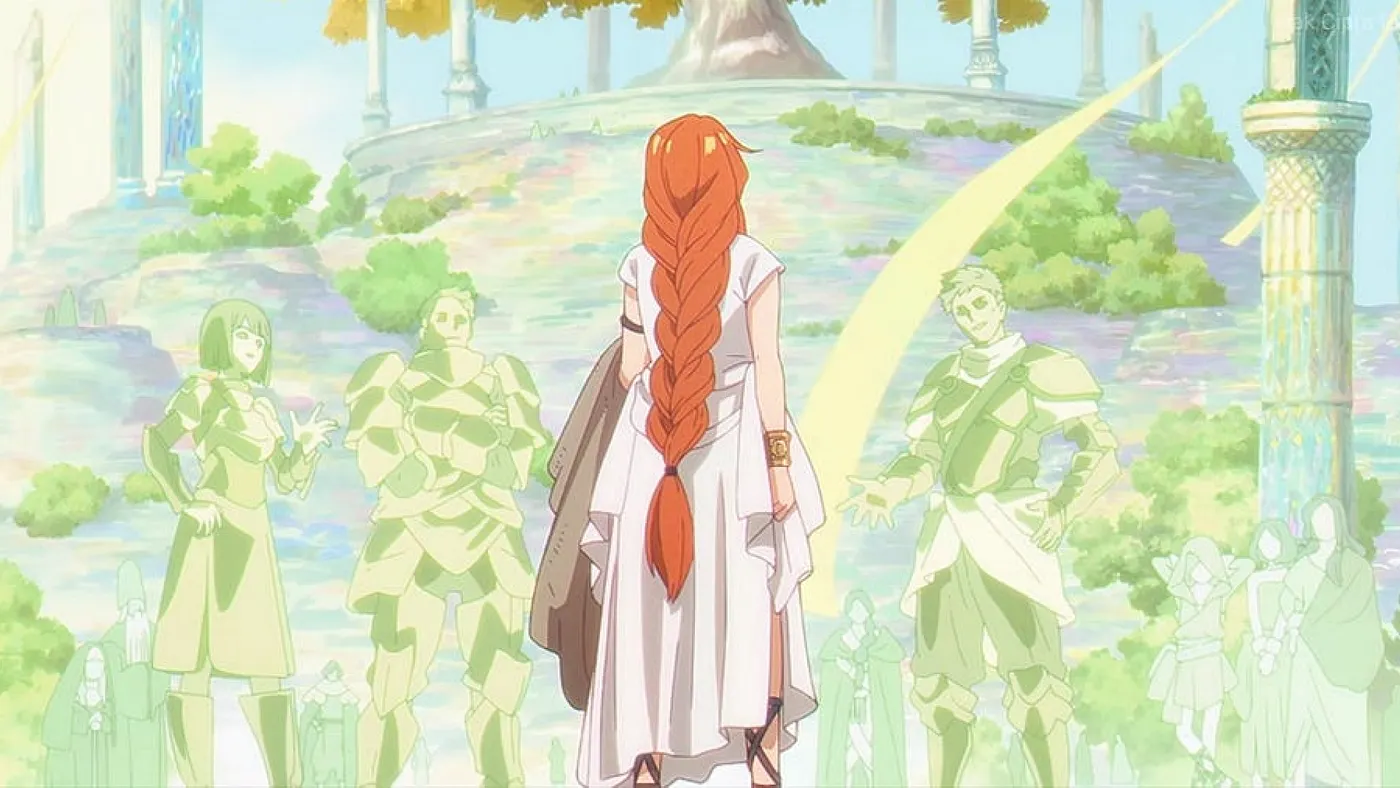
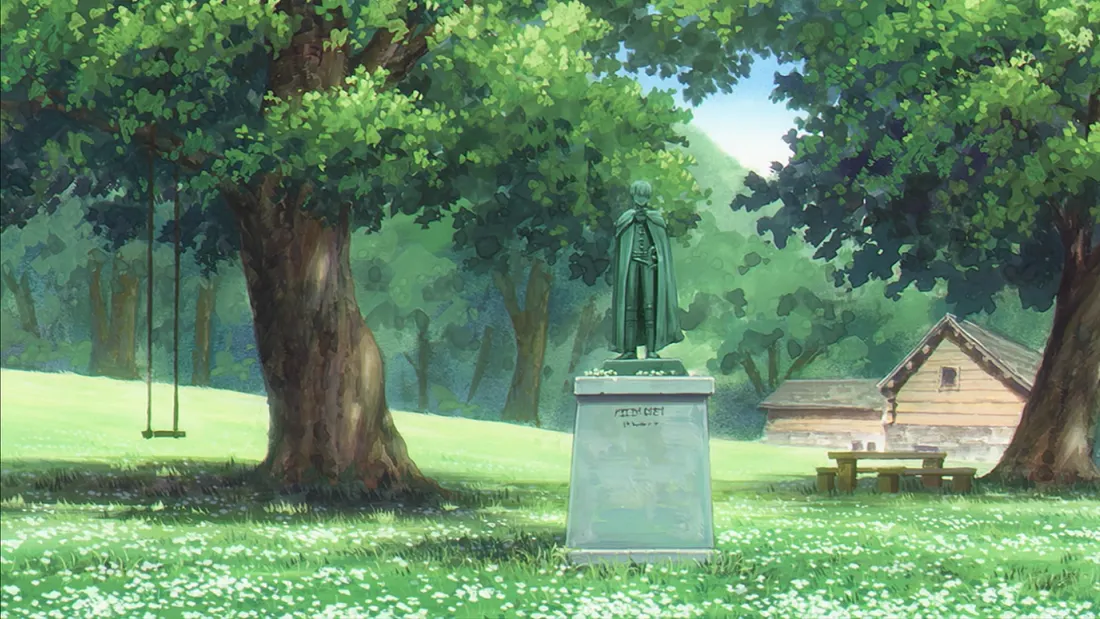
Having those eventful flashbacks gives us another perspective on world-building in a fantasy setting. While admittedly Sousou no Frieren is not so interesting and diverse in spatial world-building, like geopolitics and culture across the continent, Sousou no Frieren makes it up with its temporal world-building. Notably so on many occasions, like when Demon-killing magic was introduced or when Hero Himmel’s statue diversity across the land was discussed.
This time-dependant episodic stories that lie across the episodes also managed to make Sousou no Frieren kind of distinguished from any other fantasy. Each encounter has its own message to tell. Each episode might have one or two stories to tell and makes its pacing slow and breathable as we consume and digest the message it tried to convey. It might not be the show for those who only craved the fast-actioned show. But for those who stay for the message and immersive experience, it might be the best show that has come in recent years.
Magical expression of the flowery fantasy
The much-beloved manga and its amazing stories needed a proportional treatment when it came to adaptation. No one would want to see their lovely manga get some ‘mid’ adaptation. Luckily, Sousou no Frieren was not the case.
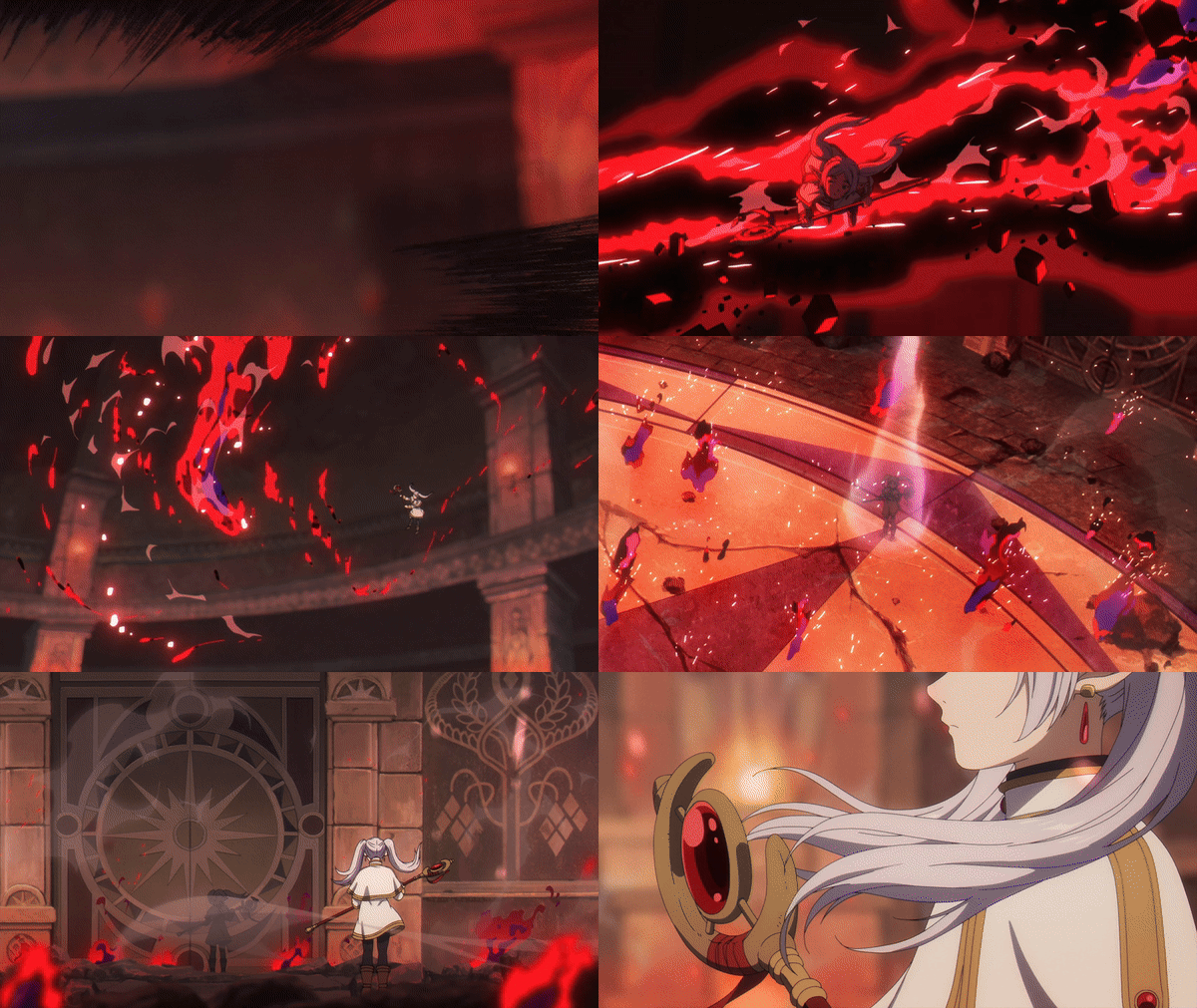
With the story revolves around a journey across the continent and stories of encounters in its way and less fight portion in it, some would expect the fight scene of Sousou no Frieren would be your average fight scene. BUT NO. Instead, we have some well-crafted double fights runs simultaneously in #09 (Ekonte・Enshutsu: Kouki Fujimoto (藤本航己), Sakkan: Keita Nagasaka (⻑坂慶太), Action Sakkan: Tooru Iwazawa (岩澤亨), Sou Sakkan: Reiko Nagasawa (長澤礼子)); Zoltraak tracing cameraworks, Fern’s mid-battle graceful walk, Stark and Linie’s clashes of weights and impacts. One of the best fights in 2023.
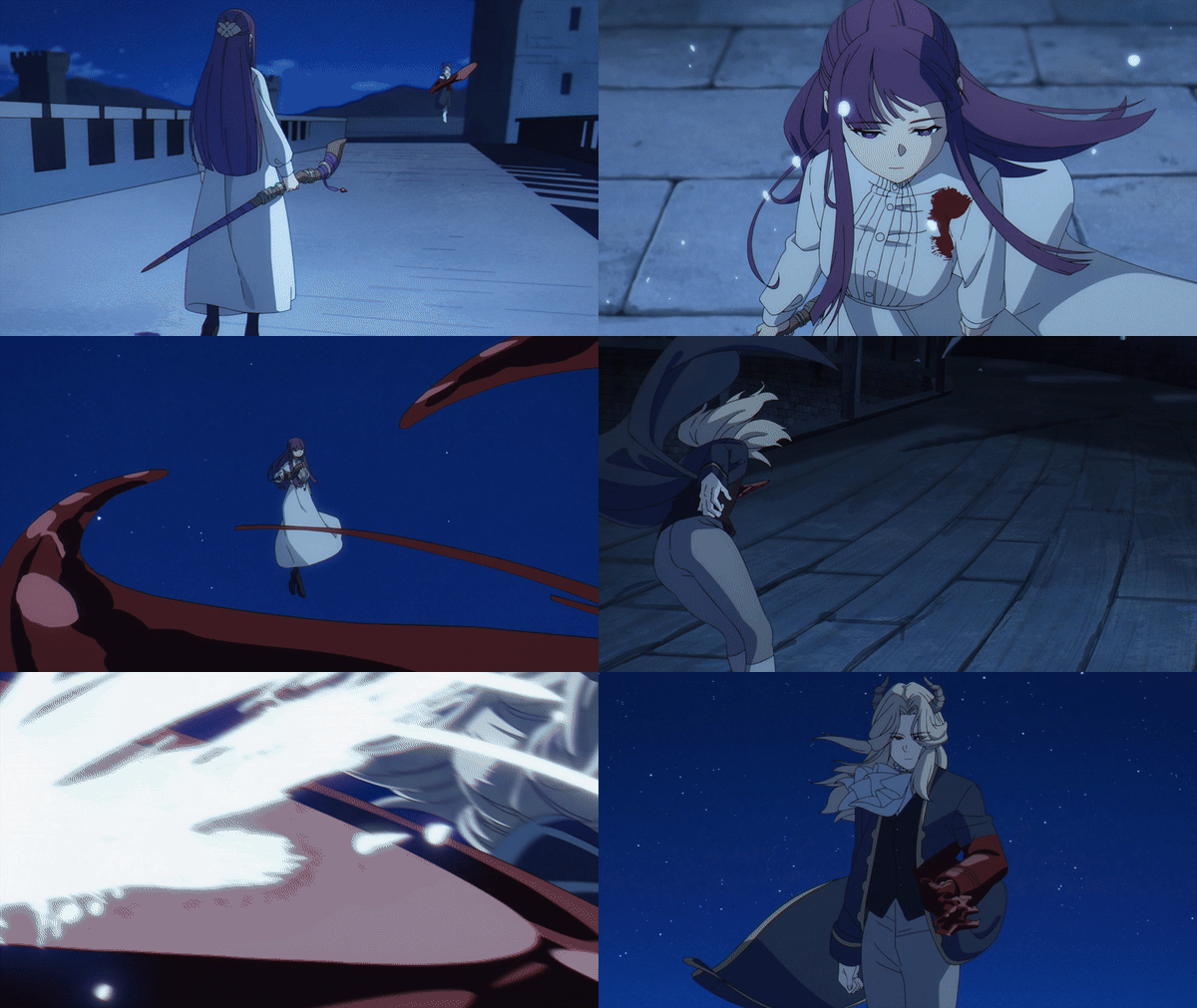
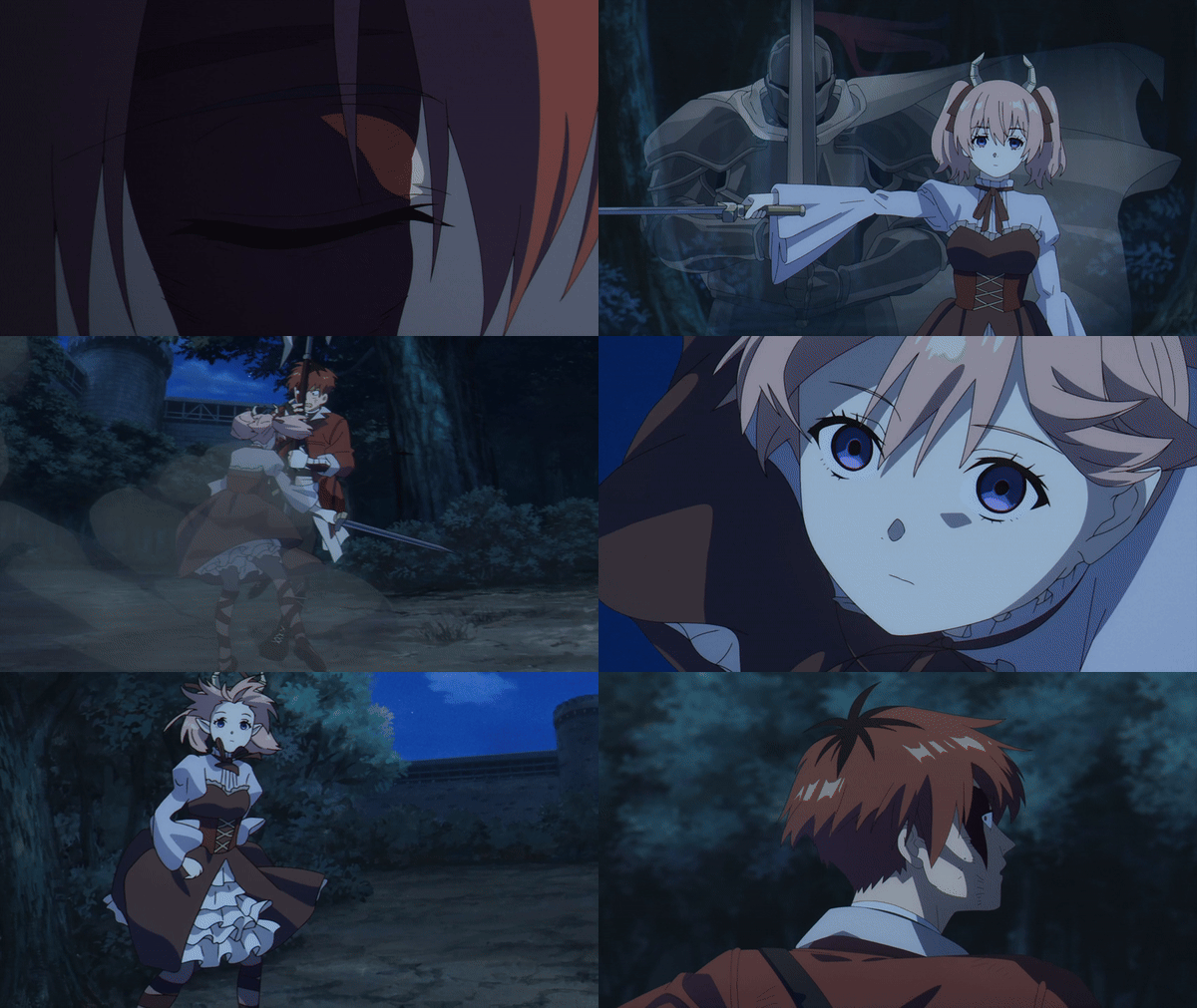
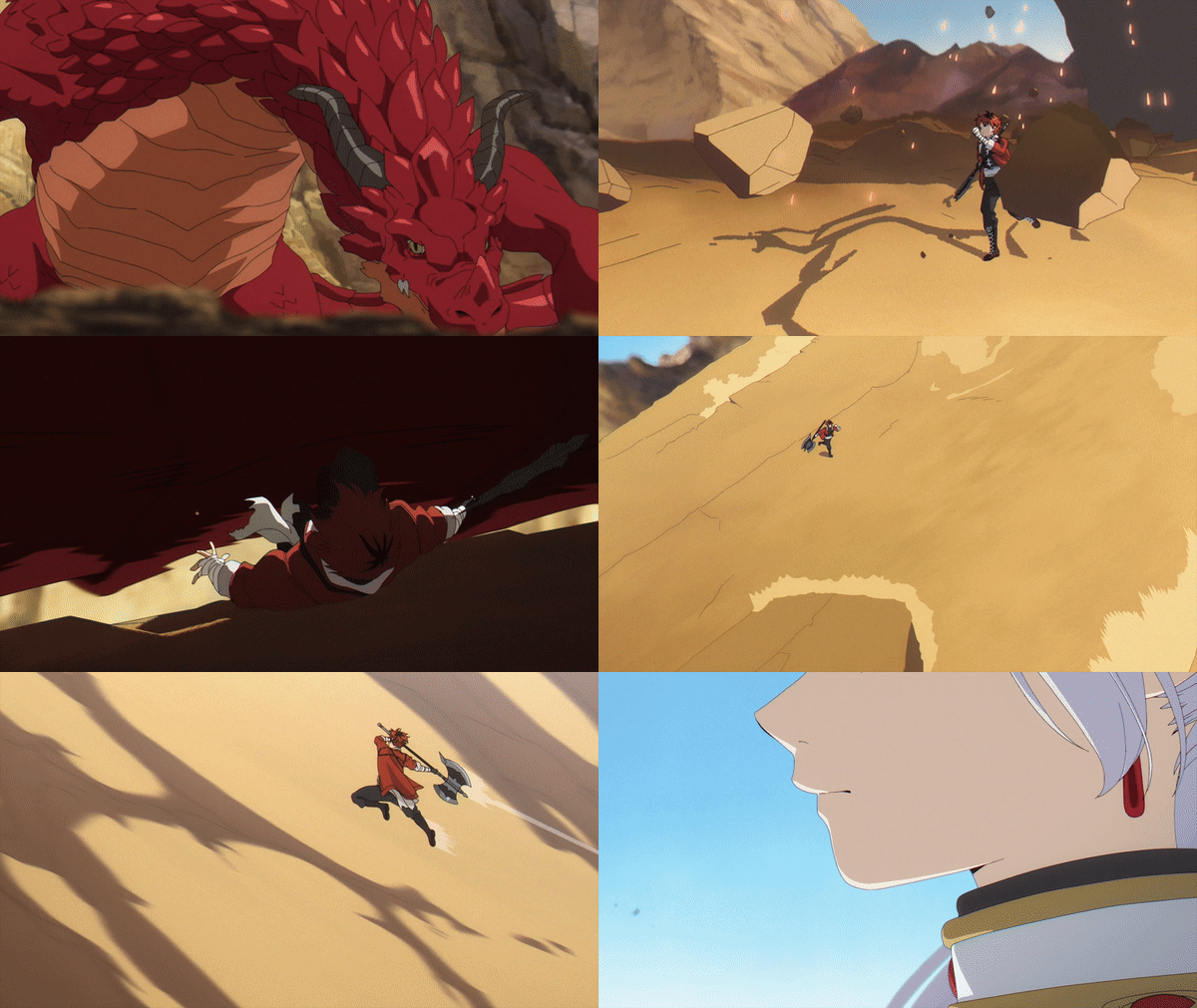
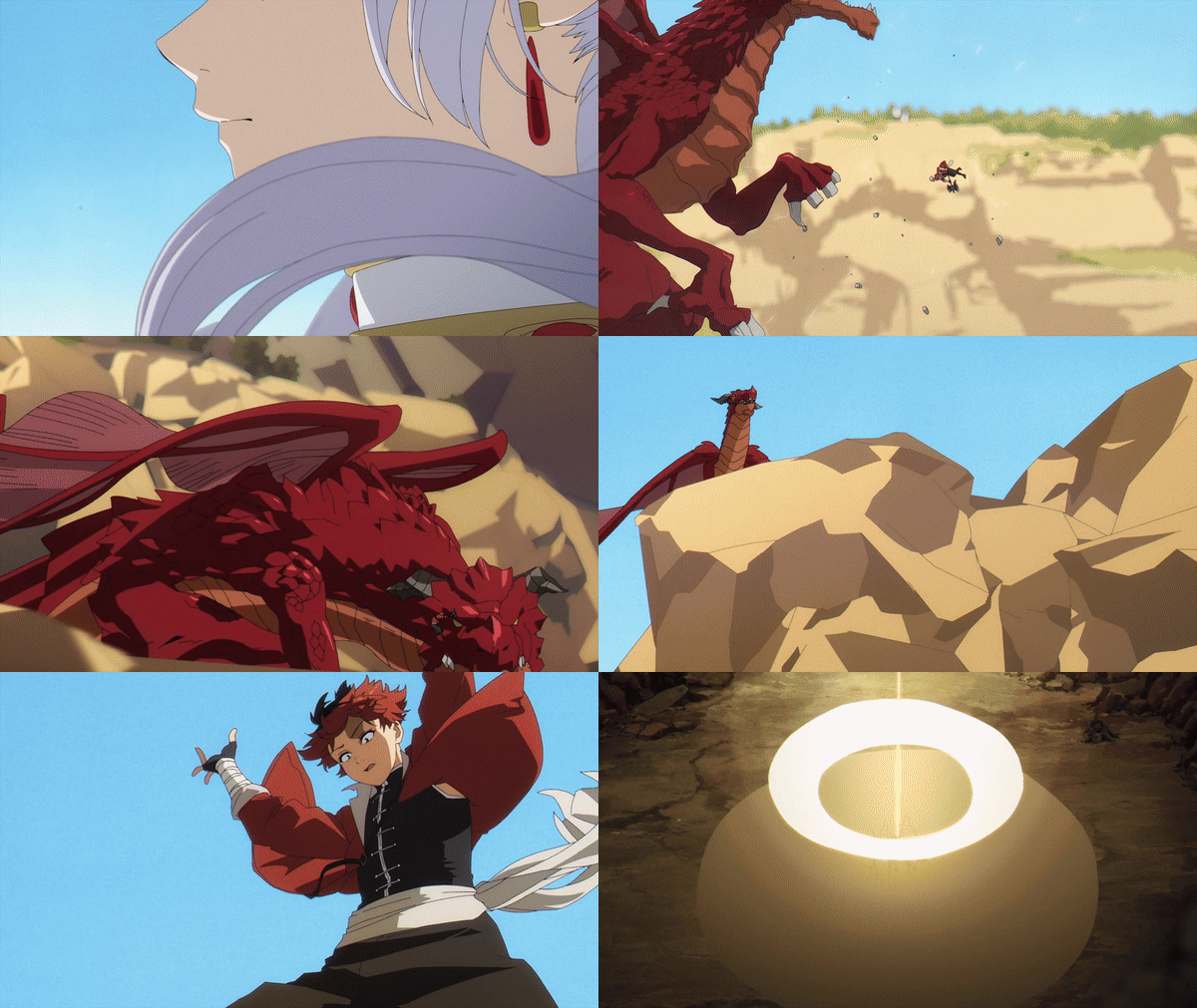
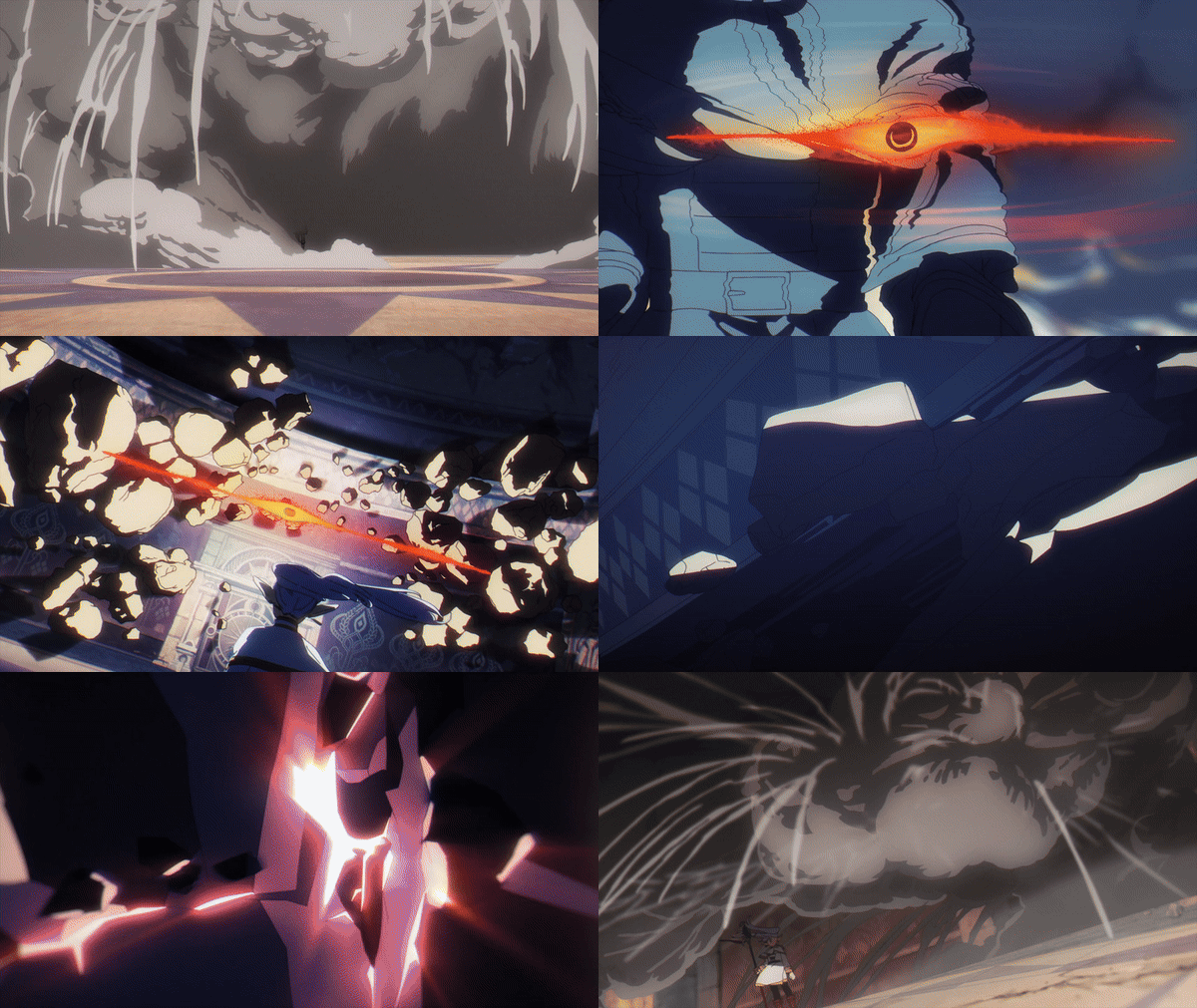 ), Action Sakkan: Tooru Iwazawa, Sou Sakkan: Reiko Nagasawa); the episode that felt like a treat with many immaculate magic spectacle that captured in fabulous cameraworks and layouts.
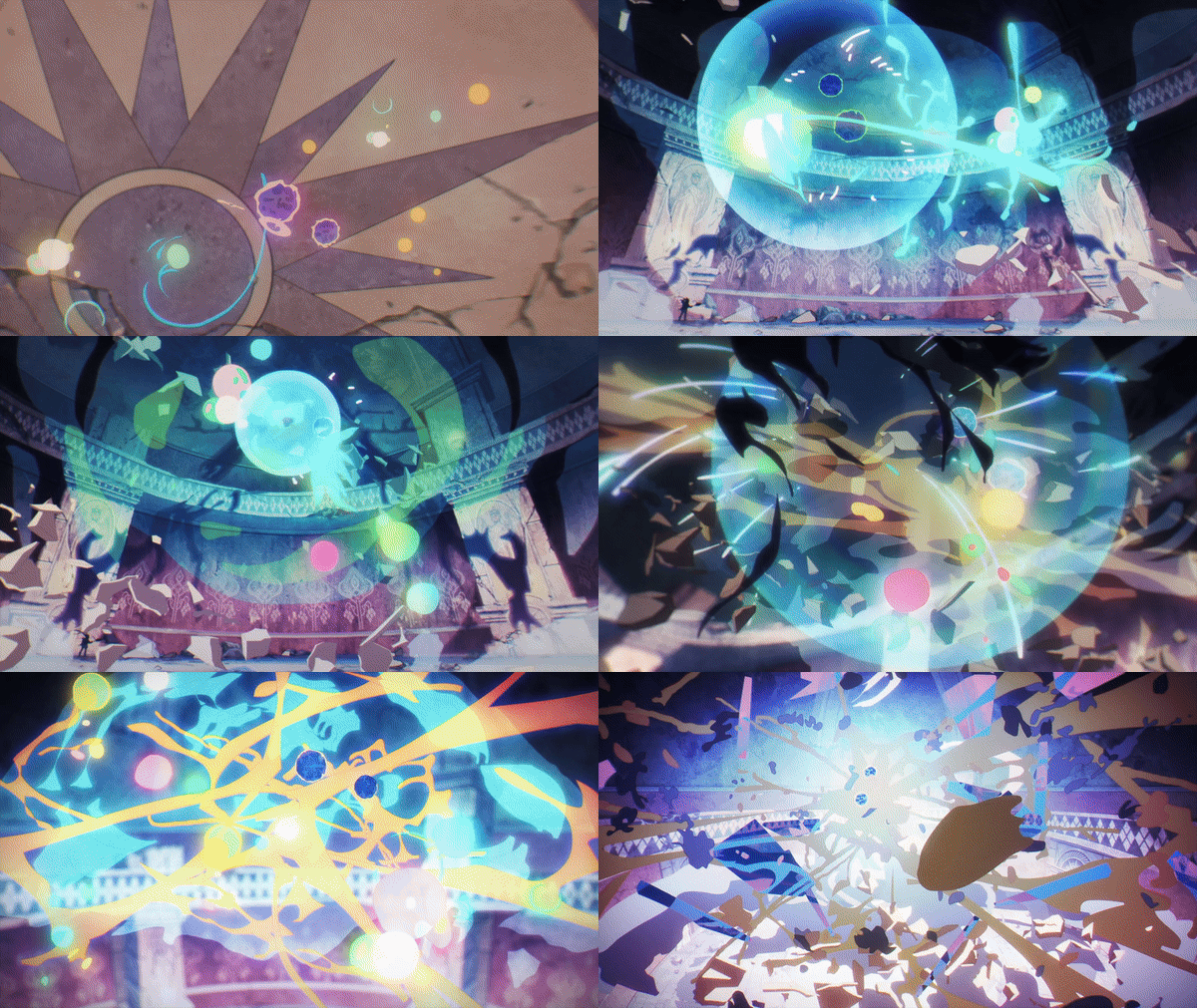
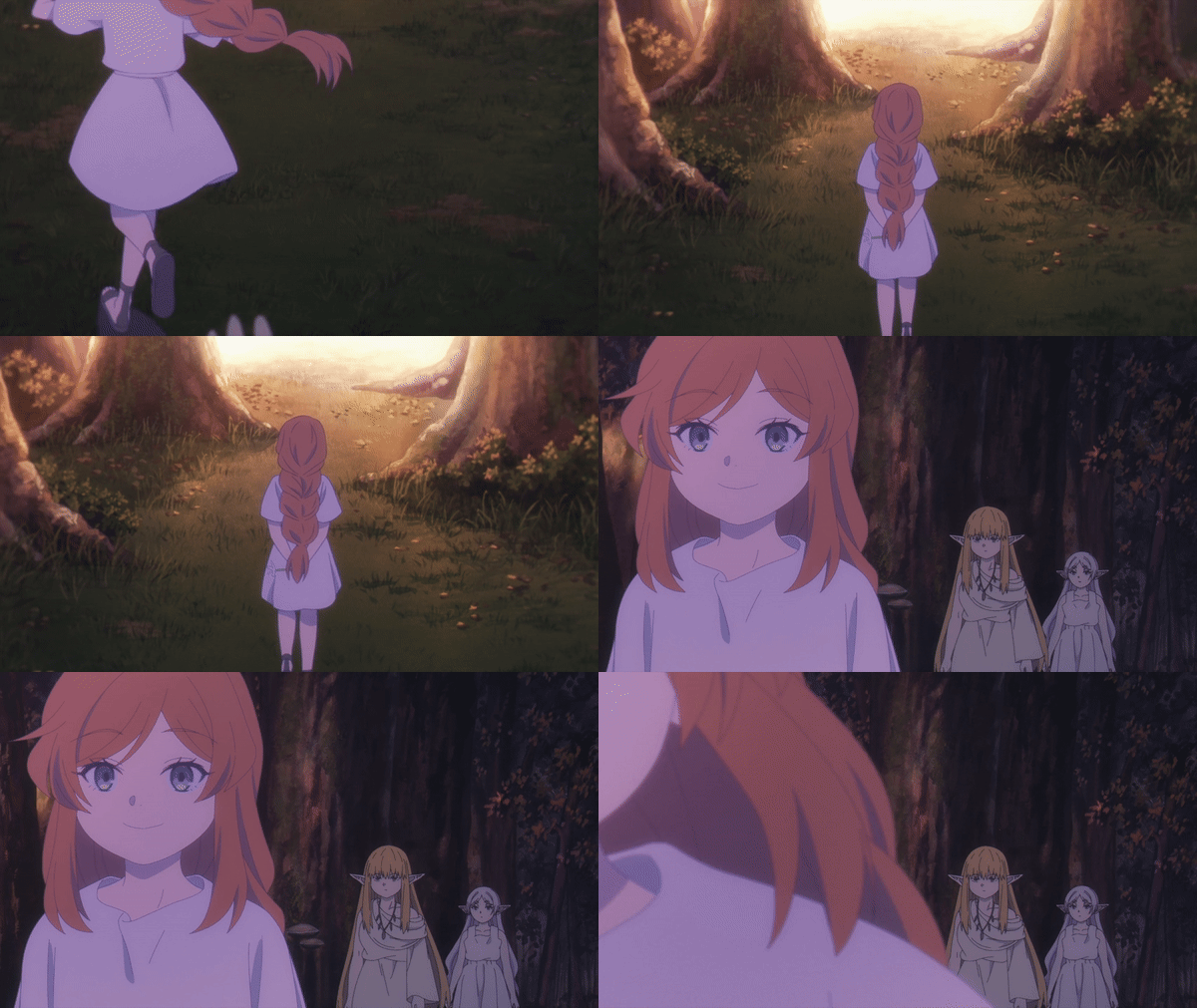
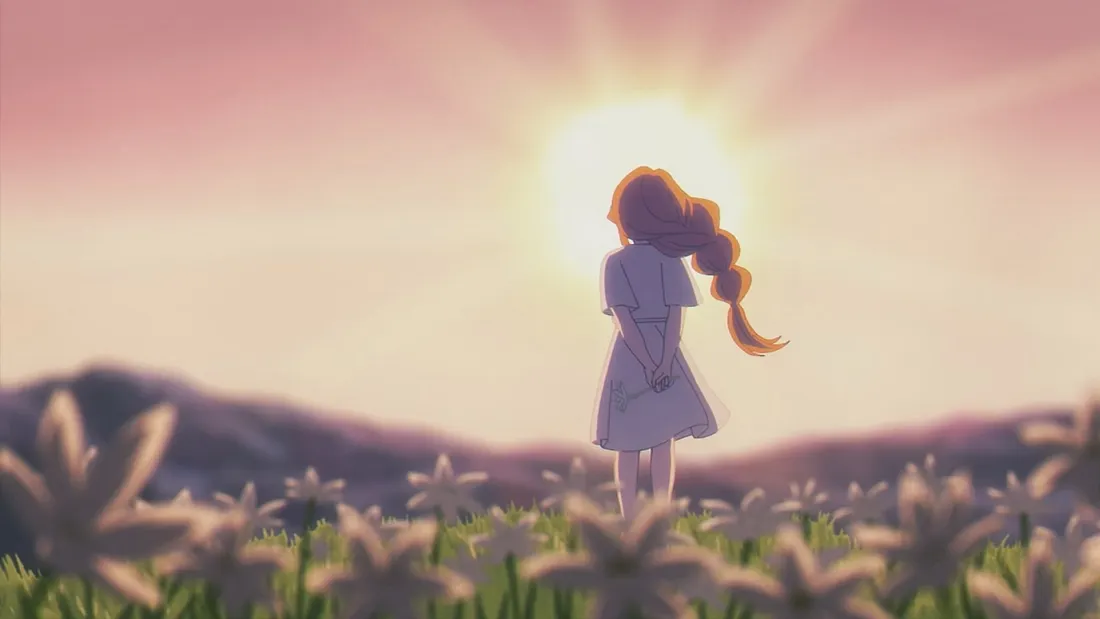
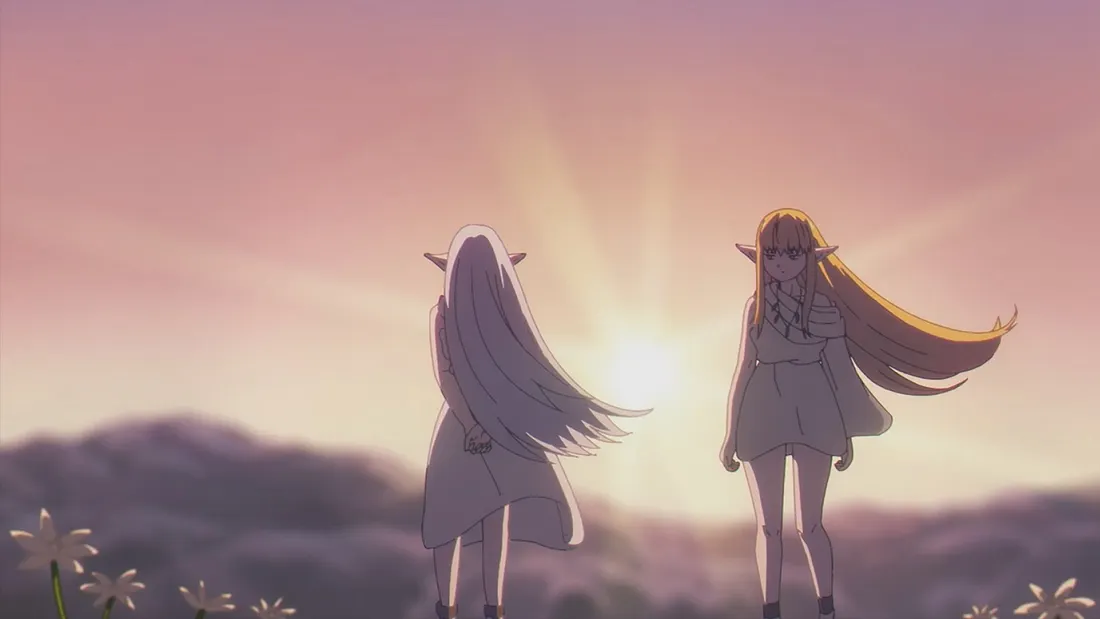
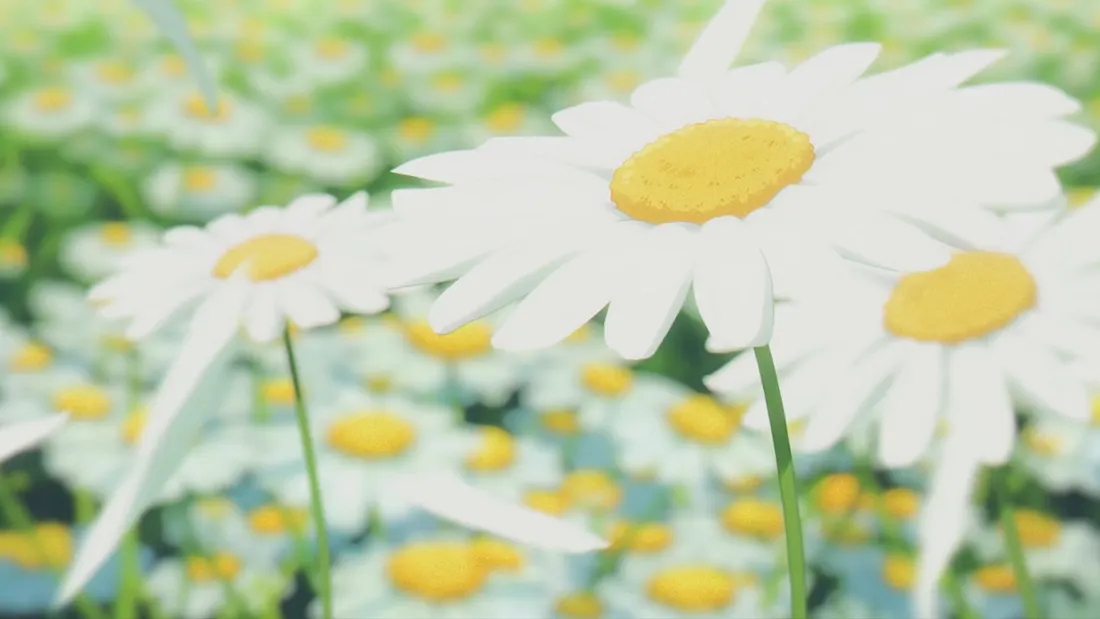
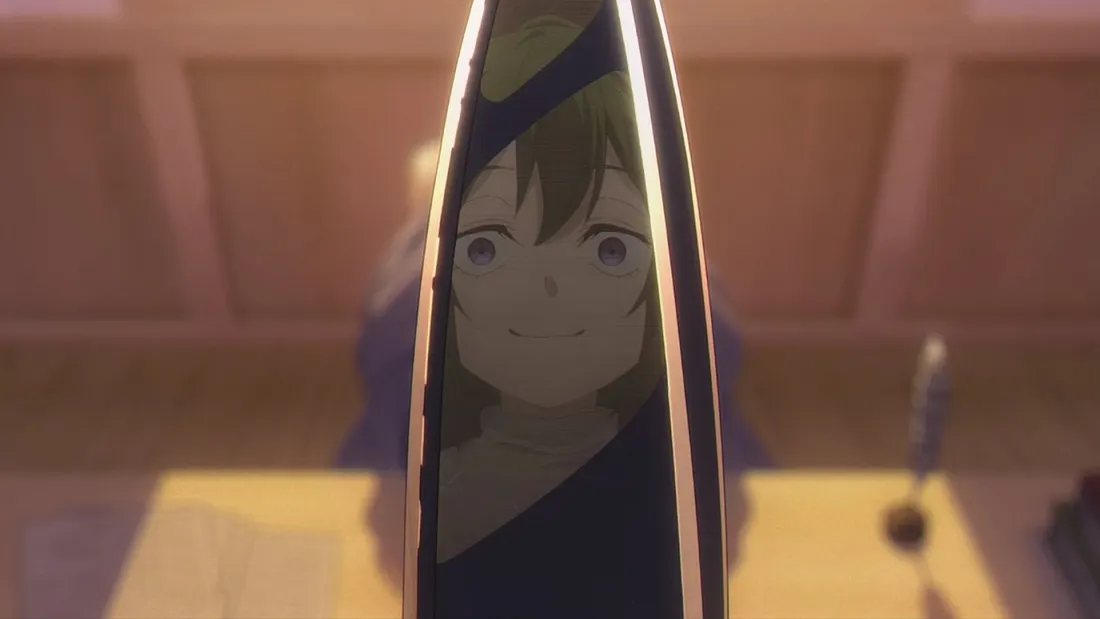
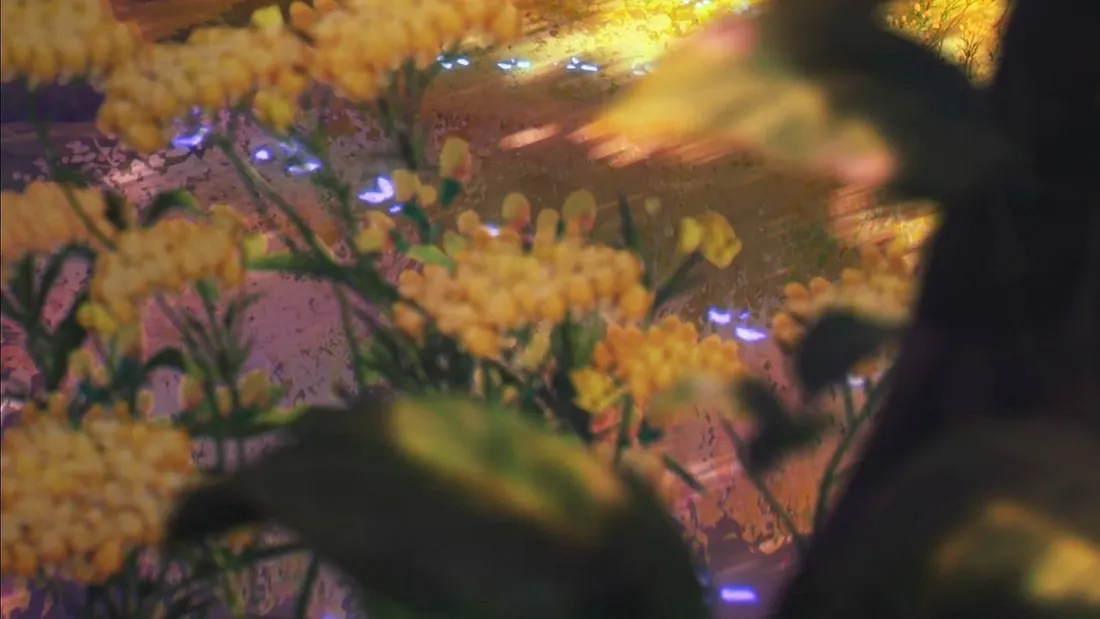
One of the most recent examples would be in #25 (Ekonte・Enshutsu: Tomoya Kitagawa (北川朋哉), Sakkan: Yutaka Yaegaeshi, Hiroyuki Kobashi (小橋弘侑), Keita Nagasaka, Shinichi Yoshikawa (吉川真一), Action Sakkan: Tooru Iwazawa, Sou Sakkan: Reiko Nagasawa); specifically in the flashback part where Hiroyuki Kobashi takes the lead, where Frieren and Serie talk about Flamme and her dream about an era where anyone can use magic. In the middle of the flower field that represents Flamme’s favorite magic, Flamme as a child version of her stood facing the warm golden sunset. Flamme shown as a kid in this flashback reflects on how Serie perceived Flamme and her dream as merely childish. Thus we move to see a scene where Frieren and Serie stood in the same spot where Flamme stood before. But this time, While Frieren faces the same direction as Flamme, Serie didn’t. Thus could picture about how each character looked and perceived Flamme’s dream, an era where anyone could use magic.

Afterwords
And with that, my review of Sousou no Frieren comes to an end.