A Silent Voice
a review by NapoJ
a review by NapoJ
La siguiente reseña está en Español e Inglés (traducida con el apoyo de DeepL)
La versión leída es la traducción al español por Sasori69, Dissident, json y Deon perteneciente a “Café con Lenin”
Una historia sobre el enfrentamiento más difícil de un adolescente, el que tiene contra sí mismo. Ishida es un “inusual” protagonista, no es el tímido de la clase ni un galán extrovertido, era un abusador que se convirtió en el abusado provocando que se encierre en sí mismo. Y esto no cambiará abruptamente durante el desarrollo porque no tiene la intención de cambiar, no quiere aceptación ni reintegración social, quiere es una aceptación personal.
El acoso escolar es abordado como la complicidad de un grupo para burlarse de un individuo, no hay una justificación ni razonamiento en su origen, es sólo un hecho que afecta a todos los involucrados, aún si no lo percatan en el momento. El protagonista estuvo en ambos lados del espectro, vive en el constante conflicto de ser quién lo ha provocado y quién posteriormente lo sufre, acarreando el doble de culpa, una carga que no sabe cómo solventar.
La narrativa se concentra en la pregunta inherente a esa culpa en perspectiva del futuro ¿Merece recibir perdón alguno? ¿Vivir en paz? Y responden esas preguntas a través de otra cuestión, su amabilidad con Nishimiya ¿Es auténtica o sólo busca su propia redención? En ese punto entra en consideración los otros y su relación con el protagonista.

Comenzando por el otro eje de la historia, Shouko, quién parece tener sólo asignado un acto narrativo de ser la “víctima virtuosa”, más conforme se vayan entendiendo las capas detrás de su sonrisa o la comprensión de lo que conforma su carga, se comprende que también vive en un conflicto consigo misma, lo enfrenta sin saber siquiera cómo debería hacerlo, durante un tiempo ignora, y luego lo afronta directamente y hasta intenta escapar del mismo.
El resto de los personajes secundarios también tienen sus propias culpas y dilemas, especialmente notable entre quienes estaban en el mismo salón durante la infancia que aunado a sus vivencias del presente, les construyen como un “otro” en la narrativa, no son sólo focos de exploración sobre el protagonista. Es decir, no existen por “hacer avanzar la trama”, sólo estaban y por el contrario, parece ser Ishida quien entra en sus respectivas vidas.
En cierto punto, la historia rememora a una típica anécdota de amistad en una secundaria cualquiera hasta que llega el punto de cambio del que se partirá para realizar una evaluación sobre lo ocurrido hasta ese momento. Sin embargo, cuál es ese punto de cambio está sujeto a la consideración del lector, lo único cierto es que pasa y una vez sucede, las preguntas más que ser respondidas son evaluadas desde una nueva perspectiva.

Cómo se resuelven esos enfrentamientos es lo mejor del manga, porque no teme utilizar cada elemento planteado de forma genuina y explícita sin tampoco recaer en una mediocre exhibición temática. Explica lo que quería de lo que se ha planteado correspondiendo al contexto de la historia, sus personajes expresando sentimientos sin que aún así sea una sinceridad plena, porque así son las personas, todavía más los adolescentes.
La pregunta principal es reevaluada y resuelta en el cultivamiento de una nueva etapa que no veremos durante la historia más se comprende que es el camino que será tomado desde su último capítulo, una aceptación y perdón a través de realizar el mejor esfuerzo, con sí mismo y con los demás.
Una crítica usual hacia la obra está dirigida a la falta de realización de los personajes secundarios, aparte de Shouko o Ishida, que aún si no veremos completamente su cambio, si tenemos la aceptación en que se quiere trabajar por esa mejora, el resto de personajes no es evidente si ha ocurrido. Sin embargo, esa responsabilidad no corresponde al manga porque la mayoría de nuestro punto de vista es sobre Ishida, y aún cuando hay introspectivas de otros personajes, en lo que respecta a su aceptación les corresponde a sus propias experiencias y cómo las interpretan.

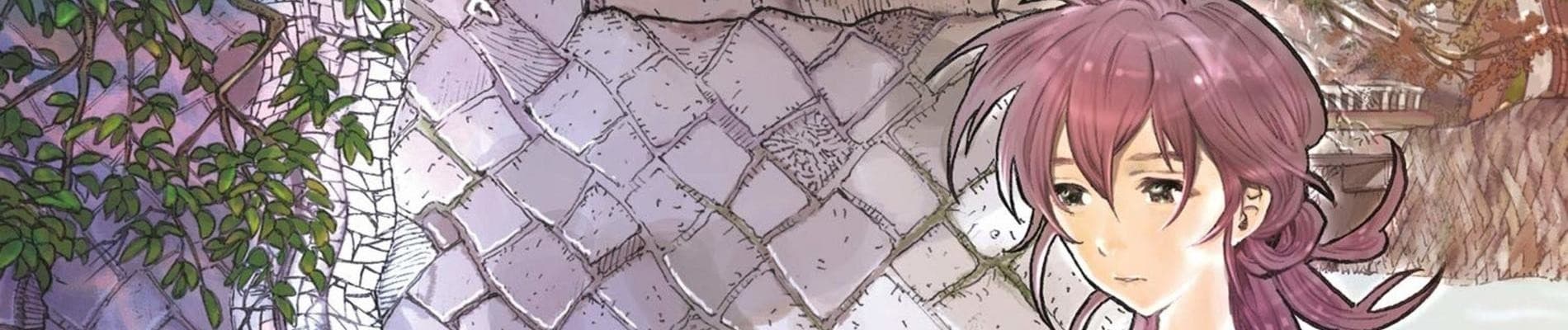
Ooima es una mangaka impecable, sean sus dimensiones como dibujante, maquetista o narradora, en cada aspecto tiene una remarcable perfección. El dibujo sólo es cada vez más hermoso durante el recorrido, desde el detalle de los fondos hasta la expresión de los personajes, una amalgama de reacciones que revelan sentimientos y pensamientos con la mirada.
Su papel como maquetista está de la mano con su desempeño como narradora, cuándo el punto de vista sobre el narrador cambia no sólo es un cambio de paneles, es un reimaginario de cómo ve el mundo desde su perspectiva visual o auditiva, en especial consideración con lo último porque brinda uno de los capítulos más bellos de la historia.
O por supuesto, el mero aporte de utilizar una “x” sobre el rostro de los personajes para representar la depresión de Ishida, valor simbólico que también brinda otro de momentos significativo. O los múltiples silencios presentes en la obra, un perfecto contrapeso al usual mensaje en voz alta.

Koe no Katachi no merece ser referenciado como lo que “debería verse” en vez de su película, cada una expresa el mensaje de su narrativa a través de los elementos del medio para reforzar sus características. La superación del dolor desde la aceptación que existe, no será sencillo y tomará tiempo, pero por quienes nos esperan y por nosotros, debemos avanzar y abrir la puerta.
English
A story about the most difficult confrontation of a teenager, the one he has against himself. Ishida is an "unusual" protagonist, he is neither the shy one in class nor an extroverted heartthrob, he was a bully who became the abused causing him to withdraw into himself. And this will not change abruptly during the development because he has no intention of changing, he does not want acceptance or social reintegration, he wants personal acceptance.
Bullying is approached as the complicity of a group to make fun of an individual, there is no justification or reasoning in its origin, it is just a fact that affects everyone involved, even if they do not realize it at the time. The protagonist was on both sides of the spectrum, he lives in the constant conflict of being the one who has provoked it and the one who later suffers it, carrying double the guilt, a burden he does not know how to solve.
The narrative concentrates on the question inherent in that guilt in the perspective of the future: Does he deserve any forgiveness? Does he deserve to live in peace? And they answer those questions through another issue, his kindness to Nishimiya. Is it genuine or is he only seeking his own redemption? At that point the others and their relationship with the protagonist comes into consideration.

Starting with the other axis of the story, Shouko, who seems to have only assigned a narrative act of being the "virtuous victim", but as we understand the layers behind her smile or the understanding of what makes up her burden, we understand that she also lives in a conflict with herself, she faces it without even knowing how she should do it, for a while she ignores it, and then faces it directly and even tries to escape from it.
The rest of the secondary characters also have their own faults and dilemmas, especially notable among those who were in the same classroom during childhood, which together with their experiences of the present, construct them as an "other" in the narrative, they are not only focuses of exploration on the protagonist. That is, they do not exist to "advance the plot", they were just there and on the contrary, it seems to be Ishida who enters their respective lives.
At a certain point, the story is reminiscent of a typical anecdote of friendship in any high school until the point of change arrives from which to make an evaluation of what has happened up to that moment. However, what that turning point is is subject to the reader's consideration, the only certainty is that it happens and once it does, the questions are evaluated from a new perspective rather than being answered.

How those confrontations are resolved is the best thing about the manga, because it is not afraid to use every element raised in a genuine and explicit way without falling back on a mediocre thematic display either. It explains what it wanted from what has been raised corresponding to the context of the story, its characters expressing feelings without it still being a full sincerity, because that's how people are, even more so teenagers.
The main question is reevaluated and resolved in the cultivation of a new stage that we will not see during the story but it is understood that it is the path that will be taken from its last chapter, an acceptance and forgiveness through making the best effort, with oneself and with others.
A usual criticism towards the work is directed to the lack of realization of the secondary characters, apart from Shouko or Ishida, that even if we will not see completely their change, if we have the acceptance in that they want to work for that improvement, the rest of the characters it is not evident if it has happened. However, that responsibility does not correspond to the manga because most of our point of view is about Ishida, and even when there are introspectives of other characters, as far as their acceptance is concerned it corresponds to their own experiences and how they interpret them.

Ooima is an impeccable mangaka, whether she is a cartoonist, layout artist or storyteller, in every aspect she has a remarkable perfection. The drawing only gets more and more beautiful along the way, from the detail of the backgrounds to the expression of the characters, an amalgam of reactions that reveal feelings and thoughts with their eyes.
Her role as a layout artist is hand in hand with her performance as a narrator, when the point of view on the narrator changes it is not only a change of panels, it is a reimagining of how she sees the world from her visual or auditory perspective, with special consideration for the latter because it provides one of the most beautiful chapters in the story.
Or of course, the mere contribution of using an "x" on the face of the characters to represent Ishida's depression, a symbolic value that also provides another significant moment. Or the multiple silences present in the work, a perfect counterbalance to the usual loud message.

Koe no Katachi does not deserve to be referenced as what "should be seen" instead of its film, each one expresses the message of its narrative through the elements of the medium to reinforce its characteristics. Overcoming the pain from the acceptance that exists will not be simple and will take time, but for those who await us and for us, we must move forward and open the door.
14.5 out of 15 users liked this review
