Goodnight Punpun
a review by NapoJ
a review by NapoJ
La siguiente reseña está en Español e Inglés (traducida con el apoyo de DeepL)
La versión leída es la licenciada al español por “Norma Editorial”
Punpun se publicó a lo largo de 6 años, 2007 - 2013, convirtiéndose en la obra más ambiciosa que había planteado Asano hasta ese entonces, eso sí, con las mismas líneas temáticas por las que se le reconoce. Su diferencia yacía en el abordaje a través del crecimiento que sólo permite la centena de capítulos en vez de una veintena, porque su duración da para no sólo dedicarse a los puntos principales, sino que puede inmiscuirse en diferentes tangentes según le parezca.
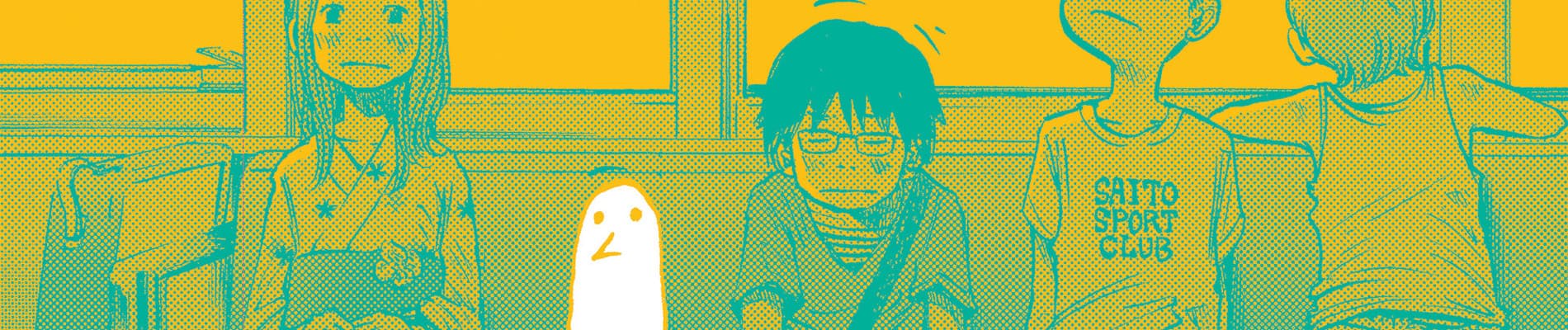
Porque en sí, Oyasumi puede considerarse como “Asano en gran escala”. Tiene los elementos reconocibles del autor sean la continua presencia de símbolos, “realismo fantástico”, monólogos, cinismo y esperanza. De los más reconocibles y asociados a la obra es precisamente su protagonista, Onodera Punpun, quien tiene dos principales detalles, su representación y falta de habla. En el primero, Asano abstrae a Punpun al representarlo como un ave durante la mayoría de su desarrollo, en el resto su representación se ve influenciada por los sucesos que están aconteciendo, siendo una interesante expresión en sí misma del estado en que se encuentra.
Y su falta de habla es refuerzo de la intención del manga, una introspección en la vida de Punpun, desde su infancia hasta sus primeros años de juventud. Aún si leemos lo que dice a modo de nubes de pensamiento, durante la mayoría del tiempo estaremos leyendo sus diferentes pensamientos, observaciones y reflexiones.

Cabe aclarar que no es el único protagonista, en el transcurso de la narración varía el personaje narrador, pueden ser miembros de su familia, amigos u otros que pertenecen a un hilo narrativo completamente diferente, más a ninguno se le brindará una introspección tan detallada a comparación de Punpun, de todas maneras, durante ese momento en que pasen a primer plano, se les dedica el espacio acerca de lo que opinan, esperan y actúan.
Sea en el hilo narrativo que sea, Asano plantea diferentes símbolos que va a utilizar a lo largo de la historia y de diferentes maneras, mi preferido es “El Espacio” por las diferentes connotaciones en que es utilizado, es un concepto de algo real pero en sí es abstracto por la imposibilidad de tocarlo, y provoca el rememorar una noche de la infancia donde vió un amplio cielo estrellado. Contamos con otros elementos con su propia interpretación a partir de lo trascendentales que sean para la trama sea amigos imaginarios, Dios, música o los pequeños ritos, y varios se originan de esa primera fase de la historia, la infancia.
Es mi sección preferida del manga, puede que por la presencia de inocencia e ingenuidad, que da paso al descubrimiento gradual del mundo, o porque su suceso tangente que marca el final de la etapa me fue especialmente doloroso por la sinceridad que es presentado (sin profundizar, es el que tiene que ver con su madre). Y se explica porque en mi lectura de Asano y mi reflexión acerca de Punpun, entiendo que cuándo más valoro y conectó con su obra es en la honestidad, entendiéndose como una narración desprovista de artificios y complejidades, no porque desprecie el esfuerzo en metáforas y visiones, al contrario, me gustan, especialmente si provienen de algo en que pueda conectar y entender. De ahí que una vez terminada la infancia se diluía mi apreciación hacia la obra.

Comprendo el enfoque de Asano, es un Coming of Age constituido por la dificultad de crecer y conseguir sin saber cómo hacerlo, las amistades se van fragmentando, se apilan los fracasos, el futuro es amenazador en su vacuo y sólo crece el auto desprecio al rememorar la infancia con sus sueños y esperanzas. Es una temática que había explorado en sus obras previas, en resultados altibajos dependiendo de cada cuál, más conocida por él. En Punpun se extiende ese desarrollo pero con dos aspectos principales que me resultan incomprensibles, el tramo final de Punpun y su principal subhilo narrativo.
Empecemos por este último dada su presencia. El culto constituye esos capítulos a los que me refiero en el sentido negativo con mi apunte acerca de la sinceridad, están repletos de monólogos complejos y acciones incomprensibles, que sí bien pueden explicarse o entenderse a través de una dedicada reflexión ¿Acaso vale la pena ese ejercicio? Porque igual parece que no demuestran ni implican nada que no haya sido planteado en, ni siquiera tengo que referirme a previas, la misma obra en una forma más concreta, coherente e interesante.
Un personaje secundario está inmiscuido en esté hilo narrativo y constituye su mejor aspecto, de haber sido dedicado únicamente hacia este, comprendería tal aspecto y su rol dentro de toda la obra, más no es así, sólo es un aspecto de un compendio excesivamente enmarañado. Y referido a los monólogos, comprendo cuando suceden en Punpun, es decir, todos tenemos nuestros propios pensamientos extensos acerca del estado de las cosas, más no cuando se presentan a modo de diálogo. Sobre todo cuando Asano en otros momentos encapsula sentimientos y complejidad con frases puntuales en una viñeta perfectamente planteada, no hay necesidad del largo declamar.

El camino de Punpun lo valoro en casi su totalidad, el tira y afloja entre avanzar y rendirse en una etapa convulsa e influenciable, cuenta con sus propias reflexiones representados en el actuar de los personajes como permitirse amar otra vez, la dificultad de hacer conexiones y el entendimiento de intereses. Aún si la situación podía ser excesivamente cínica a momentos, lo comprendía por ser ese abordaje acerca de la depresión y privación, además de que en forma paralela se avanzaba acerca del valor de continuar.
La última etapa es donde se sumerge excesivamente en el cinismo y locura, excusarse en el estado mental del protagonista o la depresión es una decisión del lector, más me ha resultado contraproducente con el desarrollo hasta ese momento, empañando el esfuerzo del otro hilo narrativo en paralelo acerca del contraste en cómo nos percibimos a nosotros mismos y cómo nos percibe el resto.
El aspecto del dibujo es el talento de Asano en su modo más “Asano” hasta entonces. Resulta cómica la diferencia entre el aspecto de Punpun con el resto, pero no desentona, es rápidamente asimilado y acostumbrado. Aparte de sus páginas dobles o completas de únicamente un panel donde usualmente hace alarde de su imaginación por medio de representar con abstracciones la complejidad de los sentimientos, también está su planteamiento más general, en diálogos donde cada detalle del personaje refleja parte de ese sentimiento inscrito en sus frases.

O por supuesto, aquellos donde ni siquiera utiliza conversación, únicamente las acciones de sus personajes, miradas y ausencias. Es un manga repleto de genialidad en ese estilo, incluso esos momentos que reniego por el despropósito de su conversaciones, tienen un toque de creatividad y viveza del autor. Varios por sí sólos y basados únicamente en el detalle y composición, merecen estar entre los mejores paneles de la obra
Como también es su presentación miscelánea de diferentes estilos representado en el mismo Punpun, o en otros personajes u objetos con algunos toques más cartoon, unos siendo más realistas en medio de su propio “toque”. En ese sentido Asano abraza como no lo había hecho ser un manga, entendiendo las posibilidades del medio, y utilizándolo.
Una sensación conflictuada me deja Punpun aunque no por lo que podía esperarse, aprecio varios elementos que le conforman y secciones concretas de la historia, más confieso que dada su renombrada fama si esperaba algo “más”. En cambio, sus últimos capítulos cada vez me sabían a menos, y aunque me encantó volver a ver ese símbolo que mencioné como mi favorito, no iba a deshacer ni compensar mis propios sentimientos al respecto.

English
Punpun was published over 6 years, 2007 - 2013, becoming the most ambitious work that Asano had proposed until then, with the same thematic lines for which he is recognized. Its difference lay in the approach through the growth that only allows the hundred chapters instead of twenty, because its length allows not only to devote himself to the main points, but he can meddle in different tangents as he sees fit.
Because in itself, Oyasumi can be considered “Asano on a grand scale”. It has the recognizable elements of the author being the continuous presence of symbols, “fantastic realism”, monologues, cynicism and hope. Of the most recognizable and associated with the work is precisely its protagonist, Onodera Punpun, who has two main details, his representation and lack of speech. In the first, Asano abstracts Punpun by representing him as a bird during most of his development, in the rest his representation is influenced by the events that are happening, being an interesting expression in itself of the state he is in.
And his lack of speech is reinforcement of the manga's intent, an introspection into Punpun's life, from his childhood to his early youth. Even if we read what he says as thought clouds, for most of the time we will be reading his different thoughts, observations and reflections.

It should be clarified that he is not the only protagonist, in the course of the narration the narrator character varies, they can be members of his family, friends or others who belong to a completely different narrative thread, but none will be given such a detailed introspection compared to Punpun, anyway, during that moment when they come to the foreground, space is dedicated to them about what they think, expect and act.
In whatever narrative thread it is, Asano raises different symbols that he will use throughout the story and in different ways, my favorite is “Space” for the different connotations in which it is used, it is a concept of something real but in itself is abstract by the impossibility of touching it, and causes the memory of a childhood night where he saw a wide starry sky. We have other elements with their own interpretation based on how transcendental they are for the plot, be it imaginary friends, God, music or small rites, and several of them originate from that first phase of the story, childhood.
It is my favorite section of the manga, maybe because of the presence of innocence and naivety, which gives way to the gradual discovery of the world, or because its tangent event that marks the end of the stage was especially painful to me for the sincerity that is presented (without delving deeper, it is the one that has to do with his mother). And it is explained because in my reading of Asano and my reflection about Punpun, I understand that when I most value and connect with his work is in the honesty, understood as a narrative devoid of artifice and complexities, not because I despise the effort in metaphors and visions, on the contrary, I like them, especially if they come from something I can connect and understand. Hence, once childhood was over, my appreciation for the work was diluted.

I understand Asano's approach, it is a Coming of Age constituted by the difficulty of growing up and achieving without knowing how to do it, friendships are fragmenting, failures pile up, the future is threatening in its emptiness and only self-contempt grows when recalling childhood with its dreams and hopes. It is a theme that he had explored in his previous works, in ups and downs depending on each one, more familiar to him. In Punpun he extends this development but with two main aspects that I find incomprehensible, the final section of Punpun and its main narrative subthread.
Let's start with the latter given its presence. The cult constitutes those chapters to which I refer in the negative sense with my note about sincerity, they are full of complex monologues and incomprehensible actions, which can be explained or understood through a dedicated reflection, is this exercise worthwhile? Because it still seems that they do not demonstrate or imply anything that has not been raised in, nor do I even have to refer to previous ones, the same work in a more concrete, coherent and interesting way.
A secondary character is involved in this narrative thread and constitutes its best aspect, if it had been dedicated only to this one, I would understand such aspect and its role within the whole work, but it is not so, it is only one aspect of an excessively tangled compendium. And regarding the monologues, I understand when they happen in Punpun, that is, we all have our own extensive thoughts about the state of things, but not when they are presented as a dialogue. Especially when Asano at other times encapsulates feelings and complexity with one-liners in a perfectly pitched vignette, there is no need for the lengthy declamation.

I appreciate Punpun's journey in almost its entirety, the tug of war between moving forward and giving up in a convulsive and impressionable stage, with its own reflections represented in the characters' actions such as allowing themselves to love again, the difficulty of making connections and the understanding of interests. Even if the situation could be excessively cynical at times, I understood it as that approach to depression and deprivation, and at the same time it advanced the value of moving on.
The last stage is where it dives excessively into cynicism and madness, excusing the protagonist's mental state or depression is a reader's choice, but I found it counterproductive to the development up to that point, tarnishing the effort of the other parallel narrative thread about the contrast in how we perceive ourselves and how others perceive us.
The drawing aspect is Asano's talent at its most “Asano” mode up to that point. It's comical how different Punpun's appearance is from the rest, but it doesn't clash, it's quickly assimilated and accustomed to. Apart from his double or full pages of only one panel where he usually shows off his imagination by representing with abstractions the complexity of feelings, there is also his more general approach, in dialogues where every detail of the character reflects part of that feeling inscribed in his sentences.

Or of course, those where he doesn't even use conversation, only the actions of his characters, looks and absences. It is a manga full of genius in that style, even those moments that I deny the nonsense of their conversations, have a touch of creativity and liveliness of the author. Several by themselves and based solely on the detail and composition, deserve to be among the best panels of the work.
As is his miscellaneous presentation of different styles represented in Punpun himself, or in other characters or objects with some more cartoonish touches, some being more realistic amidst his own “touch”. In this sense, Asano embraces manga in a way he had never done before, understanding the possibilities of the medium, and using it.
A conflicted feeling leaves me with Punpun although not for what could be expected, I appreciate several elements that conform it and concrete sections of the story, but I confess that given its renowned fame I did expect something “more”. Instead, its last chapters tasted less and less to me, and although I was delighted to see again that symbol I mentioned as my favorite, I was not going to undo or compensate my own feelings about it.

7 out of 10 users liked this review
