
La siguiente reseña está en Español e Inglés (traducida con el apoyo de DeepL)
La versión leída es la traducción al español por Esteban de “Twin dragons subs”
Primero una aclaración debido al tipo de obra: No soy alguien con experiencia en Novelas Ligeras, de hecho, la presente es la única que he finalizado porque si bien he leído tomos de otras series, son franquicias que todavía estoy leyendo. Mi equivalente en cuánto a experiencia de lectura es la literatura occidental, así que debido a carecer de un marco crítico específico para este tipo de novelas, los valores evaluados serán los mismos de un “libro cualquiera”. Si hay algo que particularmente lamente, es la inevitable “transformación de intención” debido a ser una doble traducción, de Japonés a Inglés, y de Inglés a Español, una observación sin la intención de desmeritar el trabajo de ninguno de los traductores. Es parte del lector hacer una aceptación de que la traducción tiene la mayor fidelidad a la fuente, de todas maneras, no me referiré a términos específicos a nivel de prosa.
Utsuro no Hako to Zero no Maria es una novela ligera del autor Eiji Mikage con el dibujo de Tetsuo. Es particularmente famosa pese a no tener ninguna adaptación en anime, manga o siquiera Live Action. Lo primero a destacar es la estructura y presentación del escrito, la historia tiene 7 volúmenes que se dividen entre 5 partes, en cada parte hay una “caja” y conforme a su “naturaleza”, la escritura se adapta como expresión en sí misma de la intención de esa etapa.
La base narrativa son las “cajas”, un dispositivo/concepto capaz de conceder deseos, o más específicamente, una forma de conseguirlos, por ejemplo, si el deseo fuera tener carne, la caja te daría una vaca y un cuchillo. En últimas depende de la vocación y dedicación de quién la utilizó, el conseguir su deseo. Es una temática evidente, sobre los deseos y el precio dispuesto a pagar por conseguirlo.

Durante el transcurso de la obra se mantiene el halo de misterio sobre el origen o explicación detrás de las cajas o la naturaleza del antagonista, evitando explicaciones concisas a favor de la definición e interacción de los personajes, abarcando cómo se relacionan entre sí y su pensamiento, para entender la forma en que ven e interactúan con el mundo.
Cada personaje principal atraviesa un arco de superación o aceptación englobado en la temática global de los deseos. Una observación que incluye a quienes aparecen en más de un volumen o quienes sólo pertenecen al desarrollo de una parte. Por supuesto, los que disponen con un mayor tiempo de aparición cuentan con arcos más interesantes, aún así, varios de los secundarios tendrán un efecto sobre futuras partes, aliviando lo anecdóticos que hayan podido llegar a ser.
Por arco de personaje y narrativo tenemos un esquema similar, la caja siendo el medio para que el personaje no sólo asume la obstinación para conseguir su deseo, también debe valerse contra las metas de los demás personajes. Es perfeccionado cada vez que es utilizado, consiguiendo una historia narrativamente consistente, coherente y con interesantes elementos simbólicos para quien se aventure a darle significado.

Resquebraja es el análisis individual de cada arco, o más bien, la predisposición de aceptación del lector hacia el mismo, la llamada “suspensión de incredulidad”. Cada personaje empieza con tropos conocidos para quien haya conozca el medio sean el estudiante serio, la amiga juguetona de la infancia o la exótica transferida; y evolucionan conforme se visualiza a través de su fachada, una profundidad usualmente acompañada de atributos “oscuros”, para representar que ese personaje “no era lo que aparentaba”.
Dicho en otras palabras, dependiendo de tus gustos, podría calificarse de “edgy” y desarrollar cierto prejuicio contra la narrativa dependiendo de tu posición respecto al tema. Conforme se revela la dimensionalidad de algunos personajes, estará en tolerancia del lector seguir inmerso en la historia, o reírse por si ya le parece ridículas las acciones o pensamientos.
Puede parecer contradictorio, me he referido a consistencia y coherencia, a la vez que hablo de un hilo narrativo que más de una vez me perdió. Y se debe a que existe una lógica justificada de sus acciones por estrambóticas que me parecieran, la obra no da un “salto de tiburón”, por el contrario, el resquebrajamiento de sus estereotipos está controlado de volumen a volumen. Puede que su mayor contra sea precisamente haberse tomado bastante en serio, habiendo monólogos y discursos en línea de traumas y conspiraciones.

A nivel de escritura, el principal mérito de Eiji es el sentido del ritmo, si aceptas la propuesta, estás a merced de un constante interés por saber lo próximo a suceder, podrías terminar el volumen de una sola vez sólo por no ceder ante no saber qué pasará. También define apropiadamente a cada personaje en cómo interactúa, se expresa y piensa.
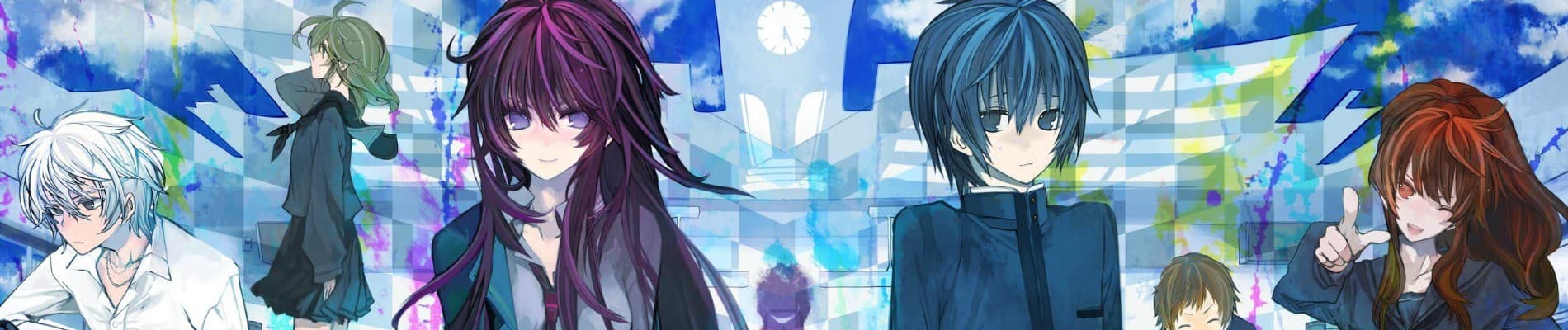
El arte de Tetsuo es genial para las portadas de los volúmenes o previo a los capítulos, una representación visual muy acertada de los problemas y consecuencias a causa de las cajas. En cambio los diseños de personaje son bastante comunes en el mal sentido, ninguno se queda en la memoria. Siendo otra razón para que únicamente su escritura sea lo que le brinda su fama.
Utsuro no Hako to Zero no Maria es una adictiva novela, con una temática definida y explorada por medio de sus personajes, es en la forma en que según las sensibilidades de su lector podrá aceptarlo hasta cierto punto, así que entiendo la discrepancia alrededor de su fama, entre quienes la tienen entre sus preferidas y los que opinan totalmente lo contrario.

English
First a clarification due to the type of work: I am not someone with experience in Light Novels, in fact, the present one is the only one I have finished because although I have read volumes of other series, they are franchises that I am still reading. My equivalent in terms of reading experience is Western literature, so due to lacking a specific critical framework for this type of novel, the values evaluated will be the same as those of a “any book”. If there is one thing I particularly regret, it is the inevitable “transformation of intent” due to being a double translation, from Japanese to English, and from English to Spanish, an observation not intended to disparage the work of either translator. It is part of the reader's acceptance that the translation has the highest fidelity to the source, however, I won't refer to specific terms at the prose level.
Utsuro no Hako to Zero no Maria is a light novel by author Eiji Mikage with drawing by Tetsuo. It is particularly famous despite not having any anime, manga or even Live Action adaptation. The first thing to note is the structure and presentation of the writing, the story has 7 volumes that are divided into 5 parts, in each part there is a “box” and according to its “nature”, the writing is adapted as an expression in itself of the intention of that stage.
The narrative basis are the “boxes”, a device/concept capable of granting wishes, or more specifically, a way to get them, for example, if the wish was to have meat, the box would give you a cow and a knife. Ultimately it depends on the vocation and dedication of the person who used it, to get his wish. It is an obvious theme, about desires and the price willing to pay to get it.

Throughout the course of the play, the halo of mystery about the origin or explanation behind the boxes or the nature of the antagonist is maintained, avoiding concise explanations in favor of defining and interacting with the characters, embracing how they relate to each other and their thinking, to understand the way they see and interact with the world.
Each main character goes through an arc of overcoming or acceptance encompassed in the overall theme of desires. An observation that includes those who appear in more than one volume or those who only belong to the development of one part. Of course, those who have a longer time of appearance have more interesting arcs, even so, several of the secondary characters will have an effect on future parts, alleviating how anecdotal they may have been.
By character and narrative arc we have a similar scheme, the box being the means for the character to not only take on the stubbornness to get his desire, but also must be used against the goals of the other characters. It is perfected each time it is used, achieving a story narratively consistent, coherent and with interesting symbolic elements for those who venture to give it meaning.

It brokes in the individual analysis of each arc, or rather, the reader's predisposition of acceptance towards it, the so-called “suspension of disbelief”. Each character begins with tropes familiar to anyone who knows the medium, be it the earnest student, the playful childhood friend or the exotic transferee; and they evolve as you visualize through their facade, a depth usually accompanied by “dark” attributes, to represent that this character “was not what he or she appeared to be”.
In other words, depending on your tastes, it could qualify as “edgy” and develop a certain bias against the narrative depending on your position on the subject. As the dimensionality of some characters is revealed, it will be within the reader's tolerance to remain immersed in the story, or to laugh if they already find the actions or thoughts ridiculous.
It may seem contradictory, I have referred to consistency and coherence, while talking about a narrative thread that more than once lost me. And it is because there is a justified logic to its actions, however bizarre they may seem to me, the play does not “jump the shark”, on the contrary, the cracking of its stereotypes is controlled from volume to volume. Perhaps its biggest drawback is precisely that it takes itself quite seriously, with monologues and speeches along the lines of traumas and conspiracies.

At the writing level, Eiji's main merit is the sense of rhythm, if you accept the proposal, you are at the mercy of a constant interest in knowing what will happen next, you could finish the volume in one sitting just for not giving in to not knowing what will happen. He also properly defines each character in how they interact, express themselves and think.
Tetsuo's art is great for the covers of the volumes or prequel to the chapters, a very accurate visual representation of the problems and consequences of the boxes. The character designs on the other hand are pretty average in a bad way, none of them stick in the memory. Being another reason why only his writing is what brings him his fame.
Utsuro no Hako to Zero no Maria is an addictive novel, with a defined theme and explored through its characters, it is in the way that according to the sensibilities of its reader can accept it to a certain extent, so I understand the discrepancy around its fame, between those who have it among their favorites and those who think the complete opposite.favorites and those who think the complete opposite.favorites and those who think the complete opposite.
