Fire Punch
a review by NapoJ
a review by NapoJ
La siguiente reseña está en Español e Inglés (traducida con el apoyo de DeepL)
La versión leída es la licenciada al español por “Norma Editorial”
La primera serialización de Fujimoto fue en la Shonen Jump+, y si bien en su día tuvo cierta popularidad, que influyó a que su próxima obra diera el salto a la revista principal, la mayoría de sus lectores y fanáticos lo ha descubierto en la retrospectiva, es decir, la curiosidad al haber leído la obra más famosa de Tatsuki y preguntarse acerca del predecesor. También fue mi caso, así que en cierto modo “estaba preparado”, lo que en sí mismo me causa cierta “lástima”, me perdí el desconcierto que debieron tener sus seguidores en ese momento.
Y no me refiero a la violencia ni similares, sino a la narrativa en sí misma. Sea con esta obra o con Chainsaw Man, conforme vas leyendo entiendes que eres incapaz de saber hacia dónde se dirige la historia. Las sabidas normas acerca de la construcción de un relato son rotas, y rotas con rabia, el personaje que parecía importante muere en el siguiente capítulo, el arco que iba a un dirección se dirige a otra completamente diferente, la lección aprendida es inmediatamente cuestionada; en un símil con respecto al protagonista sólo te queda continuar para saber qué depara el siguiente capítulo.
No insinuó improvisación, o que pretenda impactar por meramente hacerlo, conforme lees comprendes que la intención del autor siempre ha sido clara y consistente desde su primeros capítulos, vivir por el bien de hacerlo, por quienes conocíamos, conocemos y conoceremos. Fujimoto utiliza diferentes símbolos y temáticas para aderezar este camino, en su mundo conformado de mentiras, nos topamos con símbolos existenciales, transhumanos y hasta religiosos, en últimas utilizados para darle más impacto y alguna que otra lectura a los sucesos, pero no son abordados ni son igual de importantes a comparación de su núcleo humanista.

Así se comprende al enfoque narrativo, no está interesado en hacernos partícipes del mundo ni explicarnos cada uno de sus mecanismos ni dinámicas, sólo seremos testigos de la travesía de Agni, su cruzada por comprender el mundo en el que existe. Ligado a la convergencia del dolor, la esperanza del mañana y entendimiento de lo inentendible, se encuentran las películas presentadas a través de un personaje secundario, una marcada presencia cinematográfica que volveríamos a ver en algunas de sus próximas obras.
En Fire Punch, la película, es decir, el cine, es utilizado como una forma de dar significado a los sucesos aparentemente inconsistentes a través de asignarle una estructura narrativa con personajes definidos. Sea en su análisis literal o metafórico, la función del cine es una vía para comprender nuestra condición humana, un juego narrativo hasta “meta” con su propia condición de narración.
Lo cuál brinda la base para varios momentos cómicos que alivian en algo a la constante de dolor y sufrimiento, es en este punto que varios califican la obra de “Edgy” y comprendo ese razonamiento, más sabiendo la pretensión de la obra en aleccionar acerca del valor de la vida y el valor de vivirla, entiendo que debe llegarse al extremo de lo imaginable para transmitir la desesperanza. Y además, considero que alguien que únicamente se dedicará a “impactar por impactar”, sería incapaz de construir varias de las escenas de los secundarios en que se exploran sus dilemas más personales, como la identidad, donde sus temores y aspiraciones se desvelan sin aleccionamiento ni pretensiones, sólo son expresiones verbales sinceras.

En esta obra queda patente el desentendimiento de Fujimoto acerca de lo que es aceptable o no en una historia heroica; conviven en sus páginas incesto, canibalismo, venganza, conexión, esperanza, valor, interconectados por el mismo medio, la rabia, una rabia vigente desde la primera tragedia, una rabia que consume hasta el final, que se enfrenta y parece superarse para volver con más fuerza e ira, que convive a la par de su mensaje humanista, y de ahí se convierta en el encaje de sus elementos.
Su final es lo más cuestionable, hasta qué punto sea aceptado por el lector es muy dependiente de la posición del mismo en relación a lo que esperaba por su narrativa, y en mi caso, me ha parecido precisamente lo inesperadamente previsible. Valoro más la exhibición del puro Fujimoto en vez de algo más destilado, porque sigue presente el sello de identidad de autor que nos ha aleccionado desde los primeros capítulos, por lo tanto tampoco está fuera de tono respecto a sí mismo.
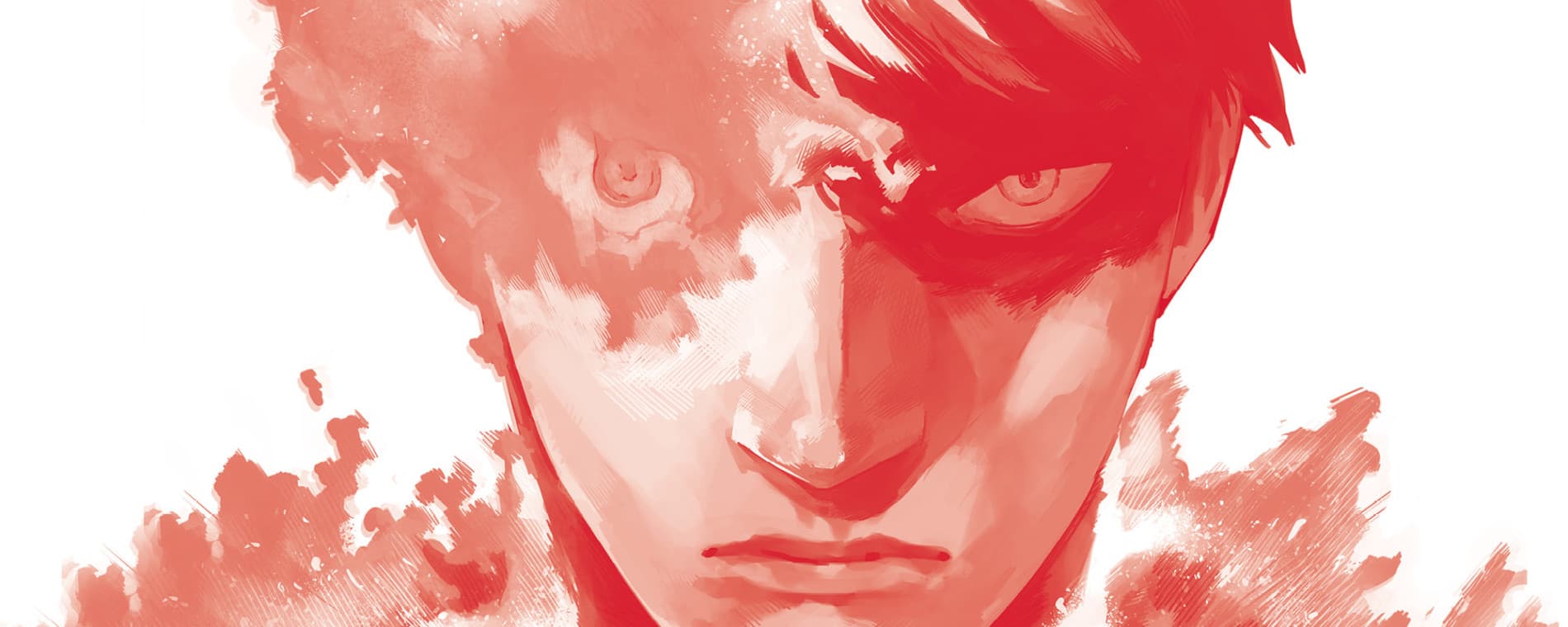
Su dibujo es el perfeccionamiento del estilo presente en los One Shots inmediatamente previos a la serialización. Reconocibles expresiones faciales ideales para representar el amplio repertorio de emociones de los diferentes personajes en sus varios momentos, en el enmaquetado y sentido del ritmo del enfocado a la acción es variante, tiene espectacularidad en la destrucción y violencia, a la vez que puede hacerse tosco en según qué momentos. Más considerando el alcance de la obra, y todos los diferentes momentos en ella, destaca su presentación para cada particular, sea en los instantes más personales en los que aísla al personaje para dejarle ser, mientras que en las batallas varía de ángulo según el que represente mejor el impacto y la fuerza bruta del movimiento.
El primer trabajo de Fujimoto lo sigo considerando el más genuino en cuánto a sus propios sentimientos, si bien en otros hay una reflexión acerca de las relaciones, de su trabajo y del proceso de creación, en Fire Punch es acerca de él mismo sin aún tener que corresponder a una presión ni expectativa fanática, sí bien seguramente debía responder a la revista, tenía la ventaja de un lugar de publicación con más libertad para presentar esa rabia de la forma en que quería. Un trabajo perfectamente imperfecto, todavía lo sigue siendo.

English
Fujimoto's first serialization was in Shonen Jump+, and while he had some popularity at the time, which influenced his next work to make the jump to the main magazine, most of his readers and fans have discovered it in hindsight, that is, curiosity having read Tatsuki's most famous work and wondering about the predecessor. That was my case too, so in a way I was “prepared”, which in itself causes me some “pity”, I missed the bewilderment his fans must have had at the time.
And I'm not referring to violence or the like, but to the narrative itself. Whether with this work or Chainsaw Man, as you read on, you understand that you are unable to know where the story is going. The known rules about the construction of a story are broken, and broken with rage, the character that seemed important dies in the next chapter, the arc that was going to one direction goes to a completely different one, the lesson learned is immediately questioned; in a simile with respect to the protagonist you are only left to continue to know what the next chapter has in store.
I did not insinuate improvisation, or that Tatsuki intends to shock by merely doing it, as you read you understand that the author's intention has always been clear and consistent since his first chapters, to live for the sake of doing it, for those we knew, know and will know. Fujimoto uses different symbols and themes to spice up this path, in his world made up of lies, we come across existential, transhuman and even religious symbols, ultimately used to give more impact and some other reading to the events, but they are not addressed nor are they equally important compared to his humanist core.

This is how the narrative approach is understood, it is not interested in making us participants of the world or explaining each of its mechanisms or dynamics, we will only be witnesses of Agni's journey, his crusade to understand the world in which he exists. Linked to the convergence of pain, the hope of tomorrow and the understanding of the incomprehensible, are the films presented through a secondary character, a marked cinematic presence that we would see again in some of his next works.
In Fire Punch, film, i.e. cinema, is used as a way to give meaning to seemingly inconsistent events by assigning them a narrative structure with defined characters. Whether in its literal or metaphorical analysis, the function of cinema is a way to understand our human condition, a narrative play to “meta” with its own narrative condition.
Which provides the basis for several comic moments that alleviate the constant pain and suffering, it is at this point that many qualify the work as “Edgy” and I understand that reasoning, but knowing the pretension of the work to teach about the value of life and the value of living it, I understand that it must go to the extreme of the imaginable to convey hopelessness. And furthermore, I believe that someone who would only dedicate himself to “shock for the sake of shock” would be incapable of constructing several of the scenes of the secondary characters in which their most personal dilemmas are explored, such as identity, where their fears and aspirations are revealed without pretense or pretensions, they are only sincere verbal expressions.

In this work Fujimoto's lack of understanding about what is acceptable or not in a heroic story is evident; incest, cannibalism, revenge, connection, hope, courage, interconnected by the same medium, rage, a rage in force since the first tragedy, a rage that consumes until the end, which is faced and seems to overcome to return with more strength and anger, which coexists along with its humanist message, and hence becomes the fit of its elements.
His ending is the most questionable thing, to what extent it is accepted by the reader is very dependent on the position of the reader in relation to what he expected by his narrative, and in my case, it has seemed to me precisely the unexpectedly predictable. I value more the exhibition of the pure Fujimoto instead of something more distilled, because it is still present the author's seal of identity that has taught us from the first chapters, so it is not out of tune with itself.
His drawing is the improvement of the style present in the One Shots immediately prior to the serialization. Recognizable facial expressions ideal to represent the wide repertoire of emotions of the different characters in their various moments, in the packaging and sense of rhythm of the action-focused is variant, has spectacularity in the destruction and violence, while it can become coarse at certain times. More considering the scope of the work, and all the different moments in it, highlights its presentation for each particular, whether in the most personal moments in which isolates the character to let him be, while in the battles varies the angle depending on which best represents the impact and the brute force of the movement.
Fujimoto's first work I still consider the most genuine in terms of his own feelings, while in others there is a reflection about relationships, his work and the process of creation, in Fire Punch it is about himself without having to respond to a pressure or fanatical expectation, although he surely had to respond to the magazine, he had the advantage of a place of publication with more freedom to present that anger in the way he wanted. A perfectly imperfect work, it still is.

23.5 out of 25 users liked this review
