La siguiente reseña está en Español e Inglés (traducida con el apoyo de DeepL)
La versión leída es la licenciada al español por “Norma Editorial”
Medio año después de haber finalizado el primer arco de Chainsaw Man, Fujimoto sorprendió con la publicación de un nuevo One Shot, que tomó desprevenidos a quienes no estaban familiarizados con sus comienzos (es decir, la mayoría). Recuerdo el día de publicación por la disparidad de opiniones que leía en mi TL, mientras los autores japoneses dedicaban todo tipo de elogios, en Occidente la reseña promedio estaba en la línea de un “está bien” a secas.
Y puede que se debiera a la sorpresa, Look Back está en la misma línea del One Shot de Sisters en vez de la locura y rabia de Fire Punch y CSM. Más íntima, de prácticamente dos personajes, su relación y cómo a su vez se vincula con el elemento en común, el arte, específicamente el manga. Actualmente con la popularidad y buen recibimiento de la película, y gracias a su próximo famoso One Shot, quien se acerca a Look Back puede que le suceda lo contrario, estar sobrepasado de expectativas.
Lo cierto es que fuera en su salida o en la actualidad, Look Back sigue siendo la misma historia, una que no le sobra ni le falta nada. Su duración es perfecta porque aún si no sobrepasa las 140 páginas, tiene diferentes temáticas e ideas que permiten obtener diferentes mensajes según el ángulo, puede que varios se concentren sobre su reflexión acerca del arrepentimiento, otros sobre la nostalgia y en mi caso, y el de varios, el punto central es el mismo arte entendido como el proceso de creación.

Fujimoto no es ningún prodigio, no es Picasso quien a los 8 años dominaba técnicas de pintura, es la protagonista (no en vano, su nombre está dividido en ambos personajes). Quien tenía la afición de dibujar más le faltaba la experticia y técnica que sólo se consiguen a través del esfuerzo, basta con leerle desde el comienzo para apreciar en cada trazo actual la ingente dedicación invertida.
Y esa es la principal razón en que haya gustado tanto a sus congéneres artistas, es una historia personal que conecta con sus colegas porque les recuerda a sí mismos. Sin ser despectivo es entendible que haya una notable diferencia de apreciación entre quienes crean, en este caso dibujan, y quienes sólo consumen, aún si entienden la teoría y aprecien, hay cosas que sólo llegan a comprenderse estando en el puesto, habiendo pasado por lo mismo, para conseguir la mirada de empatía nacida del entendimiento.
Pero no implica que la historia únicamente quede en esa representación de hechos comunes, toma otro paso porque el proceso de creación no es sólo la práctica, nace de algo más profundo, es originado en la motivación por ser creado. La pregunta recurrente en la historia es “¿Por qué dibujas?”, aún si ocasiona arrepentimiento, dudas, tristeza y separación, aún si suponemos un camino alterno en que “Y si no lo hubiera escogido”, en la respuesta de Fujimoto seguiría conllevando a lo mismo porque, no únicamente pero en sí parte, es quienes somos y hacemos lo que somos.

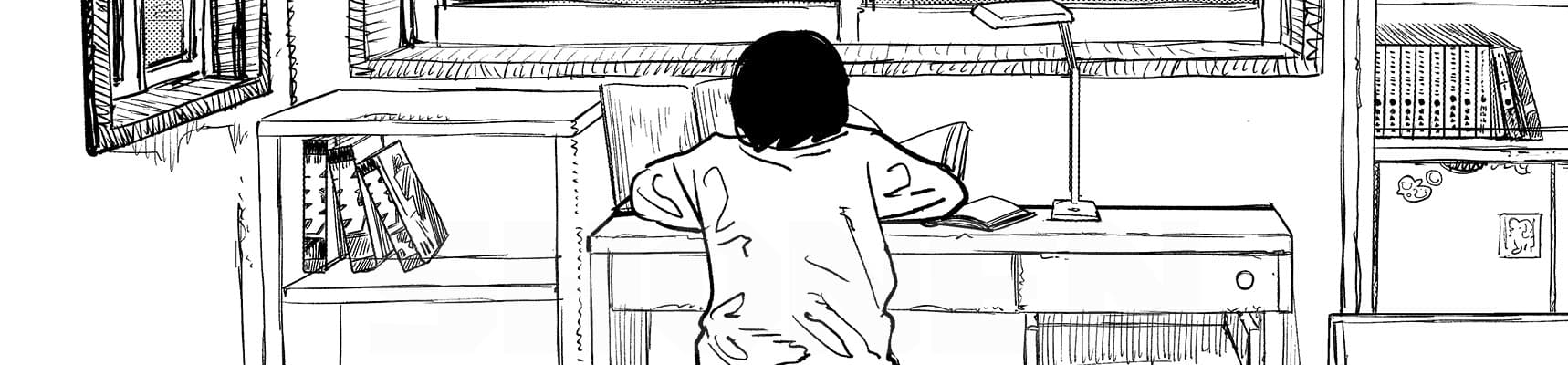
El mismo título se explica a través de diferentes prismas, como el sentimiento nostálgico acerca del pasado al releer una vieja historia; o la visual referida al lector estar viendo numerosas veces a la protagonista agachada en su escritorio, desde el primer momento y en su último instante.
Es un “aspecto cinematográfico” que ha estado perfeccionado trabajo a trabajo, en que utiliza el panel como un montaje para expresar cambios a través de los años. También se representa en otros momentos, en que realiza justo lo contrario, dibujar a detalle todo lo sucedido para elevar la trascendencia de ese instante.
Justo como la otra protagonista, encerrada en su cuarto practicando a cada momento ha sido como Fujimoto ha creado su estilo tan representativo en cuánto a las expresiones de personajes, capaces de decir más que cualquier diálogo, de saber como ubicar a ese dúo respecto al entorno, y del detallado de sus alrededores.
Look Back en su sencillez de planteamiento permite que quién quiera ahondar pueda hacerlo, inmiscuirse todavía más en el significado del talento, la inspiración y el arte, de trazar la casualidad, puede que no tan casual, de haber sido publicado en una fecha conmemorativa en que recordamos el fatídico ataque sufrió Kyoto Animation, de entender cómo quienes más se deshacen en elogios son otros dibujantes, quienes tienen la urgencia de coger un lápiz y crear porque la acción en sí misma es respuesta la recurrente pregunta:
¿Por qué dibujas?

English
Half a year after finishing the first arc of Chainsaw Man, Fujimoto surprised with the publication of a new One Shot, which took by surprise those who were not familiar with his beginnings (that is, most of them). I remember the day of publication because of the disparity of opinions I was reading on my TL, while Japanese authors were devoting all sorts of praise, in the West the average review was along the lines of a flat “it's okay”.
And maybe it was due to the surprise, Look Back is in the same vein as Sisters' One Shot rather than the madness and rage of Fire Punch and CSM. More intimate, of practically two characters, their relationship and how it in turn ties into the common element, art, specifically manga. Currently with the popularity and good reception of the movie, and thanks to its upcoming famous One Shot, whoever approaches Look Back may find the opposite to be the case, being overwhelmed with expectations.
The truth is that whether it was when it came out or today, Look Back is still the same story, one that lacks or lacks nothing. Its length is perfect because even if it does not exceed 140 pages, it has different themes and ideas that allow to get different messages depending on the angle, some may focus on his reflection on regret, others on nostalgia and in my case, and that of many, the central point is the same art understood as the process of creation.

Fujimoto is no prodigy, it is not Picasso who at the age of 8 mastered painting techniques, it is the protagonist (not in vain, his name is divided in both characters). Who had the hobby of drawing but lacked the expertise and technique that can only be achieved through effort, it is enough to read him from the beginning to appreciate in each current stroke the enormous dedication invested.
And that is the main reason why his fellow artists have liked it so much, it is a personal story that connects with his colleagues because it reminds them of themselves. Without being derogatory, it is understandable that there is a notable difference of appreciation between those who create, in this case draw, and those who only consume, even if they understand the theory and appreciate, there are things that can only be understood by being in the position, having gone through the same, to get the look of empathy born of understanding.
But it does not imply that history remains only in that representation of common facts, it takes another step because the process of creation is not only the practice, it is born of something deeper, it is originated in the motivation to be created. The recurring question in the story is “Why do you draw?”, even if it causes regret, doubts, sadness and separation, even if we suppose an alternative path in which “And if I had not chosen it”, Fujimoto's answer would still lead to the same thing because, not only but in part, it is who we are and we do what we are.

The title itself is explained through different prisms, such as the nostalgic feeling about the past when rereading an old story; or the visual one referring to the reader seeing the protagonist crouched at her desk numerous times, from the first moment and in her last instant.
It is a “cinematic aspect” that has been perfected work by work, in that it uses the panel as a montage to express changes over the years. It is also represented in other moments, in which he does just the opposite, drawing in detail everything that happened to elevate the transcendence of that instant.
Just like the other protagonist, locked in her room practicing every moment, Fujimoto has created his style so representative of the expressions of the characters, capable of saying more than any dialogue, of knowing how to place the duo in relation to the environment, and of the detail of their surroundings.
Look Back in its simplicity of approach allows whoever wants to delve deeper to do so, to delve even deeper into the meaning of talent, inspiration and art, to trace the coincidence, maybe not so casual, of having been published on a commemorative date in which we remember the fateful attack suffered by Kyoto Animation, to understand how those who most lavish in praise are other cartoonists, who have the urge to pick up a pencil and create because the action itself is the answer to the recurring question:
Why do you draw?

31 out of 31 users liked this review
