
This review contains spoilers
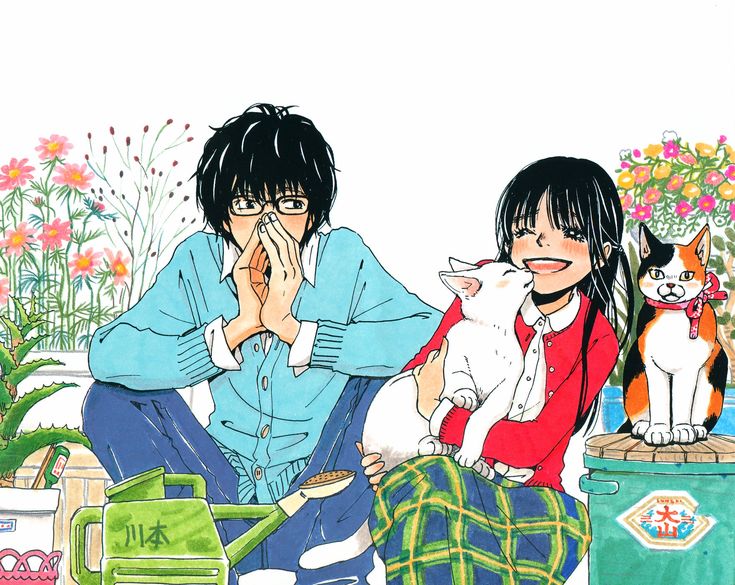
“March Comes in Like a Lion” by Chica Umino is a Slice-of-Life Drama with a Psychological Coming-of-Age as well as Found Family theme about a prodigy Shōgi player by the name of "Rei Kiriyama", our Main Character. This manga right here portrays one of the BEST journeys of the struggles of loneliness and grief as well as self-healing and human connection I've ever seen. However, this isn't a journey of just one person. Join me in the experience of enjoying every single character of the main cast in this lovely manga and analyzing them.
This review will be focused on the characters as I think they deserve a thorough analysis and interpretation with a lot of respect and attention, so buckle up!
_____
Short summary of the start of the manga:
Spoiler, click to viewclick to hide
We're first introduced to the main character Rei Kiriyama, who lives alone in an apartment in an industrial part of the city called June Town in Tokyo and plays professional Shōgi. Quickly after, we are informed by the fact that Rei is an orphan child whose parents have died. After the death of his parents he was taken in by Masachika Kouda, who's becomes Rei's foster father. Rei and Kouda are united by their obsession with the board game of Shōgi. Rei's foster father Kouda also had 2 other children, Ayumu Kouda and Kyouko Kouda, who were raised and taught Shōgi by their father. However, Rei was a child prodigy at the game and quickly won his foster father's love, making Kyouko and Ayumu feel like he favoured Rei over them, his real children, making them hate Rei. This leads to Rei feeling guilty and loathing himself, which leads to him leaving his house at an early age and renting his own apartment with his money from Shōgi. However, Rei forgets depressed and self-loathing side temporarily when he visits the Kawamotos. The Kawamotos are 3 sisters: Hinata, Akari, Momo, and their grandpa Someji. When Rei visits the warm and cheerful Kawamotos, he becomes happier and gradually warms up to them, starting his journey of healing from his trauma and his emotional growth.“March Comes in Like a Lion” heavily focuses on the main characters of it's story and their monologues, so I'd like to talk about them and state my opinions on them + adding my favourite quotes to each character:
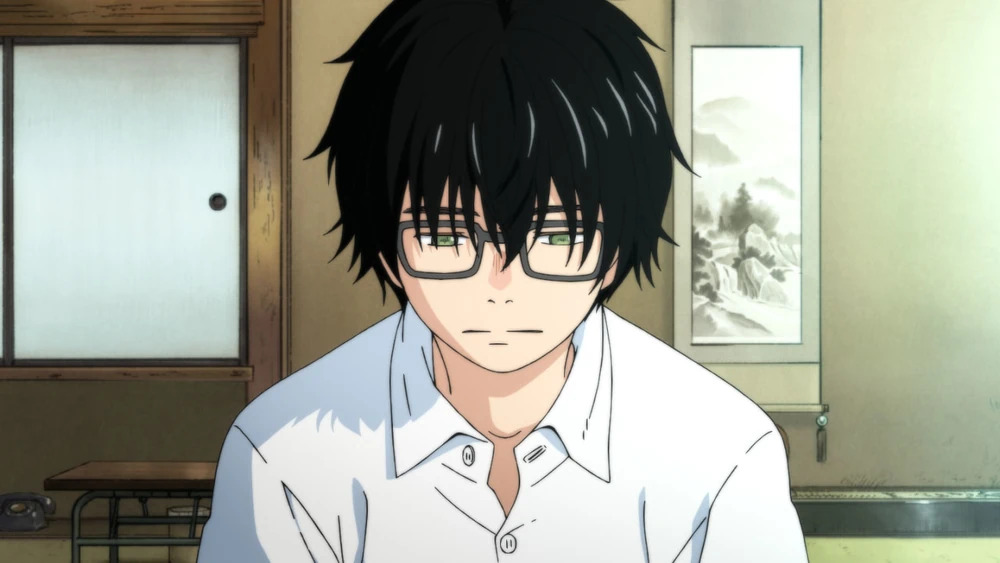
Rei Kiriyama:
A 17-year-old professional teenage Shōgi player who struggles with depression and anxiety. He has difficulties connecting to other people and suffers from past trauma. Despite that, he is a very talented Shōgi player with a sharp, analytical mind. He has nothing but Shōgi, so most his life revolves around it. After he meets the Kawamotos, he begins to heal and learn to build connections with others, leading to his emotional growth and happiness as a person.
Rei has one of the best character developments in fiction. At the start of the story he practices Shōgi alone, eats alone and sleeps alone. He is isolated from society and this has effect on his ability to interact and build connections with other people. He suffers from extreme guilt about his family's death and only him surviving, as well as ruining relationships in his new foster family, so he moves out and subconsciously starts self-loathing. He has nothing but Shōgi, and he states multiple times early on that if he loses Shōgi that he'd "have nothing else and be worthless", developing extreme anxiety and lack of self-worth over time. This is portrayed in the manga and anime by the "shadow" or the "darkness" that narrows his vision at times. However suddenly, in that darkness of Rei's life, a flicker of hope emerged out of nowhere: The Kawamotos.
As Rei begins spending more time with the Kawamotos, he slowly starts learning how to reconnect with the world outside of Shōgi. Their kindness and affection challenges his belief that he is undeserving of love. Through these warm interactions, Rei rediscovers the importance and comfort of human connections.
One of the most realistic and beautiful aspects of Rei's development is that it's not a linear development. He relapses into loneliness, struggles with the pressure of performing in his Shōgi matches and he has doubts about whether he deserves all the affection he has been receiving. However, each setback is met with support from his friends and peers.
There is one more aspect about Rei I want to talk about, but I will mention it later in the review as I feel like it deserves it's own section.
Favourite Quote:
“I'm an idiot. I'm even bad at being depressed.”
“And to this small heroine who never gave in, no matter how much she cried or suffered, I made another promise and a little oath of loyalty to myself”
“I say I have no reason to win, but why is it so painful when I lose? I am so half-hearted about everything.”
I'm gonna cry man 😭
Her nature and behaviour not only consistently provides a source of warmth and acceptance for Rei, but her attitude and insistence in the Bullying Arc that she did nothing wrong quite literally HEALS his trauma, making it one of my favourite scenes in the entire series. In that Arc, she makes his feelings of protectiveness and empathy much stronger as her situation makes Rei want to confront his passivity and take action against the trauma he had once suffered himself. Furthermore, her bravery to stand up for her friend teaches Rei to not avoid conflict, but to face it and realize that what he is doing is NOT wrong. Through Hina's strong values and sincere feelings that she consistently shows, she becomes Rei's emotional "light" that gives him warmth and hope, so he starts to look up to her and admire her. She becomes, as Rei calls her, "his saviour" and the two slowly start to bond and eventually end in a romantic relationship as both realize their feelings for each other to be more than just close friends.
10/10 one of the best relationships written in manga EVER in my opinion.
Favourite Quote:
“I won't regret it one bit! I can't! Because I know that what I did was definitely not wrong!”
“This time is precious. But it’s flowing onward, and I can’t stop it.”
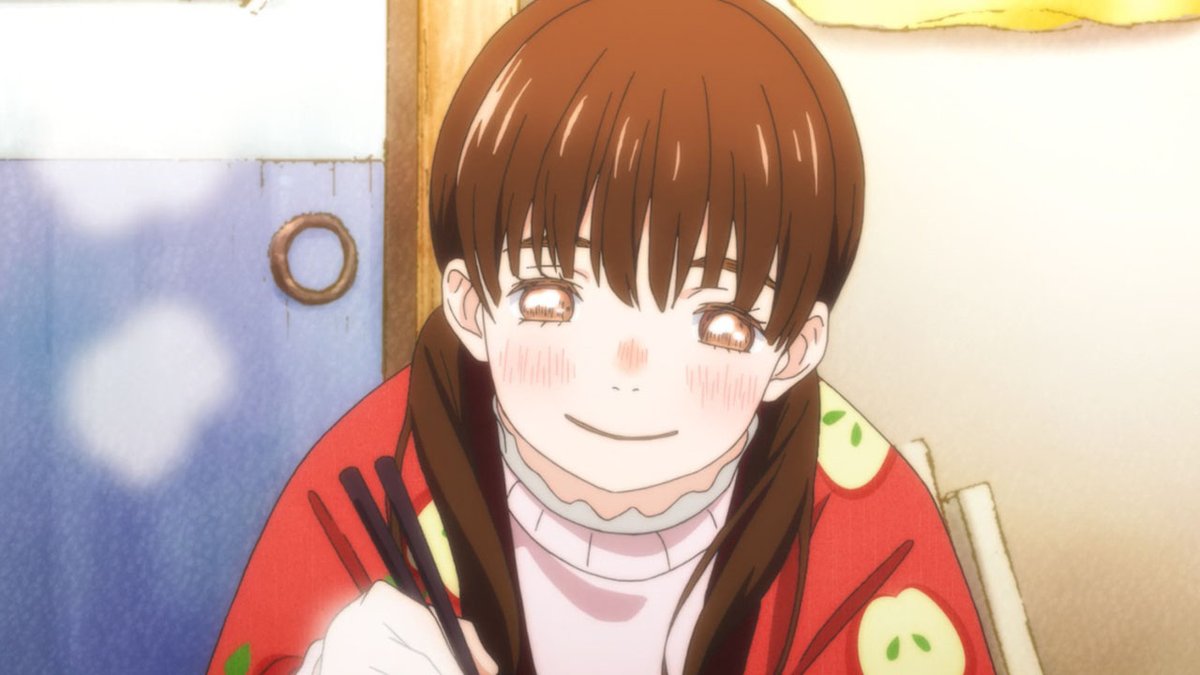
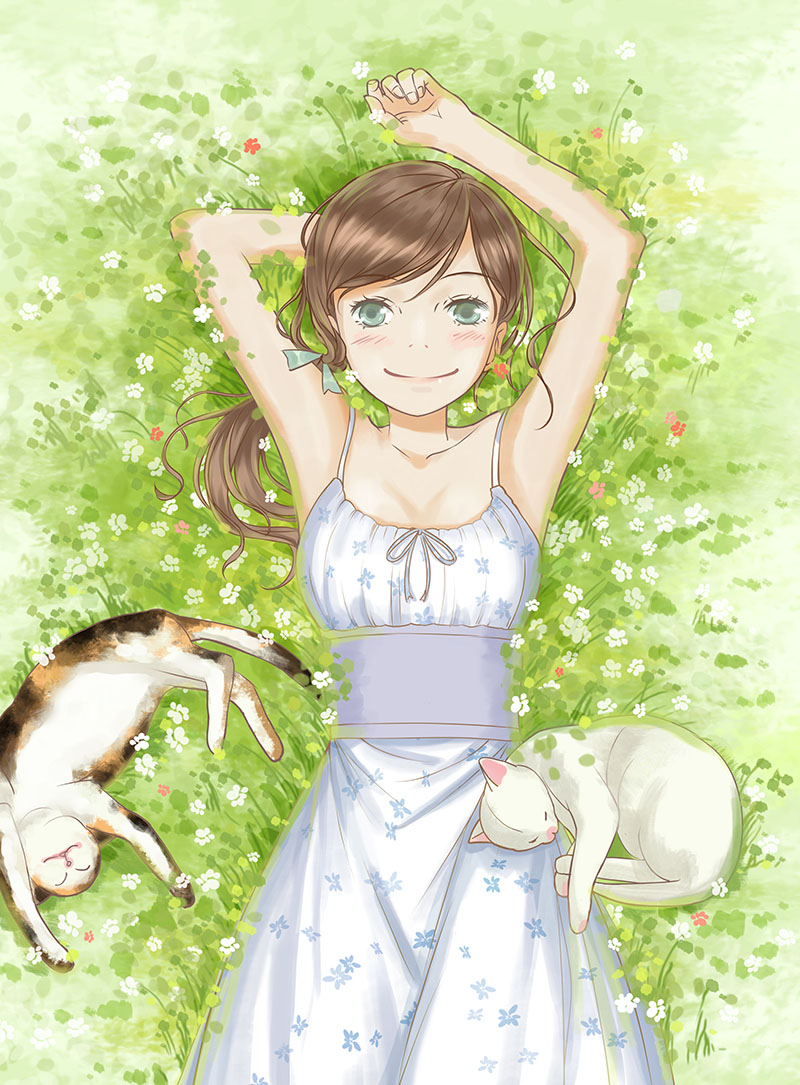
Akari plays a very important role in the story: She is the first adult to genuinely care for Rei and treat him with warmth and kindness without expecting anything in return after his biological parents die. She intends to make him “fluffy” throughout the series by feeding him warm meals and providing emotional support & a place he can always turn to, which does work as the ice around Rei eventually starts melting. She sacrifices a lot of her time and effort into caring for others, making her an incredibly empathetic and selfless character that I personally love a lot.
Favourite Quote:
“You don't have to be alone anymore. You have us now.”
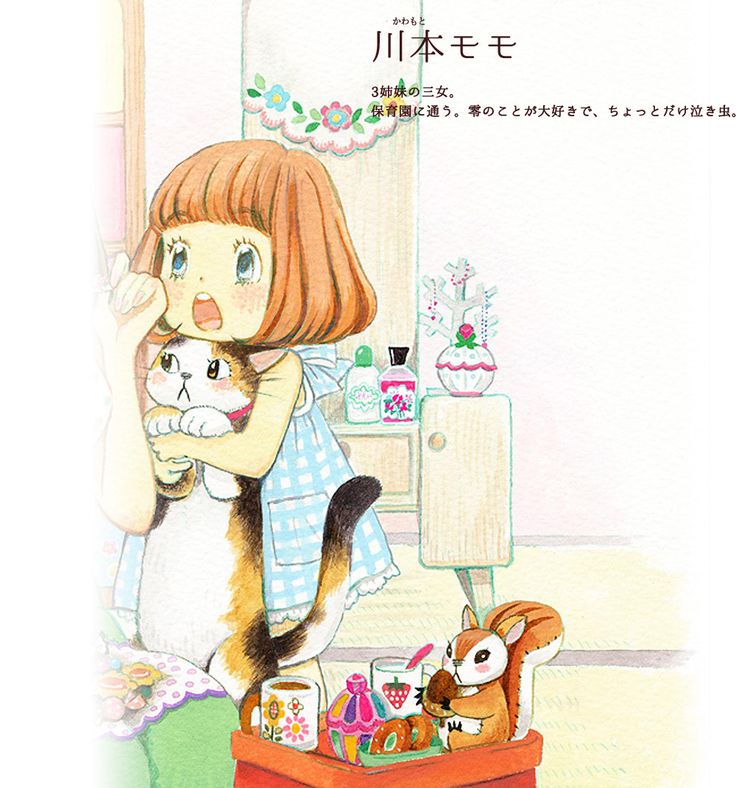
Favourite Quote:
“Milk Pudding!”
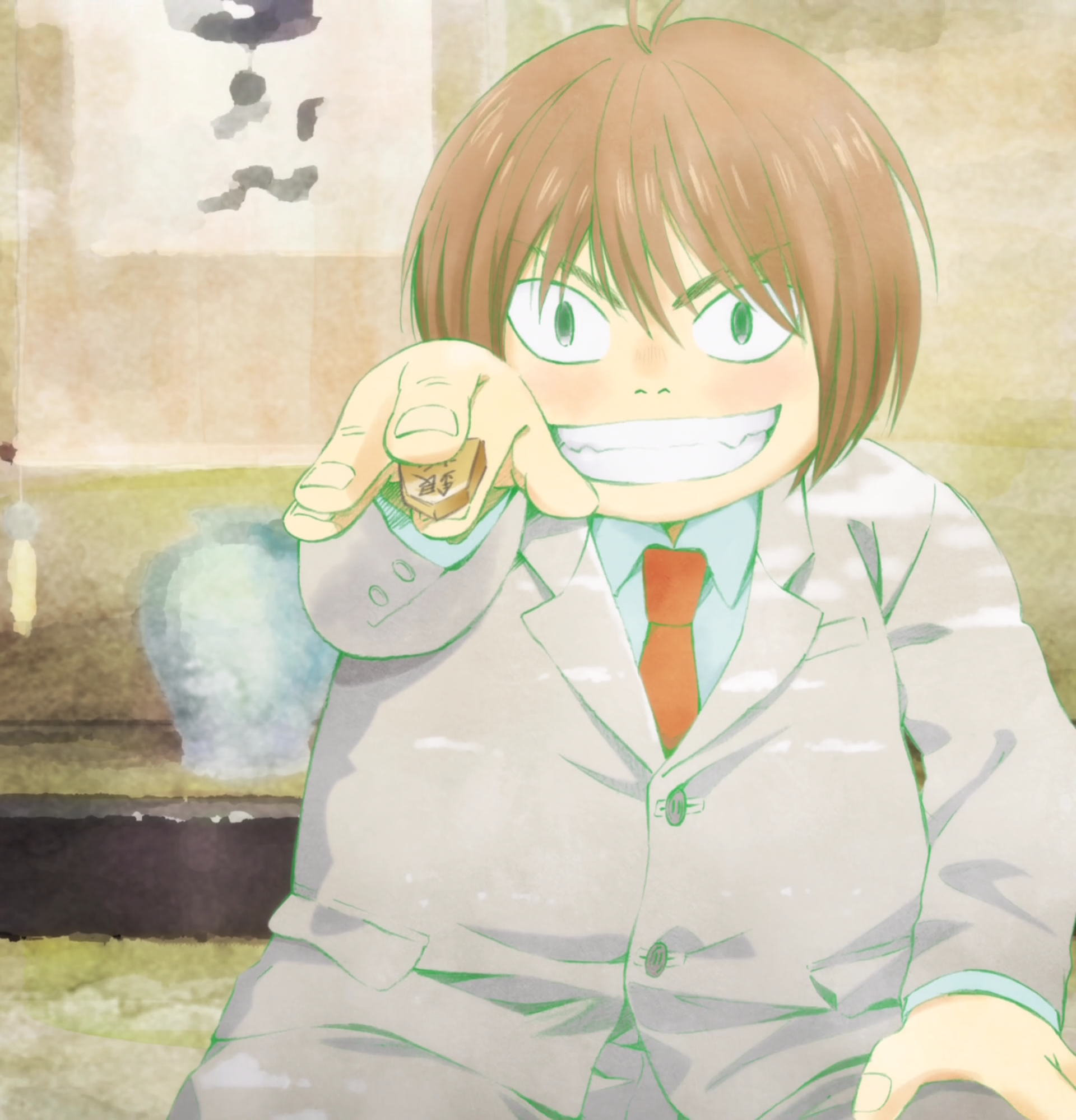
Nikaidou's character is basically the polar opposite of Rei. He is very loud, extroverted and speaks his thoughts openly. His rivalry with Rei only highlights the Yin & Yang they are, both supporting and caring from each other from a young age. Their dynamic is so fun and really uses the full potential of Nikaidou's character. He always lightens up the mood and tries his hardest to win in Shōgi and write "history" with Rei. His passion despite his unfortunate illness is so inspiring, no matter how restricted he is and how many times he loses because of an illness out of his control, he never gives up. He embodies the idea that you have to face your struggles onwards and prevail instead of running away and ignoring them, which Rei in the earlier part of the series had done. Despite his silly and unserious nature around his friends, he is quite mature and knowledgeable, especially in the Souya vs. Shimada Arc, when he tells Rei to get used to the atmosphere of the big matches and to stick close to Shimada to make him feel their support, also showing his natural empathetic and kind side.
His interactions with characters are never boring, he's one of my favourite characters
Favourite Quote:
“If I won, I'd be so happy, and if I lost, I'd feel so frustrated. And devouring both, we moved forward. We'd alternate being the sun and the moon as we made our way to where we are now.”
Kai Shimada:
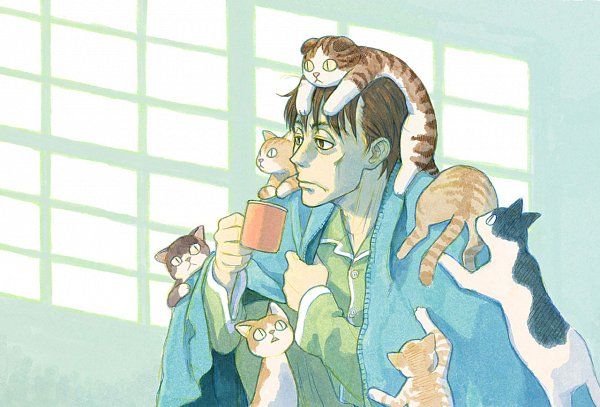
Kai Shimada is a professional Shōgi player and one of the most important people in Rei's life, playing the role of his Shōgi mentor. He is quiet and sensible person that's extremely dedicated to Shōgi. He represents an adult that Rei learns to admire: Someone who keeps fighting despite his pain, failure and pressure to perform over the years.
Shimada's story is my 2nd favourite in the series. Shimada isn't as talented as Souya or Rei. His strength comes from his pure obsession with Shōgi and his ability to clench his teeth and continue fighting through his suffering. He sacrifices a lot of his life all in the dreams of achieving a title in his career, to not let down those who have put their faith and trust in him. While he initially sees those expectations as a burden, he turns them into motivation and drive to not break after his losses, but to harden further and keep fighting. His character arc is genuinely SOOOOOOOOOOOO interesting and well written that it'd be a shame if I spoiler it here since it includes the recent chapters of the manga, so I'll hold off. PLEASE PLEASE PLEASEEEEEEEEEE read it if you haven't.
Favourite Quote:
"The me who couldn't become a professional and moved back to the countryside.
The me who risked everything to make it this far and now faces four losses in a row.
Which one is the nightmare? I'll find out seeing through the end"
The BEST written Shōgi character after Rei!!
Shōgi: Symbolism for every character
Umino-sensei uses Shōgi as the core literary technique to shows us an extension of the personality of each professional Shōgi player in the series. Through Shōgi, we are able to see the non-spoken emotional state, struggles as well as personal growth of different characters, such as Rei, Nikaidou or Shimada. It's a brilliant technique that makes scenes with Shōgi matches entertaining to read even if you are not particularly interested or don't understand the game, taking you through various experiences and backstories of characters.
Shōgi often mirrors what the character's mental state or current feelings are, and that is especially noticeable with Rei Kiriyama: In the earlier chapters, Shōgi is only a means of survival and his only place where he can prove his worth, and in his matches there was a "Darkness" that narrows his vision and pressures him. He also tended to go into matches with negative feelings and a stoic look on his face, even going as far as not being sure whether Shōgi is fun to him. It directly reflects what his life was like back then—dark, lonely and suffocating. Shōgi is synonymous to his life, so when he says that he doesn't care about losing in the earlier chapters, for me it directly translates to him saying that he doesn't mind losing his self-worth as he feels it's pretty much non-existent. But as time goes on and he grows emotionally and starts building bonds with people, he begins feeling happier and liberating himself from all his negative feelings, which is displayed in his Shōgi: He becomes frustrated when he loses and incredibly happy when he wins, his Shōgi becomes more creative and fun, he has different facial expressions in matches such as visibly being excited in his match against Nikaidou or being visibly unhappy when he was losing the advantage in his latest match against Shimada. It directly shows his growth as a person that has come to understand his inner feelings and find his passion for Shōgi, realizing that it isn't just a means of survival for him, but an obsession with a game he has come to love despite his past trauma. This narrative symbolism using Shōgi is also used for a variety of other characters, like Nikaidou or Shimada, which gives us a more expanded insight on their characters.
Art:
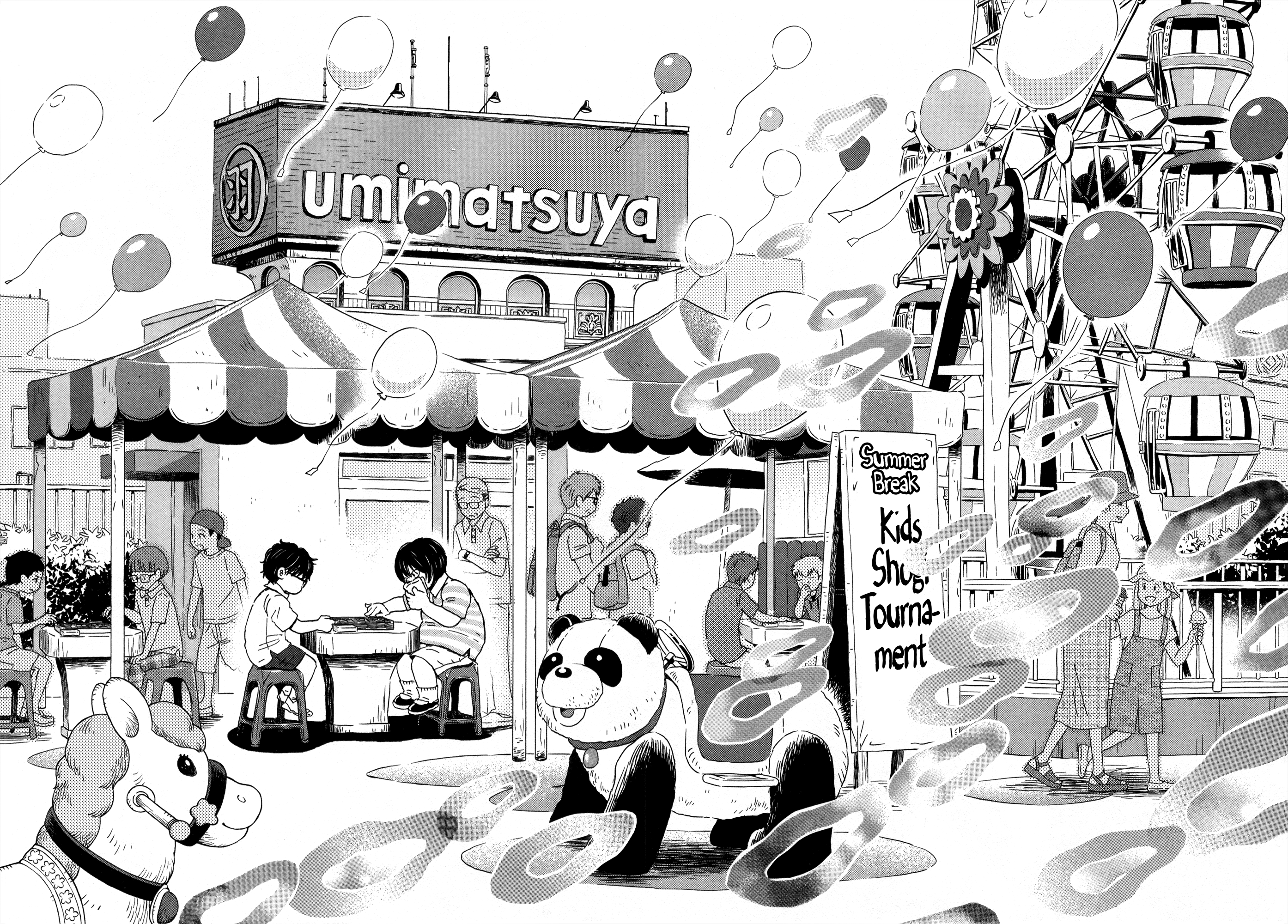
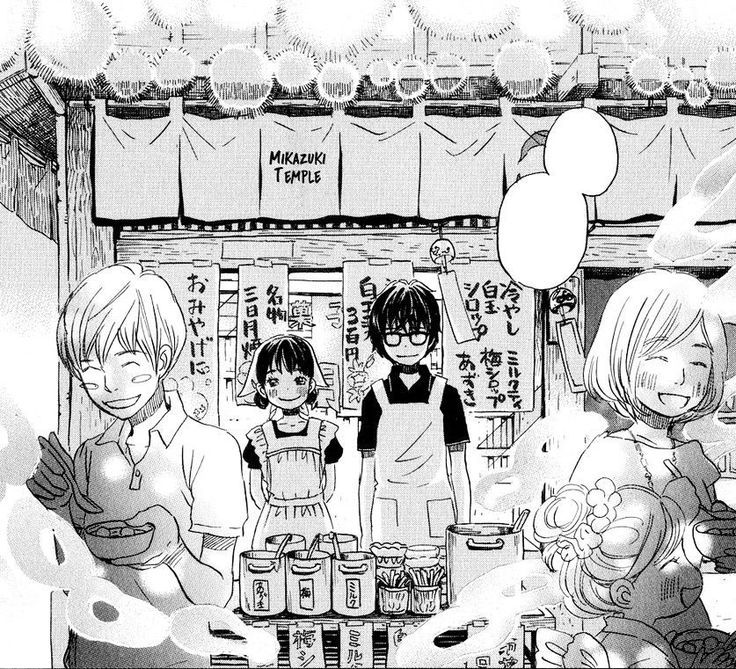
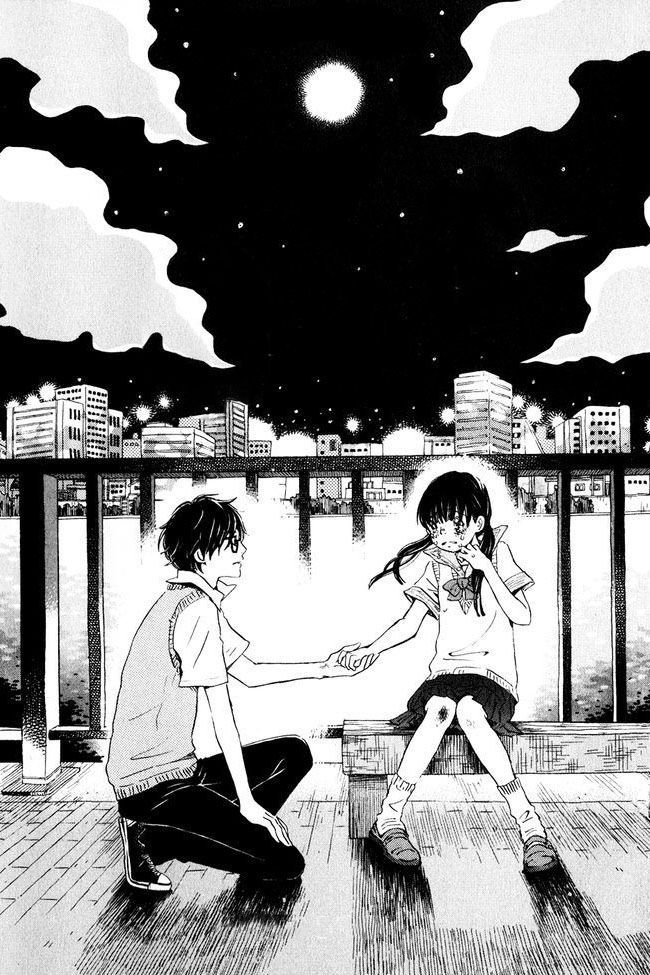
I personally LOVE the art of "March Comes in Like a Lion". The distinct artstyle of Umino-sensei heavily focuses of showing the faces of the characters and their expressions, which does a fantastic job for a story that focuses on human emotions and personal growth over time. It has this fairy tale looking backgrounds that give off a warm and comforting feeling to the reader. I kinda forgot to take screenshots while reading the manga lol, so here are some I found on the internet
 ____
____Personal Opinion:
Personally, I love this manga with every fibre of my being. It is the best when it comes to the psychological and character development area and it does a FANTASTIC job in portraying the journeys of the characters. I love how it shows both sides of the story for everything, it doesn't try to show unrealistic stories or unnatural developments, instead it tells a story of how a broken child that has suffered from enormous guilt and trauma can still turn his life around and find meaning and happiness in life. It shows that through perseverance and the will to change you can find a path leading to a better life. It is a story that shows the ugly and beautiful sides of humans, it shows the hardship of journeys but also the beauty of the result coming from it, it shows how cruel loneliness can be as well as how comforting company can be, and that growth is not a linear progress, but a journey with ups and downs. Life can't be calculated. Make the most of your life, love your friends and family, enjoy your passions.
"At that moment as I saw her declare that through sobs,
it felt like I was struck by lightning.
It's strange...
even after so much time has passed,
someone can save you,
coming in like a storm from a completely different direction"
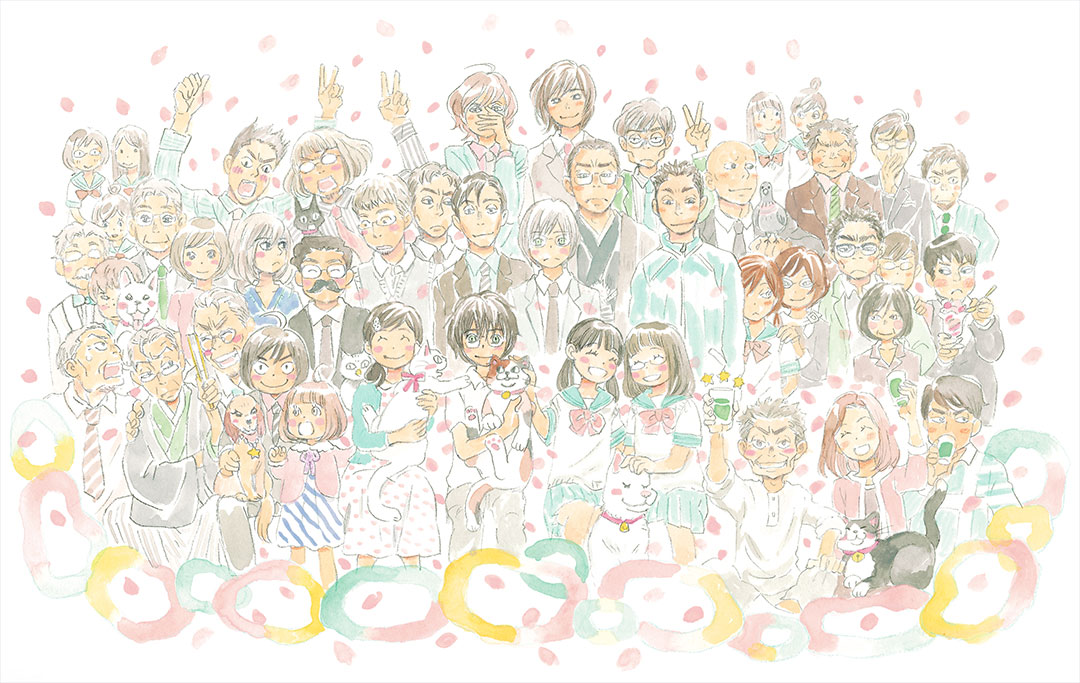
This manga is the kindest gift from Umino-sensei to readers in the form of a warm hug for those who need it.
 ____
# Conclusion:
All in all, this manga is life-changing and one of the most beautifully written pieces of fiction about self-healing and rehabilitation I have ever read. If you haven't read this yet, what are you even doing?
____
# Conclusion:
All in all, this manga is life-changing and one of the most beautifully written pieces of fiction about self-healing and rehabilitation I have ever read. If you haven't read this yet, what are you even doing?