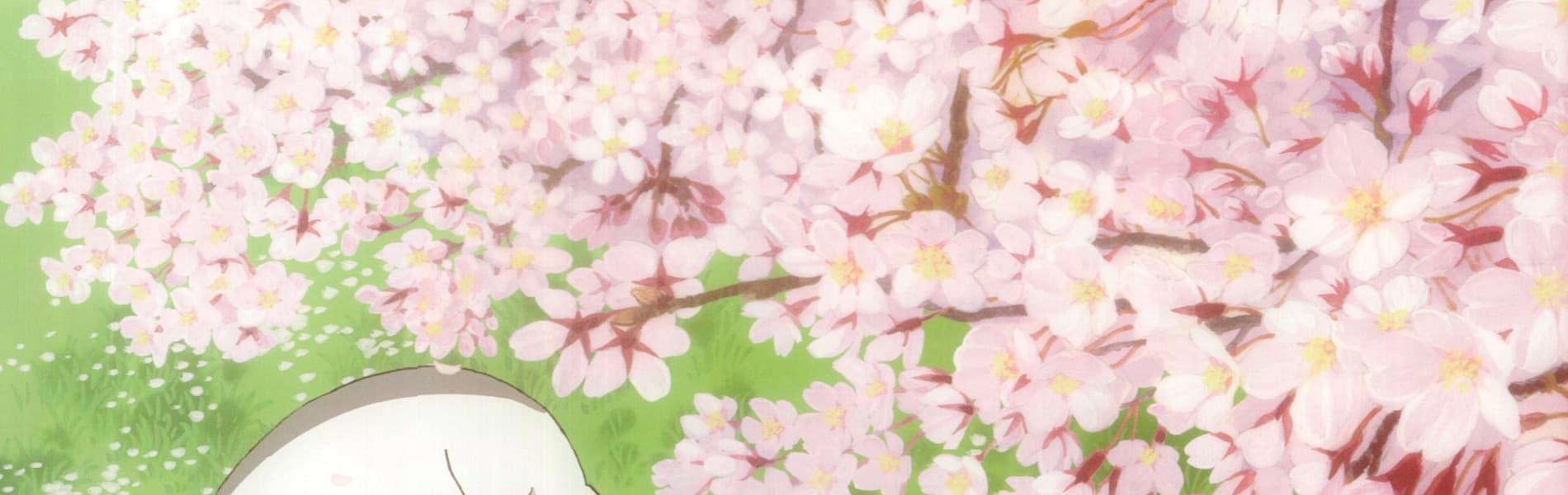
The series follows the everyday life of a young, fifteen-year-old boy named Natsume Takashi who inherited the ability to see and interact with yōkai, or spiritual and supernatural beings, from his late grandmother Reiko. As we tag along for the journey, we will witness him experience many things, such as loneliness, bullying, loss, friendships, the burden of responsibilities he never asked for, and much more. The series is filled with breathtakingly contemplative motifs that tackle serious elements with heart-warming empathy and grace, as well as the bitterness of reality. It instils into the watcher as much sorrowful emotional depth as it does feel-good, fluffy ones because at it’s core the series is built upon the fundamental beliefs of Japanese Buddhism: that life is suffering and that everything in life is impermanent.
The Four Noble Truths of Buddhism, regardless of the specific sect, all focus on the fact that life is suffering in one way or another, and that that suffering isn’t a permanent entity. They include:
1.) Life is Suffering, whether that suffering is subtle or more prominent, it’s always there. Even when you feel completely happy and at ease, beneath that joy, there will be an air of suffering to one degree or another.
2.) The Causes of Suffering almost always stems from craving and fundamental ignorance. People suffer because they are unable to see that we are not separate, independent individuals that leaves no effect on others around us; there’s this delusion of ego that we focus in on that is selfish.
3.) The End of Suffering arises when we realise that suffering is inherently temporary, like clouds that pass over our heads in the sky. Even though the clouds are always there, they are constantly moving, changing, and shifting.
4.) The Path is just living as a decent and ethical human being. Learning to be wiser about the decisions that we make and the negative emotions that we use to inflict pain and suffering upon others.
In season one of Natsume Yūjinchō (the Romanised version of the Japanese title), we are introduced to these precepts, particularly the first one, very early on. We see it in Natsume himself as he struggles with terrible loneliness and the fear of abandonment due to his special abilities. People see him as strange and weird and constantly make fun of him for being an eccentric outsider whose family doesn’t want him (schoolmates) or they hand him off to the next family willing to take him in so they don’t have to deal with a bizarre orphan kid (relatives). This is the epitome of prominent suffering. The kid is also constantly being chased by scary monsters and he has no idea why. The concept of joy is virtually alien to him.
When he encounters Madara, otherwise known as Nyanko-sensei, they formulate an accord due to certain circumstances. However, no one could ever have imagined that this simple contractual relationship would turn into a powerful symbol of everlasting friendship that would eventually cause them to Enlighten one another.
In the second percept, Buddhists learn that suffering is caused from desire, or cravings. One of the things that Natsume yearns for more than anything else is acceptance. He wants to be accepted by a family and finally have one to call his own, and he wants to be accepted by people around him so he’ll know what it’s like to have friends. Over time these wants fall into the territory of unfulfilled dreams. Having been neglected and hated, he concedes to the fact that there are some things he can’t have in life. His acceptance is the third noble truth. By acknowledging that he does suffer and that suffering is just a part of life, he was finally ready to learn what it felt like to end his suffering. Enter Madara.
Through their accord, they begin to live together and spend most of their waking time with one another. Through everyday interactions of walking to school or sharing meals, an intimacy between them starts to take root. It is one of compassion, understanding, and respect. Slowly, like those shifty clouds that I mentioned earlier, Natsume’s loneliness and longing start to wither away. There is a comfortable companionship that fulfils the emptiness and the ache within his heart. They then began their journey with Noble Truth Number Four: being better, wiser individuals.
Natsume’s wisdom stems from his interactions with other yōkai. The deeper his understanding of suffering and its many forms becomes, the more that he learns and grows as a person; the more that he realises the world isn’t about “I” or “me,” it’s about the people—living and corporeal, and non-living and non-corporeal—that inhabit the world together. The very same can be said about Madara. Through watching Natsume’s compassion at play in situations where his (Madara’s) way of dealing would be a quick and decisive one, he becomes enlightened to the human condition of suffering and mind-blowing ideal of mercy and forgiveness and trust.
Throughout the series, we encounter various yōkai, one after another, who also encapsulate the Buddhist ideals of Suffering and Impermanence, it’s not jut limited to our two main characters. It is quite literally in every episode with every arc that is presented to us, thus making it the basic foundation of every other theme and motif to follow suit.
Hishigaki was a very gentle and caring yōkai, as well as a terribly lonely one. Then one day she met Reiko and suddenly she didn’t feel as alone anymore. When Reiko leaves, Hishigaki is left waiting for a very, very long time. When she stumbles across Natsume, mistaking him for Reiko, she comes to learn that Reiko has passed. Hishigaki’s loneliness lasted for a horribly long time, but it wasn’t permanent. It came to an end, unfortunately so did those moments of reprieve that she felt. Hishigaki is also a prime example of suffering to the extreme because when her loneliness did return, it consumed her.
Hinoe would be another great example that follows in the same line as Hishigaki. Hinoe holds on to a single hairpin with such vehement adoration. When the hairpin gets stolen, Hinoe is utterly devastated. That small item is a reminder to Hinoe of something very precious that she lost; a keepsake of the impermanence of life, death, and even affection. After Reiko assists Hinoe, she comes to love Reiko very dearly, which once again changes many years later when she encounters Natsume.
Lastly, as far as yōkai goes, there is Madara, or Nyanko-sensei. His past is mostly a mystery for the vast majority of the series. The only things that a person can truly gauge about him is that he shares a similar loneliness with Natsume, as well as a demeanour in which he wishes to protect himself from emotional heartache. He keeps everyone at a distance to a certain point. The suffering he feels is very self-inflected, at least in regard to the chains he has around his heart. But the more time he spends with Natsume and the more people and yōkai that they help, the warmer and kinder he becomes, at least towards his human companion. That misery and isolation that he underwent for who knows how many years, was ending. The tides of suffering shifted. He learned that while it is an essential part of existence—supernatural or natural—there are many sides to it, and not all of them have to be forever.
Natsume’s Book of Friends is my favourite slice-of-life serial of all-time and it forever shall be. Watching this series, specifically as a Buddhist, I grew to love and respect it for the wisdom that laces every chapter and every episode. Additionally, it helped me develop a deeper and sincerer appreciation for things such as friendship, family, compassion, companionship, and the power of pacifistic and selfless co-existence—elements that I take with me everywhere outside of the vibrant animation and soulful instrumental music of the anime, or the intricate and stunning designs of the manga. The lessons taught and the knowledge obtained are gems that I have never received from anything else that I have ever seen or read. Natsume’s Book of Friends has shown me that, yes, life is jam-packed with suffering and pain and sorrow, but it doesn’t last forever, and that gives me more hope and inspiration than I could ever ask for.
10 outta 10.
92.5 out of 94 users liked this review