It's become well-known that Japan is fixated on isekai. The rules regarding the isekai differ depending on the work, but they all embody the idea of touching on another world in some form. On paper, there is nothing wrong with such a concept. In fact, this type of story framing has been around for hundreds of years. Many western classics like Alice in Wonderland and Wizard of Oz also touch on this concept. It's a tool designed for escapism, and it rightfully works to varying degrees depending on the work. I get the appeal, but it often leaves much to be desired on my end. So, how does KamiHiro fare against the tidal wave of isekai that has placated the masses over the years?
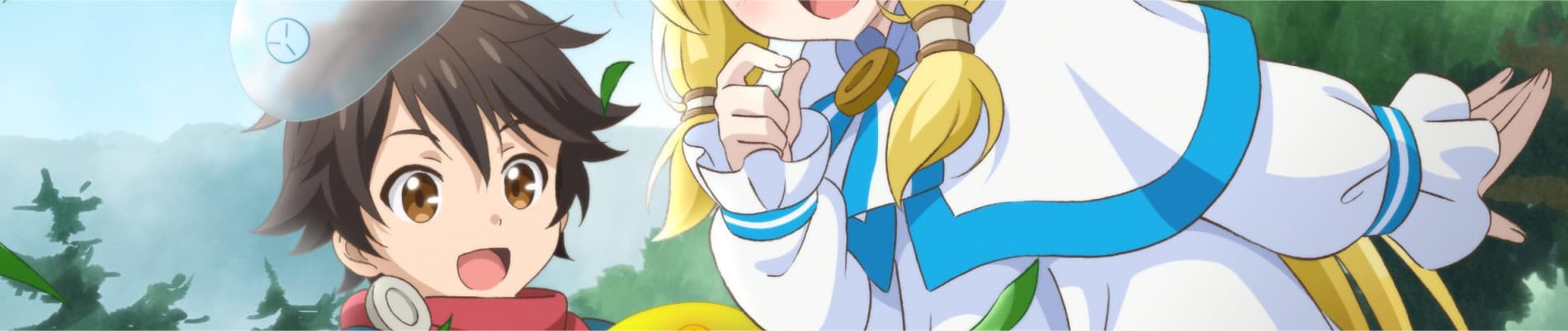
On the surface, it's pretty much like the typical isekai. The MC is noticeably overpowered and everyone points out his amazing feats. However, that's where the commonalities end. The series doesn't feature harems or even romance for that matter. Most of the series explores the fantasy world, especially in regards to the varying uses of slimes for an improved standard of living. It centers around a guy named Ryouma, except the story itself is catered moreso towards commentating on Japan's oppressive work culture.
The world of Sail Fall is quite different from our own world. It contains no oppressive multinational corporations or safety nets designed to benefit the average worker. It's a world where most people are totally at the mercy of their employer, but everything remains strangely idyllic. Magic exists, but there's very little practical use of magic. Enter Ryouma. He observes that people are annoyed with slime stench on their clothes and armor, so he opens up a laundromat service. He notices that his employees had to travel from distant cities to work, so he offers them to live in-house. He remembers the painful experiences that brought him to this world, so he gives his employees vacation time even though they were content with working without breaks. Ryouma perfectly understands the struggles of Japan's oppressive work culture, so he actively attempts to address this issue. Ultimately, this is still a wish-fulfillment fantasy. This show never pretends that it isn't, but is that necessarily a bad thing in its own right?
The show's biggest appeal is exploring the pains of modern Japanese society and how life can be better if people were actively concerned for others. Ryouma's second life becomes something where people reward him for the stuff he missed in his former life. He is appreciated for his work, and he gets joy out of actively helping others. He makes bonds with the folks around him and have them support his growth. This may all seem normal, and it honestly should be. But it isn't. If Ryouma represents the average person, then the show says a lot about how welcoming others with kindness can fundamentally change people for the better. The fundamental idea behind KamiHiro is one of healing. It's not designed like a typical iyashikei, but it still effectively works as one since it explores an otherwise ideal life that most people should strive towards.
It's also worth noting how the show touches on the concept of slimes. They are generally regarded as insignificant creatures. Many of them may have astounding talents, but they get written off as low-level monsters. In fact, they are so unimportant that most people are totally unaware of their practical uses. Cleaner slimes didn't exist until Ryouma tried putting his slimes to good use. One particular blood slime was so undervalued that its owner drank himself to tears from lack of prospective buyers until Ryouma bought it off his hands. I hope someone notices the connection I'm making here.
This mistreatment of slimes is essentially the same disdain that Japanese society has towards its workers. Upon arriving at Sail Fall, Ryouma began taming hundreds of slimes and cared for them all. He dotes on them and treats them beyond their outwardly insignificant demeanor. He sets up an environment for them to actively put their talents to good use. The slimes are otherwise nameless and faceless, but Ryouma cares for all of them like irreplaceable family members. In essence, he created a positive environment built from genuine kindness. The message is powerful and needs to be emphasized.
Beyond its thematic exploration, the characters are also surprisingly endearing. Ryouma's new family effectively takes him in and cares for him. The bond between him and Eliaria is noticeably sweet as they genuinely care for one another. She also happens to be quite skilled in her own right, like the scene where she successfully tamed a rare bird. It's pleasant enough to come off as cute without any overbearing moments from the supporting cast.
Ultimately, the show surprisingly had plenty of genuinely positive aspects. I love how it explores working environments and the necessity of kindness in everyday relationships. The iyashikei aspect might turn some people off, but I genuinely find it endearing. It's far from perfection, but I can't deny that I found this relatively delightful.
63 out of 68 users liked this review