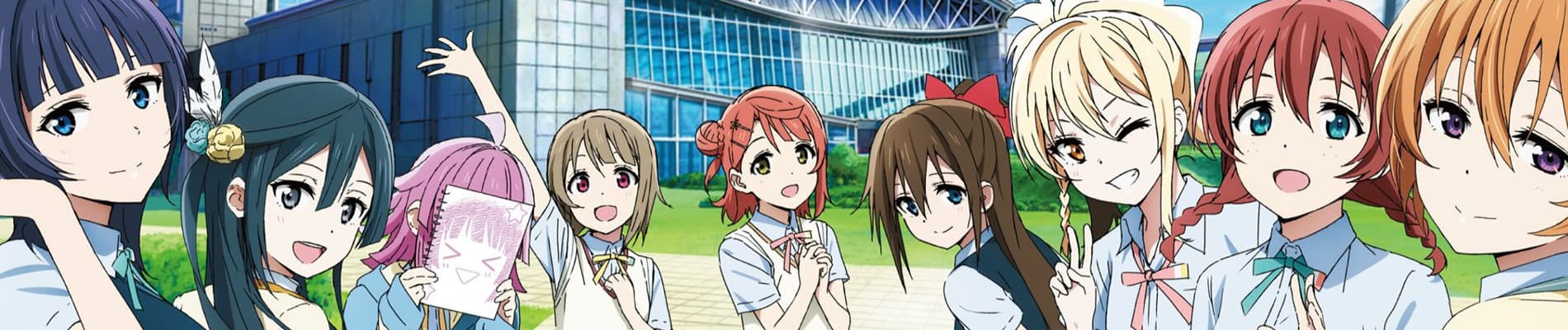
Nijigasaki was undoubtedly the most original and unique member of the Love Live franchise, for the first time, their idols don't perform as a group, but as nine individual Solo Idols, each shining with their own unique spark. It brings about the catalyst for originality that this series wasn't able to execute with its predecessor Sunshine, and it paves the way for the most original, well-rounded character development this series has seen so far.

Plot
As I mentioned earlier, I believe that Nijigasaki has the most well fleshed-out plot of all of the Love Live franchise so far. Why do I say this? Because it no longer clings to the past. Sunshine suffered a lack of originality because like its fanbase, the producers couldn't move on from the original Love Live, that is why Sunshine's plot revolved around Aqours trying to find their own individuality. However, here, there is no mention of previous groups, Nijigasaki starts from a completely clean slate and tries to establish their status from the ground up. They don't even attend Love Live, the namesake school idol competition. Instead, they create their own Festival, the School Idol Festival, as a celebration of the joys of Music through Idols. This unique premise immdiately screams to the audience that they are not like their predecessors—they are new.
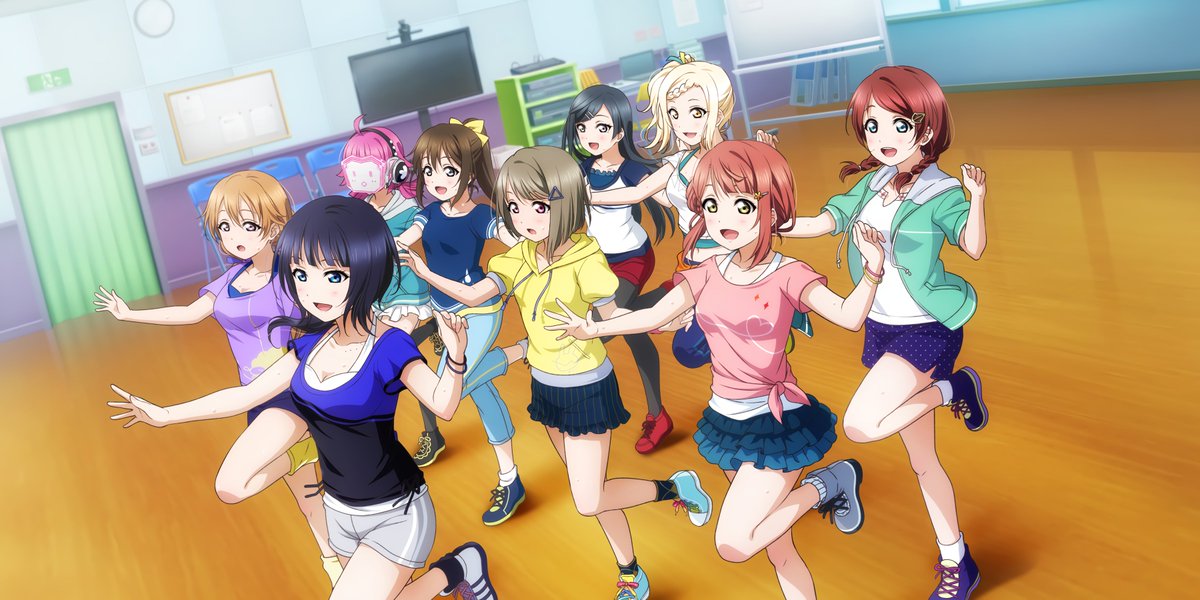
As for the actual progression of events itself, it takes on a different style because of the individuality of each idol. Nijigasaki's selling point is that they are unable to operate as a joint group because of their clashing personalities, that is why they operate as solo idols. We spend the first 9 episodes of the show seeing just why that is how this club operates, I'll be diving into more detail about the intricacies later, but with 9 episodes gone, all that's left for Nijigasaki to do was blend them together to see how they interact, right? Wrong, totally wrong. Instead of taking the predictable approach of melding the 9 solo idols, the anime instead decides to now cast its light on the protagonist Yuu. Who, since she isn't an idol, has been out of the spotlight this whole time. The show paints how the progression of these idols' personalities have caused a rift in Yuu and her childhood friend Ayumu, and graciously paints a clean and heartwarming resolution to this conflict. Just in time for the collection of all the personalities to amass in the highly anticipated School Idol Festival on the last episode. It created for a satisfying and well-felt end to the entire series, and only leaves the viewer yearning for more.

Characters
This iteration of Love Live, as I mentioned, has the most rounded out cast of characters I've ever seen. They are introduced in a manner such that players of the gacha/rhythm game School Idol Festival All Stars would instantly be able to insert into, but also in a manner so that newcomers to this series would also be able to instantly see their uniqueness. I'll go over them one-by-one.
While Yuu herself only received character development when her childhood friend Ayumu did, she's technically the insert persona of us, the player from All Stars, where this series originated. She's a catalyst for change, and since she's not an idol, its the best they can do.
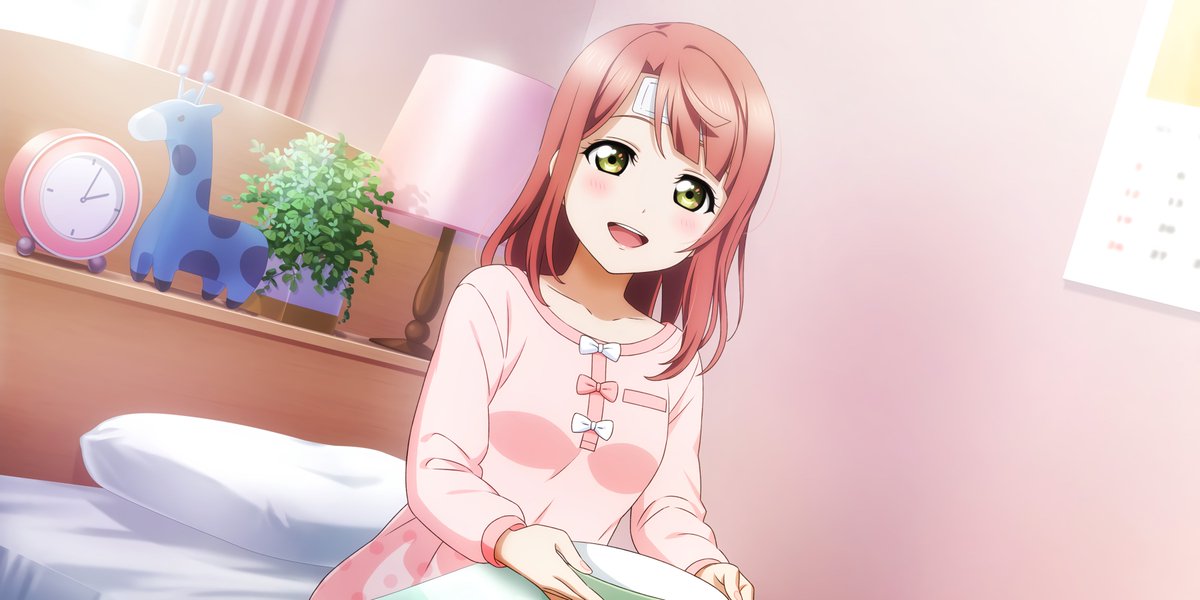
As Yuu's childhood friend, Ayumu easily recieves the most development out of all of the idols, her personality paints her as this shy yet sweet cinnamon roll who relied on Yuu to lead her to her passion of School Idols, as Yuu gets more heavily involved in the Club, Ayumu goes through a metamorphosis, painting her new individuality while also a gratefulness of Yuu's help to her all this time. Her innocent personality combined with her reliance on Yuu makes for a character arc that tugs at your feels stronger than any character arc in the series.
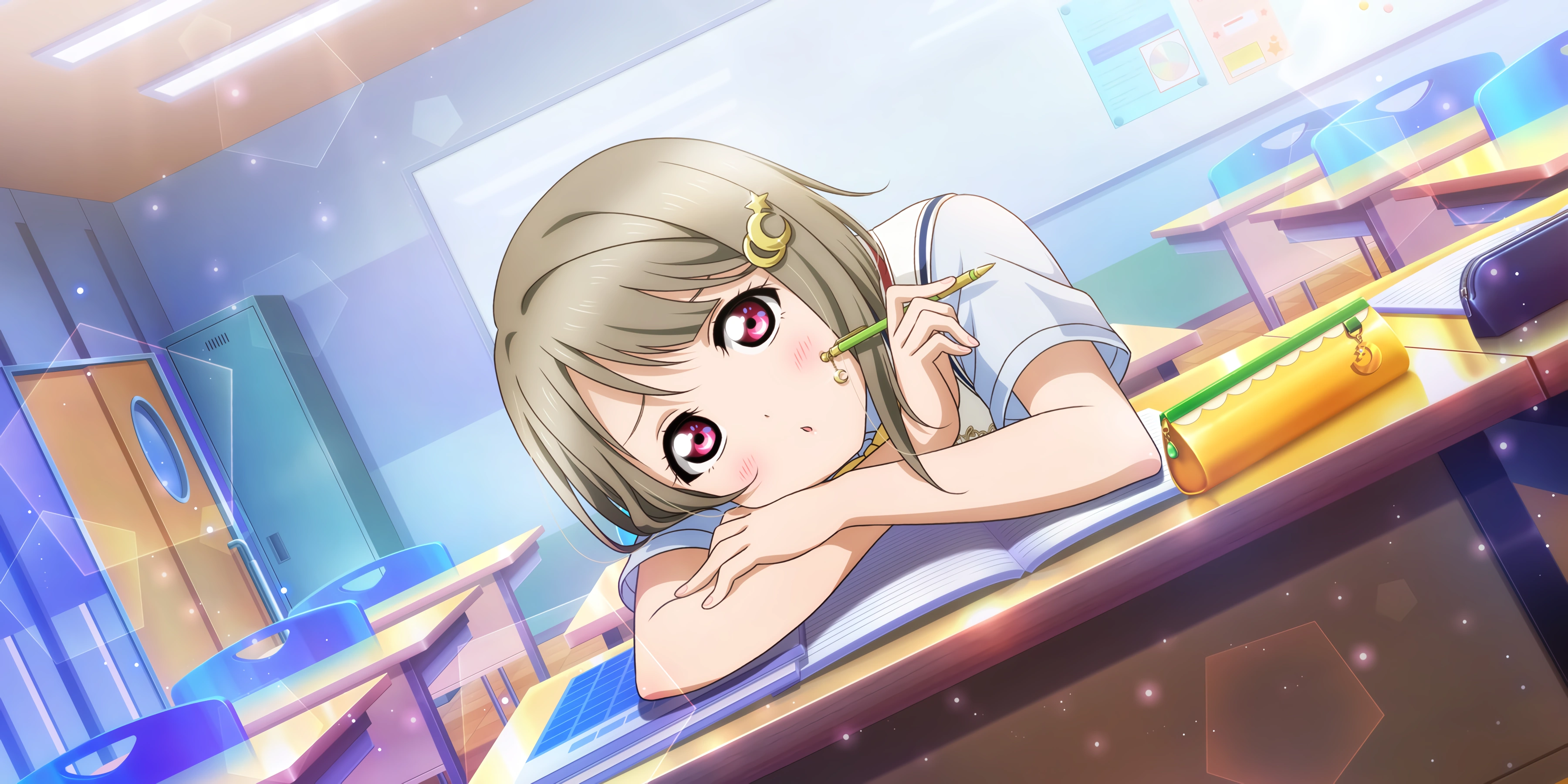
Kasumi remains, as I unfortunately must point out, a bit left out. Her character arc revolves around her and Yuu attempting to revive the defunct School Idol Club, while also illustrating Kasumi's goal of becoming the cutest school idol around. While her arc itself isn't that great, the style of her personality made her a second coming of the meme goddess Nico Yazawa herself and quickly placed her as the prime candidate for many of Love Live's running jokes, such as the infamous photobomb and her Kasumi box
Setsuna's arc revolves her two conflicting identities within Nijigasaki, as the head of the Student Council Nana Nakagawa, and as the dominant school idol Setsuna Yuki. In her arc we see Yuu help her manage the conflicting personalities her two identities demand while also re-embracing her passion of singing as a school idol. Her insert song reflects this, as it is riddled with large jumps across entire vocal ranges. As a musician myself, I know that making a vocalist jump distances Setsuna jumped in Dive! was mostly taboo until the modern era of music, and even still is only cleanly executable by very profoundly talented singers. Which adds to her status as a well-established school idol.
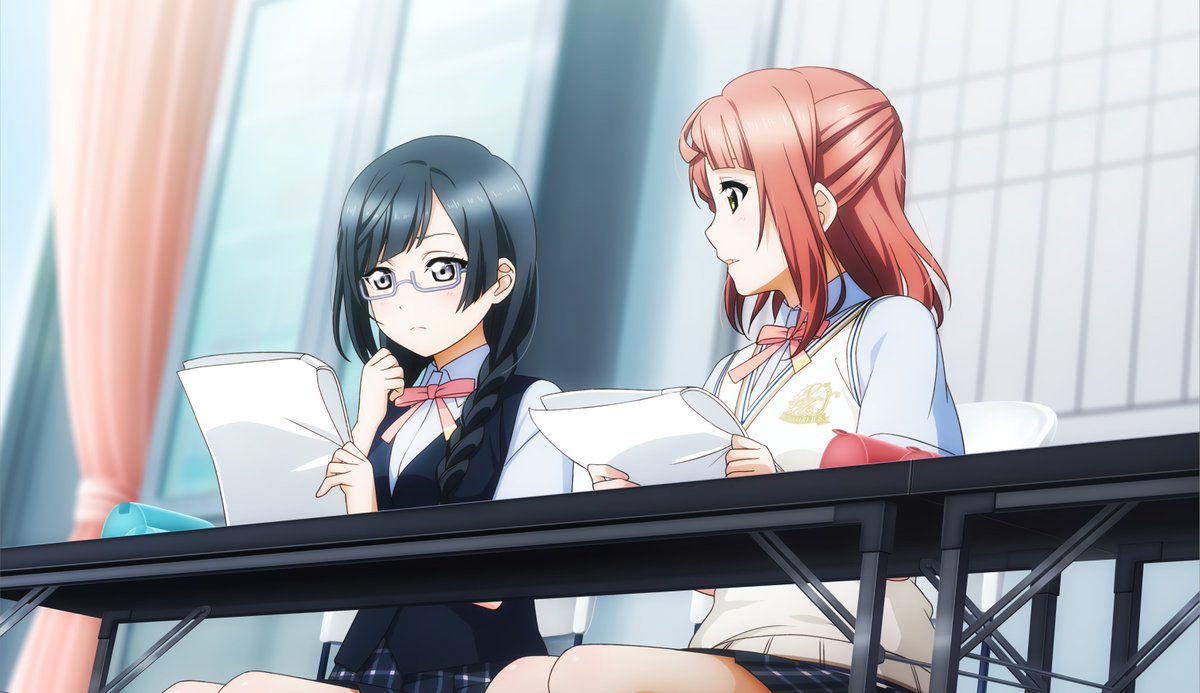
Ai's arc talks all about how she orbited the club as a helper from behind the scenes, there to try to get her friend Rina to become an Idol, but eventually fell a bit too close to the planet that is Idols. It paints a vivid picture of how she should try stuff for herself as well instead of always helping others for the sake of being a nice person.
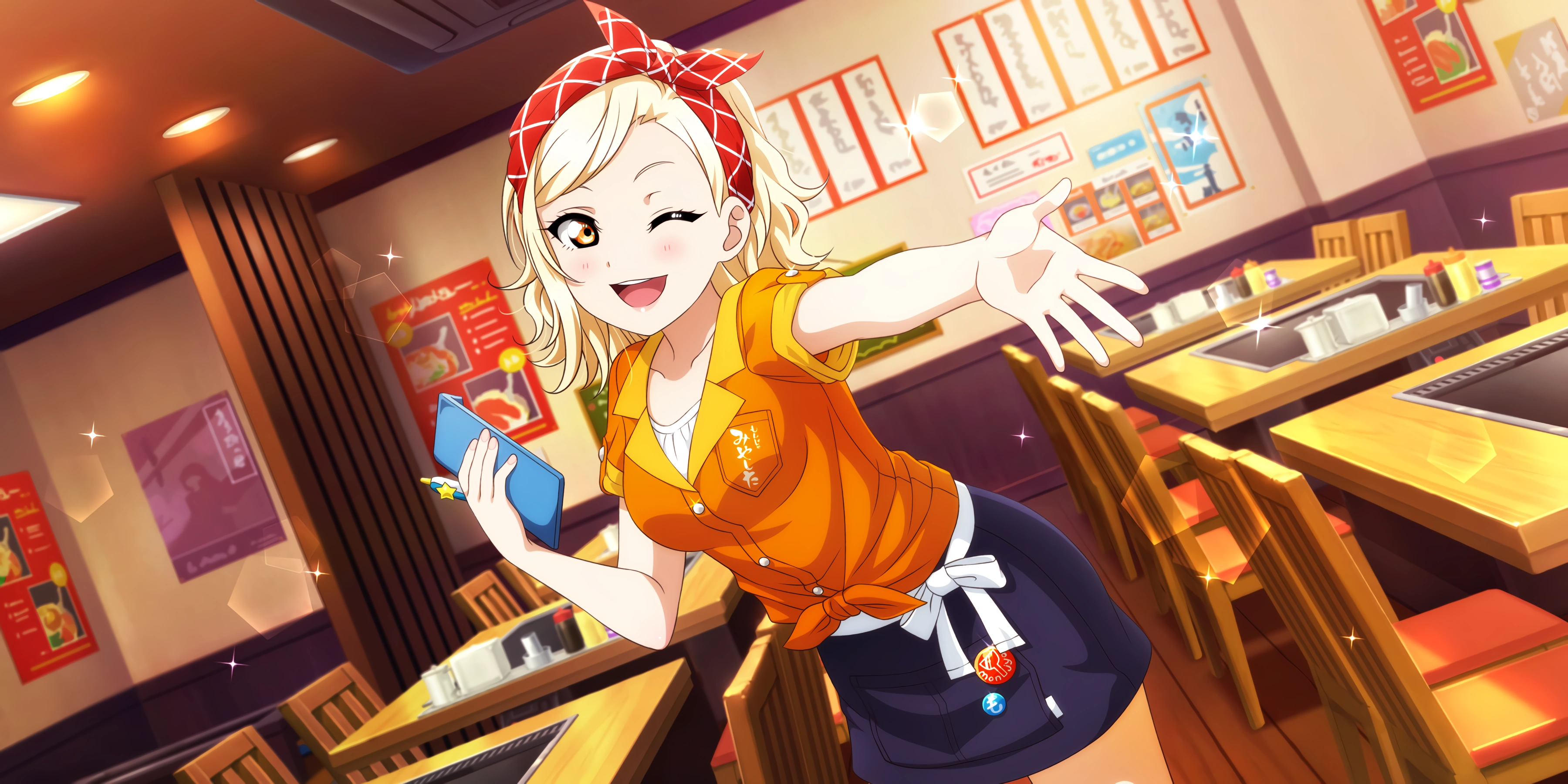
Emma's arc painted her in a manner that no one saw coming. While it was established she was a Swiss transfer student who came to Japan to try to become a school idol, the anime reveals that it was really Karin who helped her achieve that dream, painting both characters in a manner that both the games and previous knowledge never has before. Her insert song reflects her gratitude and grace, while still maintaining the Swiss folk melodies that was present in her original live Evergreen. Rest assured the trend of the Foreign Student lives on in her blood.
Rina's arc quickly captured the hearts of many, including mine, and made her indisputably one of the characters with the most fleshed-out arcs of the entire series, revolving around her inability to express emotions through her face, we follow her as she tries desperately to fit in while also despairing at her lack of emotions. Her insert song's lyrics suggest that while it's not perfect, its the best she can do so far and she wishes to keep on connecting until she can truly smile without her board.
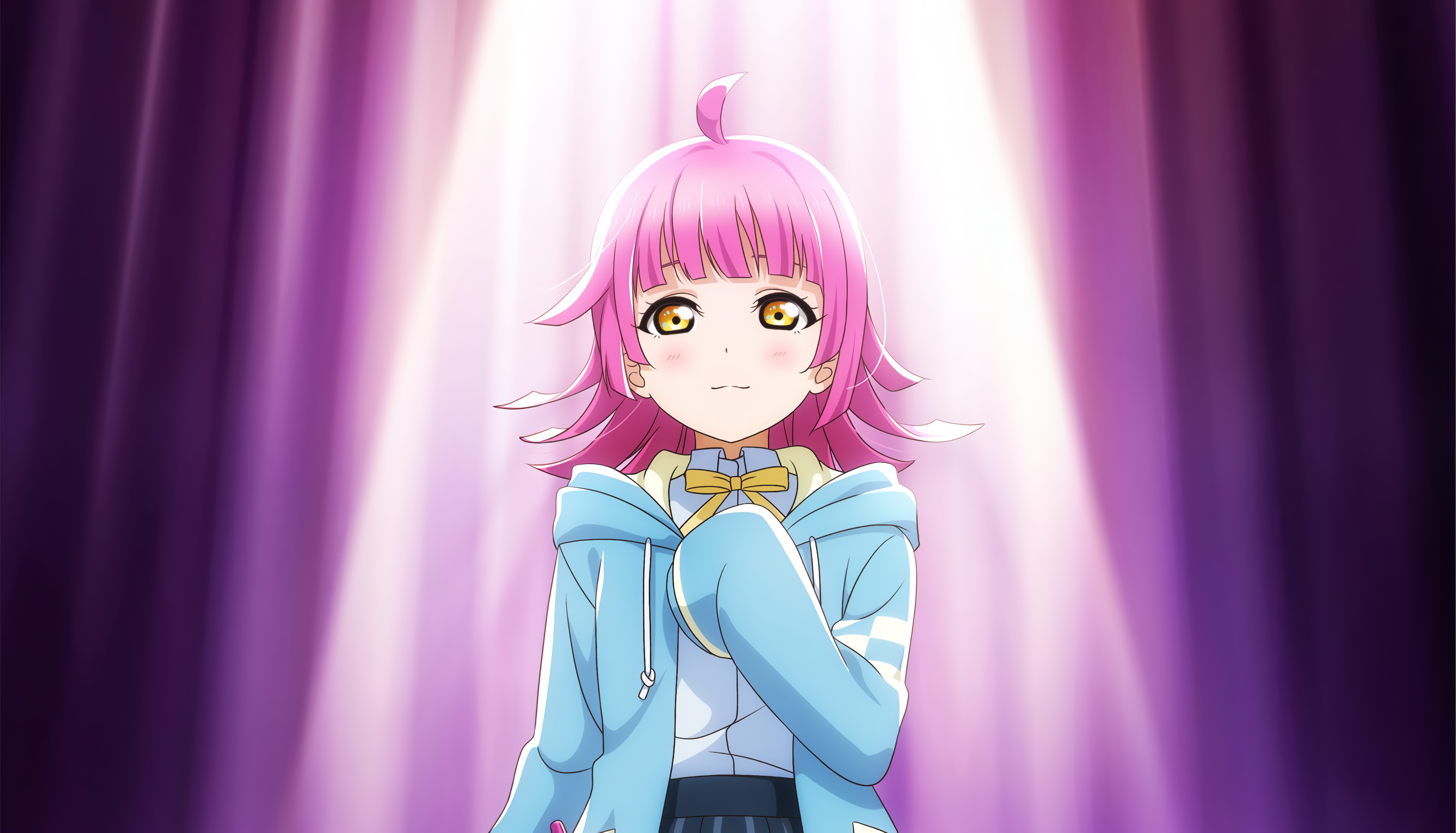
Kanata's arc, like some of the other arcs mentioned so far, had many of us on our heels. It was known that Kanata's signature quirk was her tendency to sleep. The anime not only provided us an explanation for her quirk, but also shaped it into an immersive character arc that left many fans seeing Kanata in a completely new light. Thank you Haruka, you've made your big sister proud.

Shizuku's arc raised her status within the community's perception of the school idols. Many people thought that she was often extremely flat since her entire personality revolves her being a literal drama queen and nothing else. However, the anime adds a layer of complexity to her passion, painting her reluctance to perform due to stage fright as a split persona, and as a musician, I related to her so much. It's no secret that public performance, whether it be public speaking or a public display of talent has been ranked more feared than death, and seeing Shizuku overpower a force that once held me back is not only resolving but also strengthened her persona to the point in which many members of the Love Live fandom instantly respected her after her arc.

Last but not least, we have fashionista Karin. Often painted for her picture of perfection (literally since she's a model). In the games she was indeed a seemingly perfect person, with no evidence of flaws, otherwise an inhuman being. But the anime decided to give her flaws, drawing her persona more down-to-earth. Painting the conflict that rises between your outer and inner self. Now she's not only revered for her over 9000 Ara Ara vibes, but also her uncanny inability to navigate.
 Dear god she reminds me of Leon from Pokemon so much
Music and Art
Love Live once again outdid themselves in this category. Each and every insert song was so vibrant in color and sound that it was a spectacular outburst of passion. While the actual art style feels like it simplified since Sunshine, it was painted with much more vibrant colors, once again reinforcing the fact that Nijigasaki sings in all the colors of a rainbow. As for the music itself, it has certainly become a lot more immersive. Each insert song attuned to the character's individual personalities. Smooth and melodic for Ayumu, Swing and upbeat for Kasumi, Intense and fiery for Setsuna, A Blast of Electric guitars for Ai, Traditional Swiss for Emma, Electronic for Rina, Sleepy and Soothing for Kanata, Orchestral for Shizuku, and Techno and beat-heavy for Karin. Each insert song played a key role in establishing each Idol's individuality and did so expertly
Overall, this Love Live has to be the best iteration I've seen so far, its plot is lined with detail and its originality is through the roof, each character received substantial development compared to its predecessor and I can't wait for Shioriko's inevitable entry into the series.
18 out of 19 users liked this review
