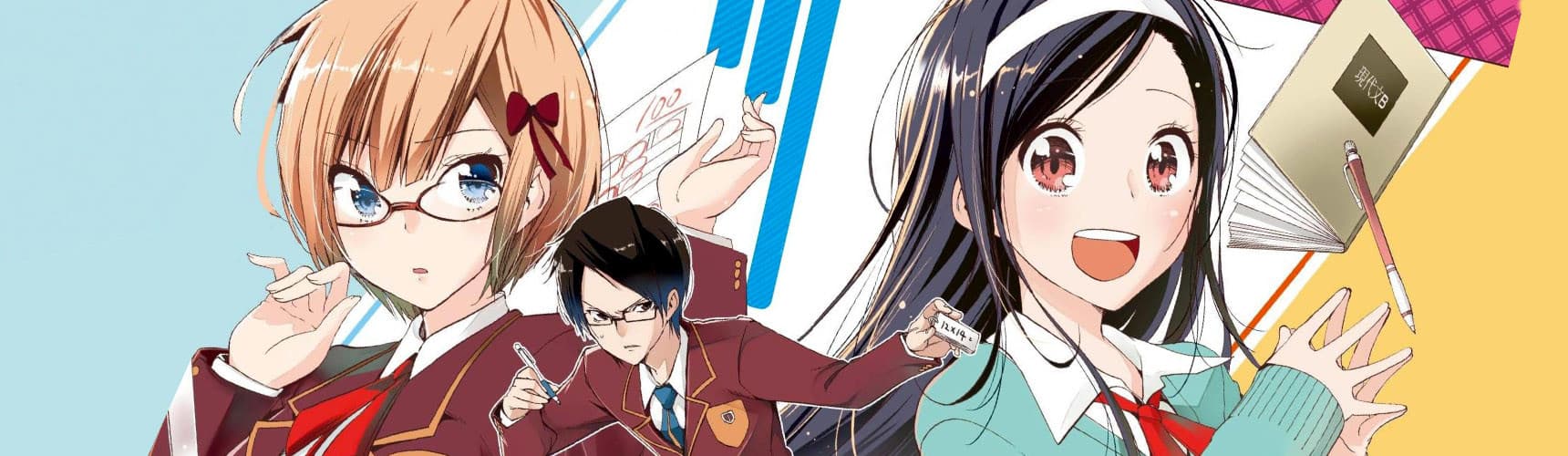
We Never Learn
a review by NapoJ
a review by NapoJ
La siguiente reseña está en Español e Inglés (traducida con el apoyo de DeepL)
La versión leída es la traducción al español por Bergory perteneciente a “Scan Eternal Life”
Recuerdo que una vez finalizó Bokuben, varios vaticinaban que estaba destinado a ser una obra “histórica”, no por su calidad narrativa o dibujo, sino por utilizar una técnica frecuente en otros medios, e innegablemente, aunque lo histórico aún queda por ser demostrado, si ha mantenido en vigencia es por su final, o mejor, finales.
La elección de Taishi-sensei “decide tú el final que quieras” fue el mejor desenlace que podía conseguir, una decisión que disfruté y sigo recordando. E irónicamente se debe a la blandengue estructura de la historia, recuerdo que en su momento leí “Bokuben parece diseñada como si fuera una Novela Visual”y pensando en tal afirmación, tiene toda la razón.
Desde el comienzo no hay una visión global del mensaje que piensa transmitir Taishi a partir de una historia única. Cuenta con la temática global “Esfuerzo”, de la que se originan diferentes vertientes: vivir la juventud, la perseverancia para conseguir el aspirado futuro o sencillamente reconocer quién eres y qué quieres mejorar. Cada una es demostrada de diferentes maneras a lo largo de la historia, más están desunidas de la elección inherente al romcom harem ¿Quién será la chica seleccionada? Sin embargo, el final múltiple lo soluciona de un plumazo, no tendremos una reflexión temática principal, tendremos cinco.

La historia de Uruka es sobre vivir sin arrepentimientos, Ogata es que podemos cambiar lo que nos desagrada de nosotros mismos, Fumino es sobre ser sincero con nuestros sentimientos, Asumi el cómo no hay que desmeritar el futuro, y Mafuyu que nunca es tarde para perseguir nuestros sueños.
Cada chica está caracterizada dentro de su arquetipo, con su reconocible personalidad y definido dilema, más la fusión de ambos factores logran que se destaquen entre similares de otras obras. Al no ser personajes tridimensionales, la historia se permite ser simple, lo cuál está apoyado en la simpleza de los sucesos, sea el malentendido semanal con la típica caída de roce involuntario, o estar en el lugar incorrecto para ver algo que no debería, como las tramas más elaboradas aunque reconocibles si estás familiarizado con el género.
Y que haya mantenido un nivel sencillo y funcional permitió que cada chica sea memorable. El lector tendrá su preferencia una sobre la otra, más ninguna está demás ni se siente agregada sólo por el bien de hacerlo, sus diferentes personalidades inmiscuidas en su arquetipo les dotan de funcionalidad y encanto. No se sabotean entre ellas, tienen divertidas interacciones entre las mismas y todas cuentan con sus “personajes secundarios”, reafirmando los pequeños microuniversos a los que pertenece cada una, consolidando que sean personajes en vez de “opciones”.

Las mismas reglas se aplican a Nariyuki siendo un protagonista de carácter inspirador para las chicas, que por medio de su dedicación, ingenuidad e inocencia consigue hacer mella en la personalidad de cada una y alentarlas a convertirse en la mejor versión de sí mismas. Sin olvidarnos de su evolución en según qué etapas viéndose inspirado por sus compañeras, es una bonita relación recíproca.
Dado el carácter general más no específico de la narrativa, permitió que la elección de finales fuera funcional, ninguna enseñanza temática es omitida o contrariada, porque todas parten desde el valor del esfuerzo, ya independientemente se dan las últimas lecciones que sólo cada quién era capaz de demostrar. Pueden ser de consistencia variable dependiendo del criterio del lector y tener preferencia alguna sobre la otra, personalmente, mis favoritas son acorde al orden de publicación (de menor a mayor), eso sí, considero que todas recibieron el espacio que se merecían.
Y también está relacionado con la comparación con una Novela Visual. Leyendo sus finales en orden de publicación (y si has leído alguna Novela romántica de elecciones) notarás cómo cada cuál “complementa” a su predecesora, se aleja un poco más en el tiempo volviendo el “panorama” más robusto, hasta que el última final de la última viñeta enlaza toda la experiencia.

A nivel artístico Taishi brinda lo que debía, cada diseño de personaje calza perfectamente y son agradables, diferentes y recordables. Su sentido de la composición es similar a cualquier otra romcom, complementado con varias divertidas reacciones, y por supuesto, en los dibujos donde debe exhibir sus habilidades “anatómicas”, lo realiza perfectamente. No puedo despedir la reseña sin invitarlos a ver su canal de Youtube, tiene varios vídeos realizando ilustraciones de la serie, son relajantes y si eres artista aprenderás un par de cosas.
Bokuben es simple en su ejecución y básica en sus formas, y ahí en la cuidada convergencia de sus simples elementos lo que la dota de identidad para volverla única. No se toma en serio a sí misma respecto a sus sucesos, incluso tiene viajes en el tiempo o fantasmas, porque la invitación no es pensarlo concienzudamente, sino disfrutar por donde nos lleva, con sus encantadores personajes y simples situaciones, junto a alguna que otra donde podremos identificarnos, para llegar a su mensaje de esforzarse, porque la juventud, es irrepetible.
__
English__
I remember that once Bokuben was finished, several people predicted that it was destined to be a "historical" work, not for its narrative or drawing quality, but for using a technique frequently used in other media, and undeniably, although the historical aspect has yet to be demonstrated, if it has remained in force it is because of its ending, or rather, endings.
Taishi-sensei's choice of "you decide the ending you want" was the best ending he could get, a choice I enjoyed and still remember. And ironically it's due to the story's soft structure, I remember at the time I read "Bokuben seems to be designed as if it were a Visual Novel" and thinking about that statement, you're absolutely right.
From the beginning there is no global vision of the message that Taishi intends to convey from a single story. It has the overarching theme of "Effort," from which different strands originate: living your youth, perseverance to achieve your aspired future, or simply recognizing who you are and what you want to improve. Each is demonstrated in different ways throughout the story, yet they are disjointed from the choice inherent in the romcom harem: Who will be the girl selected? However, the multiple ending solves this in one fell swoop, we won't have one main thematic reflection, we'll have five.

Uruka's story is about living without regrets, Ogata is that we can change what we dislike about ourselves, Fumino is about being honest with our feelings, Asumi is about how we should not belittle the future, and Mafuyu that it is never too late to pursue our dreams.
Each girl is characterized within her archetype, with her recognizable personality and definite dilemma, plus the fusion of both factors makes them stand out from the likes of other works. By not being three-dimensional characters, the story is allowed to be simple, which is supported by the simplicity of the events, be it the weekly misunderstanding with the typical unintentional brush fall, or being in the wrong place to see something you shouldn't, as well as the more elaborate yet recognizable plots if you are familiar with the genre.
And that he kept it simple and functional allowed each girl to be memorable. The reader will have their preference one over the other, but neither is overdone or feels added just for the sake of doing so, their different personalities immersed in their archetype endowing them with functionality and charm. They don't sabotage each other, they have fun interactions with each other and they all have their "secondary characters", reaffirming the small micro-universes to which each one belongs, consolidating them as characters instead of "options".

The same rules apply to Nariyuki being an inspirational character protagonist for the girls, who through his dedication, naivety and innocence manages to make a dent in the personality of each one and encourage them to become the best version of themselves. Not to mention his evolution at certain stages, being inspired by his companions, is a nice reciprocal relationship.
Given the general rather than specific character of the narrative, it allowed the choice of endings to be functional, no thematic teaching is omitted or contradicted, because they all start from the value of the effort, and independently give the last lessons that only each one was able to demonstrate. They can be of variable consistency depending on the reader's criterion and have preference some over others, personally, my favorites are according to the order of publication (from lowest to highest), but I consider that all of them received the space they deserved.
And it is also related to the comparison with a Visual Novel. Reading their endings in order of publication (and if you've read any of the election romance novels) you'll notice how each one "complements" its predecessor, moves a little further in time making the "picture" more robust, until the last ending of the last vignette ties the whole experience together.

On an artistic level Taishi delivers what he should, each character design fits perfectly and they are pleasing, different and memorable. His sense of composition is similar to any other romcom, complemented with several amusing reactions, and of course, in the drawings where he must show off his "anatomical" skills, he does it perfectly. I can not dismiss the review without inviting you to watch her Youtube channel, she has several videos making illustrations of the series, they are relaxing and if you are an artist you will learn a thing or two.
Bokuben is simple in its execution and basic in its forms, and it is in the careful convergence of its simple elements that gives it the identity to make it unique. It does not take itself seriously regarding its events, it even has time travel or ghosts, because the invitation is not to think about it conscientiously, but to enjoy where it takes us, with its charming characters and simple situations, along with some other where we can identify ourselves, to get to its message of striving, because youth is unrepeatable.
5 out of 5 users liked this review
