Takemitsu Zamurai
a review by NapoJ
a review by NapoJ
La siguiente reseña está en Español e Inglés (traducida con el apoyo de DeepL)
La versión leída es la traducción al inglés por Hox
El “realismo mágico” es un concepto utilizado para la descripción de un movimiento literario enfocado en mostrar lo extraño o fantástico como algo cotidiano, se diferencia de similares en que su trama e ideas están arraigadas en lo real a excepción de ese hecho particular que puede ser o no recurrente. En está obra de Issei y Matsumoto se presenta esa situación, aunque bien podría tener otra forma de referirse al mismo más apropiado de su contexto y medio; es un manga “histórico”, en el sentido de ambientarse en época y ser fiel a ese período de sucesos, con elementos fantástico introducidos en su sobria narración por lo que no hay razón para renegar de los mismos, suceden junto a lo demás.
La ambientación, tonalidad, personajes y el cómo se relacionan, se enmarcan en el Japón premoderno, pero uno particularmente especial, si bien congenia con la época del fin de los samuráis, prefiero encajarlo junto al fin de la época mágica en transición a la edad moderna. Donde surgen las últimas leyendas y anécdotas fantásticas porque conforme ocurre la narrativa, son cada vez más escasas, los viejos retazos de un mundo pasado.
La historia es un planteamiento simple que cobra interés mientras más sabemos del mismo, que se apoya en la atmósfera que construye con los personajes conforme los introduce, de pocas palabras, pero significativos momentos. No es una experiencia de amplias y diferentes temáticas generales, sino que se enfoca en los personajes que la habitan.

Es un compendio excéntrico, que permite presentar diferentes formas de pensamientos y perspectivas sobre cómo vivir. El protagonista es el más misterioso, en el transcurso iremos entendiendo más sus motivos, además de conocer nuevas dimensiones conforme las presenta en cada historia, cada encuentro.
Sin embargo, considero que esa misma ambigüedad le juega un poco en contra, pese a todas las preguntas que propone siento que podría haber llevado un paso más allá sus vinculaciones, apoyado en un mundo en el que sus historias secundarias hubiese construido algo más sólido y portentoso. Que algunas queden meramente en fábula puede gustar o desagradar a algunos, en mi caso tengo ganas de más, aunque considero que mi apreciación sobre las mismas pueden ir mejorando con el tiempo.
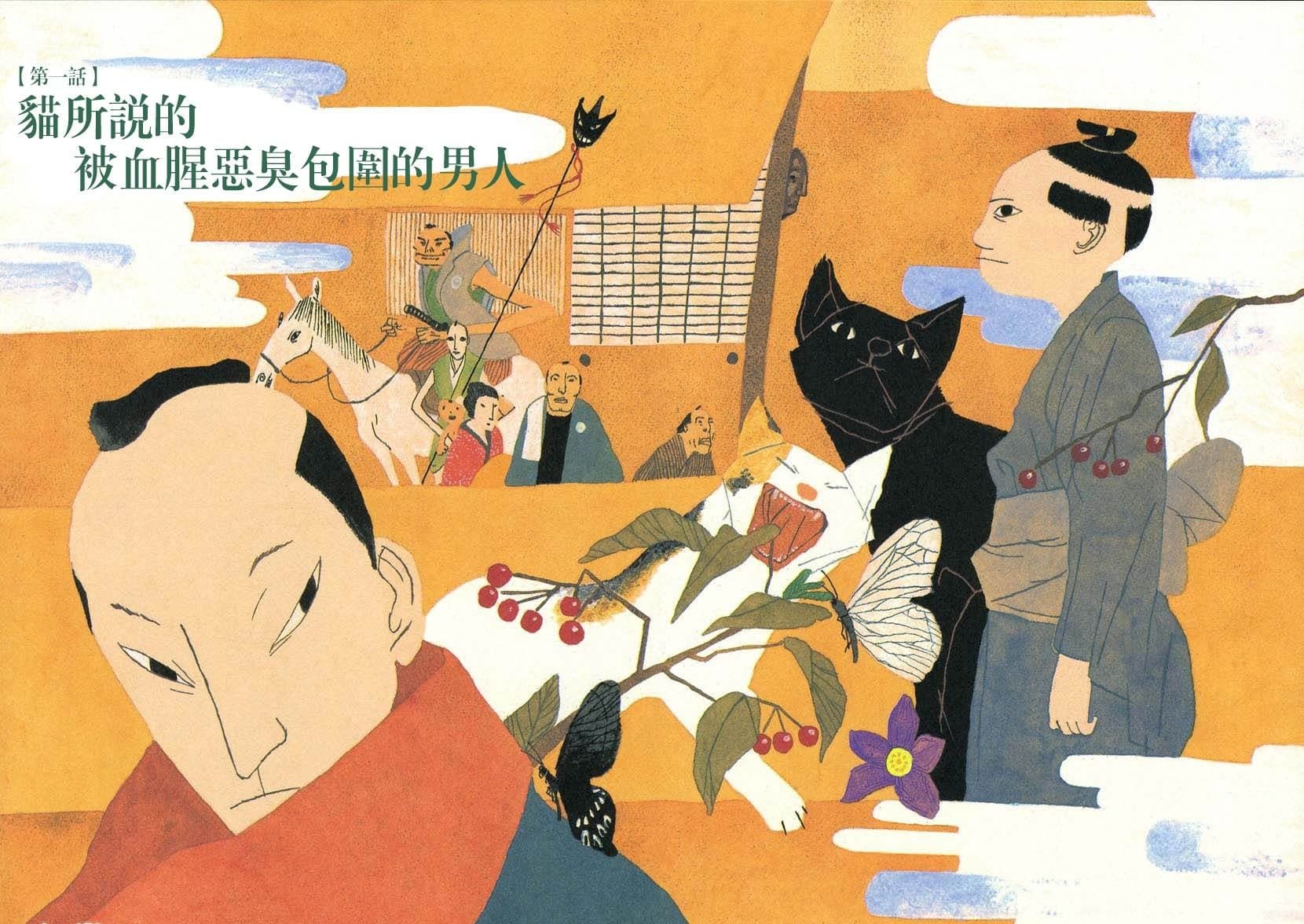
El estilo artístico es su principal característica, crédito de Taiyou Matsumoto, evocando un estilo “Ukiyo-e”, tiene trazos aparentemente simples con vitalidad y capacidad para el detalle. Una vez se acostumbra el lector, en el transcurso se le compensa a través de un estilo que evoluciona, cambia, se fortalece, hasta finalmente ser, una presentación intachable.

Capta perfectamente las esencias de la historia en el modo en cómo administra pasivamente su ritmo y revelaciones, sea por medio de escenas de evocación, paisajes, peleas, la transición de lo cotidiano y lo fantástico, con remarcables composiciones en cada panel. Dota cierto sentido de espiritualidad y lección a su historia de redención y perdón.
Es una historia corta, de esas que se quedan durante mucho tiempo, de regresar de tanto en tanto para sentirse a gusto y descubrir nuevos detalles o contextualizar más sus mensajes, sumergirse en su mundo de mundana fantasía.
English
"Magical realism” is a concept used to describe a literary movement focused on showing the strange or fantastic as something everyday, it differs from similar ones in that its plot and ideas are rooted in reality except for that particular fact that may or may not be recurrent. In this work by Issei and Matsumoto this situation is presented, although it could well have another way of referring to it more appropriate to its context and medium; it is a “historical” manga, in the sense of being set in the period and being faithful to that period of events, with fantastic elements introduced in its sober narration so there is no reason to deny them, they happen along with the rest.
The setting, tone, characters and how they relate, are framed in pre-modern Japan, but a particularly special one, although it fits with the time of the end of the samurai, I prefer to fit it next to the end of the magical era in transition to the modern age. Where the last legends and fantastic anecdotes emerge, because as the narrative progresses, they are increasingly scarce, the old remnants of a bygone world.
The story is a simple approach that becomes more interesting the more we learn about it, supported by the atmosphere it builds with the characters as it introduces them, with few words, but significant moments. It's not an experience of broad and different general themes, but focuses on the characters that inhabit it.

It's an eccentric compendium, presenting different ways of thinking and perspectives on how to live. The protagonist is the most mysterious, in the course we will understand more about his motives, besides knowing new dimensions as he presents them in each story, each encounter.
However, I consider that this same ambiguity plays a little against it, despite all the questions it proposes, I feel that it could have taken its links a step further, supported by a world in which its secondary stories would have built something more solid and portentous. That some of them remain merely in fable may please or displease some, in my case I'm looking forward to more, although I consider that my appreciation of them can be improved over time.
The artistic style is its main characteristic, a credit to Taiyou Matsumoto, evoking an “Ukiyo-e” style, it has apparently simple strokes with vitality and capacity for detail. Once the reader gets used to it, he is compensated along the way through a style that evolves, changes, strengthens, and finally becomes a flawless presentation.

He perfectly captures the essence of the story in the way he passively manages its rhythm and revelations, be it through evocative scenes, landscapes, fights, the transition from the everyday to the fantastic, with remarkable compositions in each panel. It gives a certain sense of spirituality and lesson to his story of redemption and forgiveness.
It's a short story, one of those that stay for a long time, to return from time to time to feel at ease and discover new details or to contextualize its messages more, to immerse oneself in its world of mundane fantasy.
5 out of 6 users liked this review
